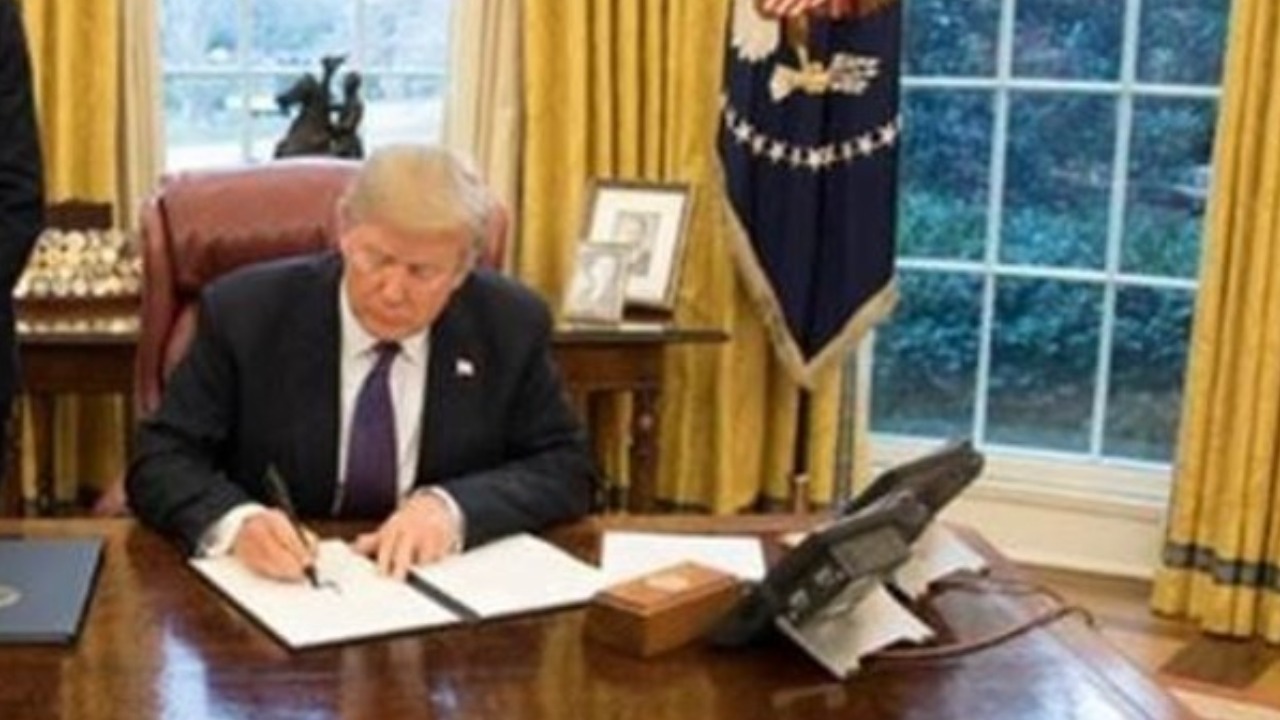
President Donald Trump has introduced a bold proposal to provide $2,000 stimulus checks to low- and middle-income Americans, funded by revenues from new tariffs. This initiative, part of a broader economic policy strategy, aims to ease financial pressures on households by distributing what Trump describes as “tariff dividends.” Scott Bessent, Trump’s nominee for Treasury Secretary, recently provided an update on this plan, emphasizing its reliance on tariff collections to fund the payments.
Trump’s Tariff-Funded Stimulus Proposal
At the heart of President Trump’s proposal is the issuance of $2,000 stimulus checks, which are intended to serve as a rebate from tariffs imposed on imports. This plan positions the payments as dividends for American citizens, specifically targeting low- and middle-income households. The goal is to alleviate economic pressures by redistributing tariff revenues directly to the public. The proposal emerged in mid-November 2025, as part of a series of economic policy announcements aimed at bolstering the domestic economy.
The concept of using tariff revenues to fund stimulus payments is innovative, as it seeks to leverage international trade policies to benefit domestic economic conditions. By framing the $2,000 payments as dividends, the administration aims to provide a direct financial benefit to Americans, potentially boosting consumer spending and economic activity. This approach also reflects a shift in how tariff revenues are utilized, moving from government coffers to individual pockets.
Update from Key Administration Figures
Scott Bessent, nominated as Treasury Secretary, has played a pivotal role in updating the public on the progress of Trump’s stimulus check proposal. On November 10, 2025, Bessent confirmed that the funding mechanism for the $2,000 checks would indeed be derived from tariff revenues. This confirmation underscores the administration’s commitment to using trade policy as a tool for economic relief, aligning with Trump’s vision of broad distribution to qualifying Americans.
Bessent’s statements have clarified that the $2,000 checks are intended as a direct benefit from tariff collections, without deviating from the proposal’s focus on immediate economic relief. This update has provided reassurance to those anticipating the stimulus payments, as it aligns with the administration’s broader economic strategy. Additionally, Bessent has addressed eligibility criteria, ensuring that the distribution aligns with Trump’s goal of reaching low- and middle-income households.
Expert Analysis of the Plan
Experts have weighed in on the feasibility and potential impact of Trump’s $2,000 tariff-funded dividend. Analysts have examined the revenue projections and economic viability of the plan, noting both its potential benefits and challenges. The proposal’s reliance on tariff revenues raises questions about the sustainability of funding and the broader economic implications of increased tariffs on imports.
Under the tariff revenue proposal, qualifications for the stimulus checks are designed to target low- and middle-income Americans. This focus aims to ensure that the financial assistance reaches those most in need, potentially enhancing the plan’s effectiveness in stimulating economic activity. However, experts have also highlighted concerns about the proposal’s structure, particularly regarding how tariff collections would finance the payments without relying on traditional stimulus budgets.
Unintended Consequences and Challenges
While the $2,000 tariff stimulus check proposal offers potential benefits, it also carries the risk of unintended consequences. Analysts have warned of possible economic risks, such as inflationary pressures or trade disruptions resulting from the tariffs used to fund the checks. These concerns highlight the complexity of using trade policy as a tool for domestic economic relief.
There are ongoing questions about the feasibility of implementing the $2,000 stimulus checks, including potential legislative hurdles. As of November 17, 2025, updates indicate that while the proposal has garnered attention, its implementation may face challenges in Congress. The debate over the plan’s viability underscores the broader discussion about the role of tariffs in economic policy and their impact on both domestic and international markets.
In conclusion, President Trump’s proposal to fund $2,000 stimulus checks through tariff revenues represents a novel approach to economic relief. While the plan offers potential benefits for low- and middle-income Americans, it also presents challenges that require careful consideration. As the proposal moves forward, its impact on the economy and its reception by policymakers will be closely watched.
More From TheDailyOverview
- Dave Ramsey warns to stop 401(k) contributions
- 11 night jobs you can do from home (not exciting but steady)
- Small U.S. cities ready to boom next
- 19 things boomers should never sell no matter what

Grant Mercer covers market dynamics, business trends, and the economic forces driving growth across industries. His analysis connects macro movements with real-world implications for investors, entrepreneurs, and professionals. Through his work at The Daily Overview, Grant helps readers understand how markets function and where opportunities may emerge.

