Donald Trump is now urging Congress to make public the government’s Jeffrey Epstein records, insisting he has “nothing to hide” after previously signaling resistance to a broad release. His shift turns a long‑running political liability into a test of transparency, and it raises fresh questions about how much control any president truly has over a scandal that spans administrations, parties, and powerful institutions.
I see Trump’s new posture as both a tactical move and a revealing moment: by inviting disclosure, he is betting that the files will damage his opponents more than him, even as the public appetite for answers about Epstein’s network has only intensified.
The public pivot: from caution to full-throated support
Trump’s latest comments mark a clear break from his earlier caution around the Epstein records, when allies framed broad disclosure as a potential threat to national security and ongoing investigations. In recent days he has instead leaned into the language of openness, telling reporters and supporters that he wants the files out and that he personally is not worried about what they might show. In one televised exchange, he framed the controversy as overblown and cast himself as a target of political smears rather than a subject of legitimate scrutiny, a message that echoed through a widely shared video clip of his remarks.
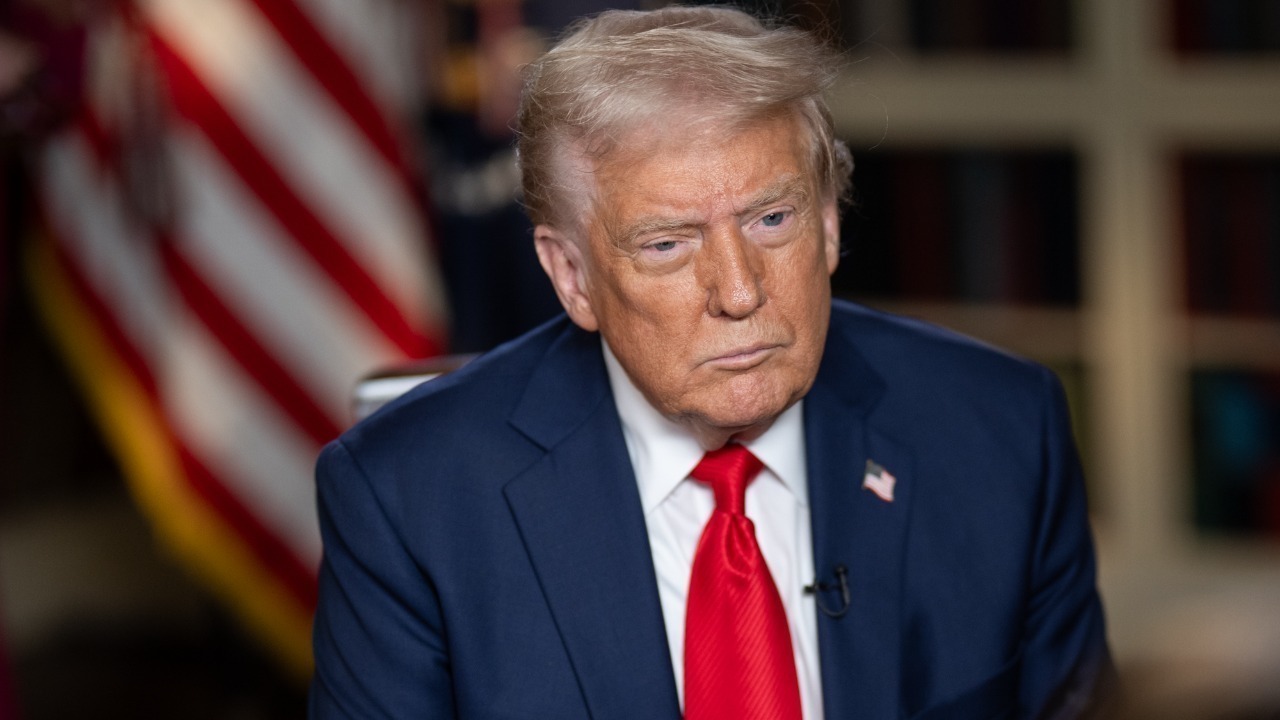
The tonal shift has been especially visible in mainstream interviews, where Trump has now said on camera that he favors releasing the Epstein material and that the government should move quickly. In one segment, he reversed his earlier stance and told a national audience that “we have nothing to hide,” a formulation that underscored how he is now speaking not only for himself but for his administration as it faces pressure over what the files might contain. That reversal was captured in a detailed broadcast interview that highlighted how sharply his tone has changed.
Pressure on House Republicans and the politics of transparency
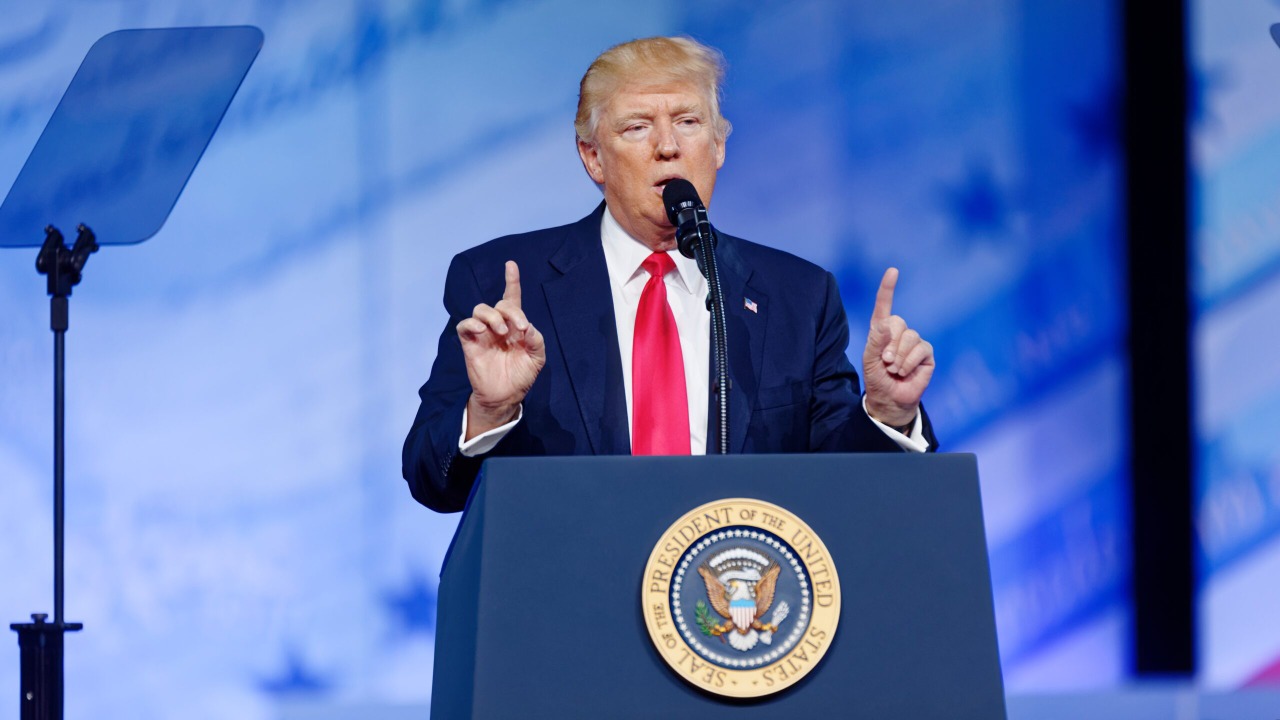
Trump’s rhetorical pivot is not just personal, it is also a directive to his party. He has publicly called on House Republicans to vote in favor of releasing the Epstein files, turning what could have been an internal debate into a loyalty test that aligns transparency with support for the president. By framing the vote as a straightforward choice between openness and what he describes as partisan obstruction, he is trying to lock in his party’s position before any damaging details emerge. That strategy was evident when he urged lawmakers to back a disclosure measure in comments that were later summarized in a detailed account of his appeal to House Republicans.
In practice, this puts Republican leaders in a tight spot: many have long demanded more information about Epstein and his associates, but they also know that a full release could implicate figures across the political spectrum, including donors and allies. Trump’s insistence that the party “has nothing to hide” is meant to reassure them, yet it also raises the stakes if any names close to his orbit appear in the documents. That tension was visible in a recent televised discussion where his allies praised the call for transparency while quietly acknowledging that the political fallout is impossible to predict.
“Nothing to hide” as a message to voters at home and abroad
Trump’s new line is calibrated for a global audience as much as a domestic one, since Epstein’s network and the questions around it have drawn intense interest in Europe and beyond. When he told reporters that he backs the release of the files and repeated that he has “nothing to hide,” he was speaking in a media environment where foreign outlets have tracked his relationship with Epstein and the broader scandal for years. That framing, presented in coverage of his latest comments on the records, was captured in a detailed report on his support for making the files public.
For voters, the phrase “nothing to hide” is doing double duty: it is both a denial of personal wrongdoing and a promise that his administration will not stand in the way of disclosure. Trump has leaned on that language in local interviews as well, including a segment with a regional station where he repeated that he welcomes a vote to release the records and brushed off suggestions that he might be exposed by them. That posture, and the way it played with viewers outside Washington, was evident in a local television interview that amplified his message to a broader audience.
Framing the controversy as a partisan “hoax”
Even as he calls for the files to be released, Trump is working to define the narrative around them before any new information becomes public. He has repeatedly described the uproar over his past proximity to Epstein as a political hit job, accusing Democrats of weaponizing the scandal to damage his presidency. By labeling the controversy a “Democrat hoax,” he is trying to fold the Epstein story into the same pattern of grievance he has used against other investigations, from impeachment to criminal probes. That framing was laid out in detail in a recent analysis of his latest U-turn on the records.
Trump’s argument is that a full release will vindicate him and expose his critics, not the other way around. He has suggested that prominent Democrats and establishment figures have more to fear from the files than he does, and he has cast himself as the one pushing for sunlight while his opponents supposedly stall. That claim, and his use of the word “hoax” to describe the allegations swirling around him, was echoed in international coverage that noted how he is trying to turn a potential vulnerability into an offensive weapon. One detailed report on his remarks highlighted his insistence that the real story lies with his political rivals.
What the pivot reveals about Trump’s governing style
Trump’s sudden embrace of disclosure fits a familiar pattern in his political life: when boxed in by controversy, he often shifts from resistance to aggressive openness, betting that boldness will blunt criticism. In the Epstein case, that means moving from guarded language about sensitive investigations to a sweeping call for transparency, even if the government is not yet ready to release everything. The speed of that shift, and the way he presented it as a simple matter of having “nothing to hide,” was on display in a recent national television appearance where he brushed aside concerns about the potential fallout.
That governing style also relies heavily on direct communication with voters, often through interviews that bypass traditional gatekeepers and give him room to repeat his preferred talking points. In one such appearance, he again urged Congress to move ahead with a vote on the Epstein files and framed the decision as a test of who really supports transparency in Washington. His comments, delivered shortly before lawmakers were expected to consider the issue, were captured in a detailed segment on the upcoming vote that underscored how he is trying to shape the outcome in real time.
More From TheDailyOverview
- Dave Ramsey warns to stop 401(k) contributions
- 11 night jobs you can do from home (not exciting but steady)
- Small U.S. cities ready to boom next
- 19 things boomers should never sell no matter what

Grant Mercer covers market dynamics, business trends, and the economic forces driving growth across industries. His analysis connects macro movements with real-world implications for investors, entrepreneurs, and professionals. Through his work at The Daily Overview, Grant helps readers understand how markets function and where opportunities may emerge.