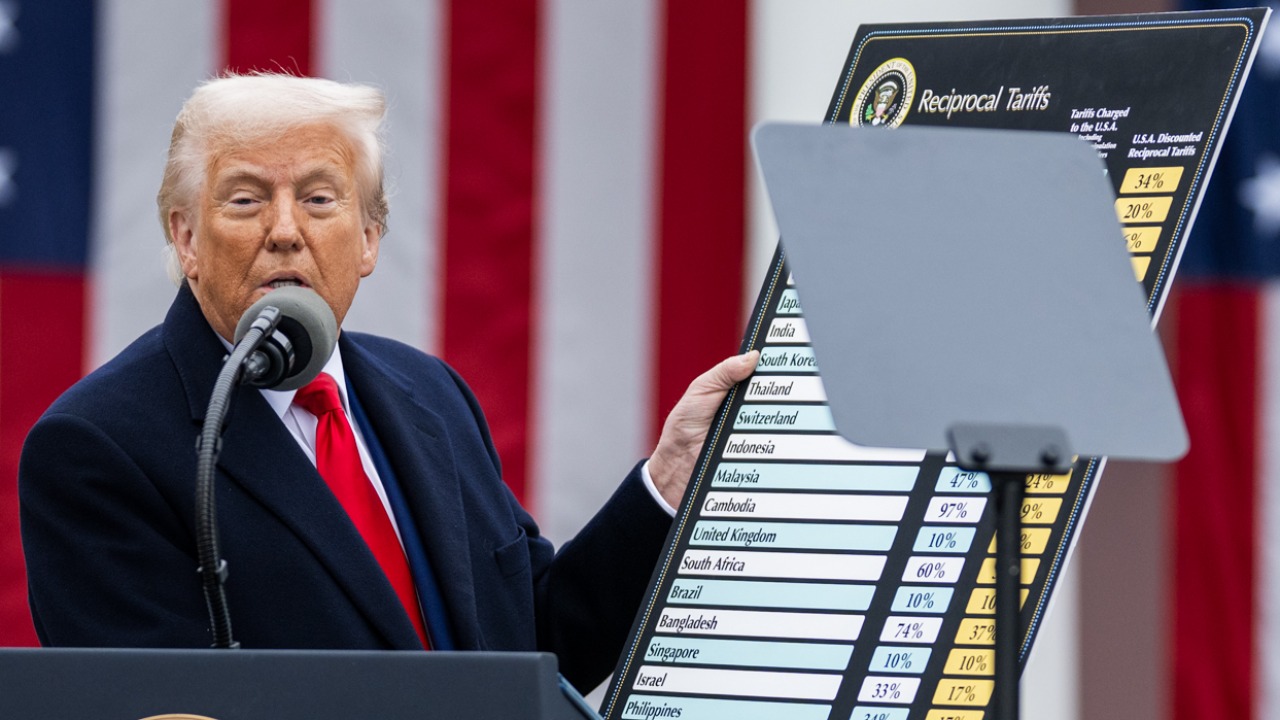
President Donald Trump has announced the imposition of new tariffs on Colombia and the cessation of U.S. aid, escalating a diplomatic feud with Colombian President Gustavo Petro over the drug trade. This development follows U.S. military strikes on alleged drug boats in the Caribbean, which Colombia has strongly opposed. In response to Trump’s tariff threats and remarks on drugs, Colombia has recalled its ambassador to the United States. Despite these tensions, both nations have committed to enhancing their anti-drug strategies as of October 21, 2025.
Origins of the Trump-Petro Feud
The conflict between President Trump and President Petro initially erupted over U.S. military actions targeting alleged drug trafficking operations in the Caribbean. These strikes, intended to curb the flow of narcotics, were met with strong objections from Colombia, which viewed them as a violation of its sovereignty. This disagreement laid the groundwork for a broader diplomatic rift between the two countries.
President Trump has been vocal in his criticism of President Petro’s approach to managing the drug trade, accusing him of not doing enough to combat the issue. Trump’s public remarks have further inflamed the situation, turning what began as a policy disagreement into a high-profile international dispute. The tension has been exacerbated by differing views on how to effectively cooperate on anti-drug efforts, marking a significant departure from the previously cooperative relationship between the two nations.
The feud has intensified as both leaders have taken increasingly firm stances. Trump’s administration has expressed frustration with what it perceives as Colombia’s inadequate efforts to tackle drug trafficking, while Petro has defended his country’s strategies and sovereignty. This clash has highlighted the challenges in maintaining bilateral relations amid differing priorities and approaches to shared issues.
Trump’s Tariff and Aid Announcements
In a significant escalation of the conflict, President Trump announced on October 20, 2025, his intention to impose new tariffs on Colombian goods. This move is seen as a direct response to the ongoing drug trade conflict and is intended to pressure Colombia into taking more decisive action against drug trafficking. The tariffs are expected to have immediate economic implications, potentially affecting Colombian exports to the United States.
Alongside the tariff announcement, Trump declared a freeze on U.S. aid to Colombia. This decision is positioned as a strategic leverage point in the ongoing feud with President Petro. The aid freeze is likely to impact various sectors within Colombia that rely on U.S. assistance, further straining the country’s resources in its fight against drug trafficking.
The economic measures introduced by Trump are designed to compel Colombia to align more closely with U.S. expectations regarding drug enforcement. However, these actions also risk destabilizing the economic relationship between the two countries, potentially leading to broader regional implications if tensions continue to escalate.
Colombia’s Diplomatic Retaliation
In response to President Trump’s tariff threats and comments on the drug trade, Colombia has taken the significant step of recalling its ambassador to the United States. This decision, made on October 20, 2025, underscores the seriousness with which Colombia views the current diplomatic spat. The recall of the ambassador is a clear signal of Colombia’s dissatisfaction with the U.S. approach and its desire to assert its position on the international stage.
In a reciprocal move, Colombia has also recalled the U.S. ambassador, further escalating the diplomatic tensions between the two nations. This action follows the controversy surrounding the U.S. strikes on alleged drug boats in the Caribbean, which Colombia has vehemently opposed. The recall of ambassadors represents a sharp escalation in the diplomatic conflict, altering the landscape of U.S.-Colombian relations compared to previous engagements.
The diplomatic fallout from these actions highlights the challenges both countries face in navigating their relationship amid significant policy disagreements. The recall of ambassadors is a rare and serious diplomatic maneuver, indicating the depth of the current rift and the potential for further complications if a resolution is not reached.
Path Forward on Anti-Drug Efforts
Despite the ongoing feud, both Colombia and the United States have pledged to improve their anti-drug strategy. This commitment, announced on October 21, 2025, reflects a mutual recognition of the importance of collaboration in addressing the drug trade, even amid heightened tensions. The joint vow to enhance anti-drug efforts suggests a willingness to find common ground and work towards shared goals.
The potential shifts in bilateral cooperation could lead to new strategies and initiatives aimed at more effectively combating drug trafficking. These changes may involve increased intelligence sharing, joint operations, or other collaborative efforts designed to address the root causes of the drug trade. The commitment to improving anti-drug strategies indicates a pragmatic approach to overcoming current obstacles and finding solutions that benefit both nations.
Stakeholders in both countries are closely watching these developments, as the outcomes will have significant implications for Colombian exports and U.S. foreign policy priorities in the region. The economic impact of tariffs and aid freezes, combined with the diplomatic tensions, underscores the complexity of the situation and the need for careful navigation to achieve a sustainable resolution.
For more information on the ongoing developments, you can read about the joint vow to improve anti-drug strategy, Colombia’s recall of its ambassador, and the reciprocal recall of the U.S. ambassador. Additionally, details on Trump’s escalation of the feud and the new tariffs on Colombia provide further context on the situation.

Grant Mercer covers market dynamics, business trends, and the economic forces driving growth across industries. His analysis connects macro movements with real-world implications for investors, entrepreneurs, and professionals. Through his work at The Daily Overview, Grant helps readers understand how markets function and where opportunities may emerge.

