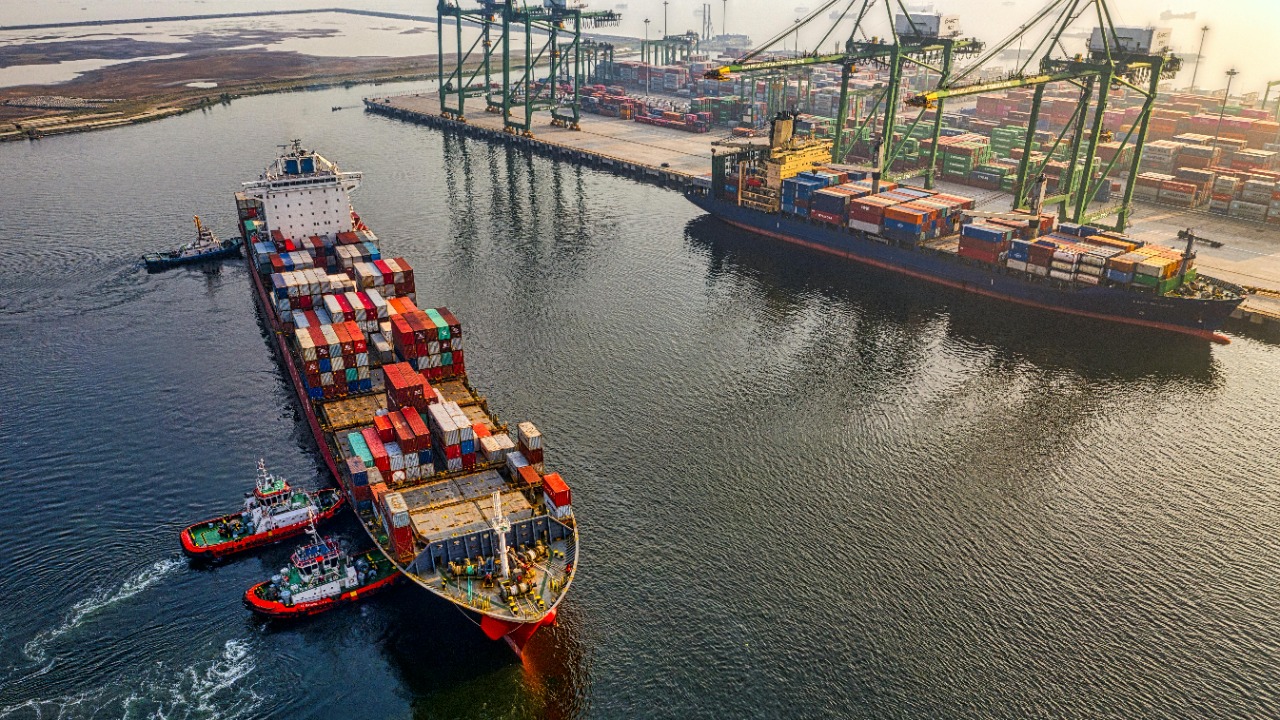
A U.S. freight shipper has been hit with a massive $34 million tariff bill due to the implementation of new port fees under President Trump’s administration. This unexpected financial burden has left the industry in shock, with the CEO of the affected company bluntly stating, “They are showing us the door.” This development highlights the immediate financial strain on American shipping operations as they navigate increasingly stringent trade policies.
New Trump Port Fees Explained
The new Trump port fees, which came into effect in October 2025, represent a significant shift in U.S. trade policy. These fees specifically target incoming shipments to major U.S. ports, imposing a per-container tariff on freight shippers. This approach aims to bolster trade enforcement by making it more costly for foreign goods to enter the U.S. market. The policy’s origins can be traced back to broader goals of protecting domestic industries and reducing trade deficits, aligning with the administration’s ongoing emphasis on economic nationalism.
The fees are applied directly to each container, significantly increasing the cost of importing goods. This mechanism is designed to discourage reliance on foreign imports by making them less economically viable. The rollout of these fees has been swift, catching many in the industry off guard. The policy reflects a broader strategy to prioritize American manufacturing and reduce dependency on international supply chains, a cornerstone of Trump’s economic agenda.
The $34 Million Tariff Bill Impact
The $34 million tariff bill faced by the U.S. freight shipper is a direct consequence of these new port fees. This substantial financial hit was incurred on a single shipment batch, illustrating the severe impact of the policy on individual businesses. The immediate effect has been operational disruptions, with halted imports and increased costs for rerouting shipments to avoid the hefty tariffs. This situation forces companies to make rapid budget reallocations to manage the unexpected expenses.
For the affected shipper, the tariff bill represents a material change in operational costs, necessitating a reevaluation of their business strategies. The financial strain is compounded by the logistical challenges of rerouting shipments, which adds further complexity and expense. As of October 22, 2025, the company is grappling with these challenges, highlighting the broader implications for the U.S. freight industry as it adapts to the new regulatory environment.
CEO’s Reaction to the Fees
The CEO of the affected freight company expressed shock and frustration at the sudden imposition of the port fees, stating, “They are showing us the door.” This quote captures the sense of exclusion and the abrupt nature of the policy’s enforcement. The CEO’s reaction underscores the personal and professional toll of navigating these unexpected regulatory changes, which have significant implications for the company’s future operations.
In response to the fees, the CEO has called for a concerted industry effort to address the challenges posed by the new tariffs. This includes potential legal or lobbying actions to mitigate the impact of the fees and advocate for more favorable trade policies. The CEO’s call to action reflects a broader sentiment within the industry, as companies seek to protect their interests and ensure continued access to key trade routes.
Broader Effects on U.S. Freight Industry
The introduction of the Trump port fees is likely to have a cascading effect on the broader U.S. freight industry. The $34 million case serves as a benchmark for other shippers who may face similar vulnerabilities. The fees could lead to increased costs across the board, prompting companies to reassess their supply chains and explore alternative shipping routes to minimize expenses.
Location-specific challenges are also emerging, with East Coast and West Coast ports experiencing varying degrees of impact. These ports, which handle a significant portion of U.S. imports, are at the forefront of the changes, as they adapt to the new fee structure. The long-term trade implications are significant, with potential shifts in global shipping patterns as companies seek to avoid the increased costs associated with U.S. ports.
Overall, the new port fees represent a pivotal moment for the U.S. freight industry. As companies navigate the complexities of the new regulatory landscape, they must balance the immediate financial pressures with the need to maintain competitive operations. The policy changes underscore the ongoing challenges of global trade and the need for strategic adaptation in an evolving economic environment.
For more details on the impact of the new port fees, you can read the full report on CNBC.
More From TheDailyOverview
- Dave Ramsey warns to stop 401(k) contributions
- 11 night jobs you can do from home (not exciting but steady)
- Small U.S. cities ready to boom next
- 19 things boomers should never sell no matter what

Grant Mercer covers market dynamics, business trends, and the economic forces driving growth across industries. His analysis connects macro movements with real-world implications for investors, entrepreneurs, and professionals. Through his work at The Daily Overview, Grant helps readers understand how markets function and where opportunities may emerge.


