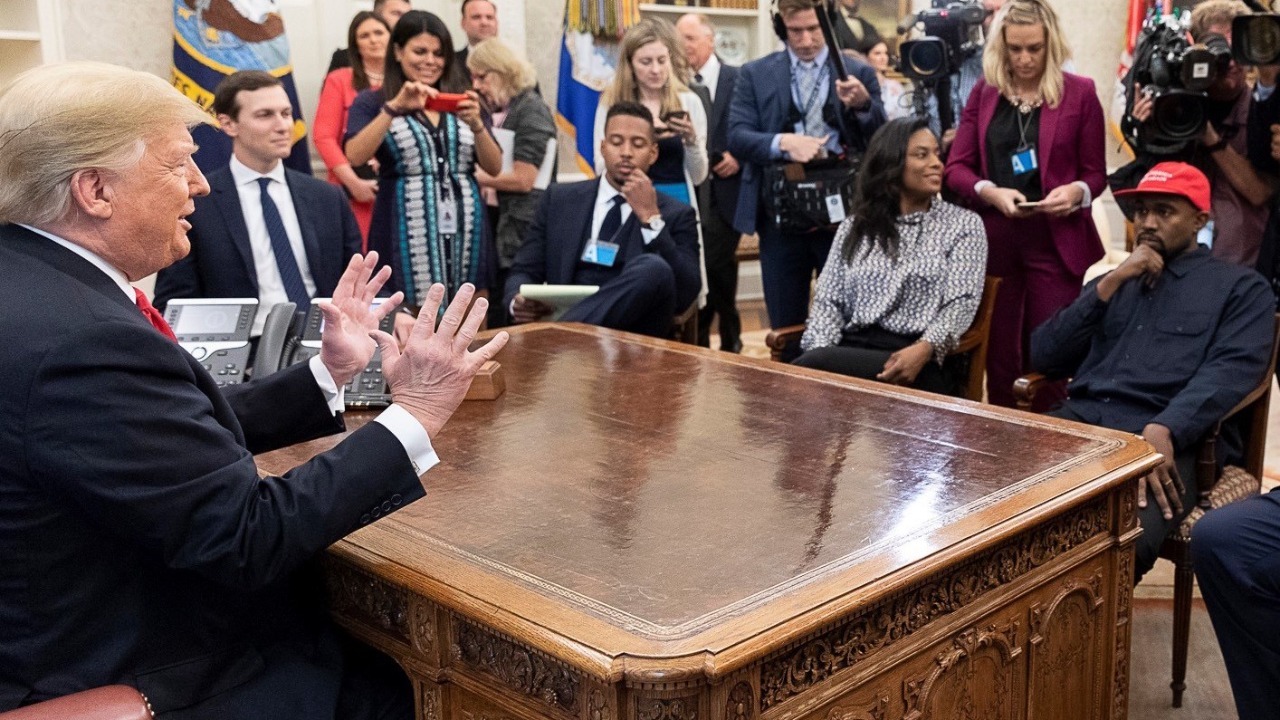
President Donald Trump has recently proposed a plan to distribute $2,000 stimulus checks to Americans, funded by a “tariff dividend” from new tariffs on imports. This proposal, intended as a rebate to mitigate the impact of tariffs on consumers, has sparked significant debate regarding its feasibility and legitimacy. Experts have raised concerns about whether there will be sufficient funds to support these payments, suggesting that the economic calculations may leave “no money leftover” after implementation. While the Trump administration has begun to provide updates on eligibility, the timeline for distribution remains uncertain, hinging on congressional approval.
Trump’s Tariff Dividend Proposal
Donald Trump has introduced the idea of $2,000 tariff rebate checks as a means to directly compensate citizens for the costs associated with his proposed tariffs on foreign goods. The concept involves redistributing revenue generated from these tariffs back to the public in the form of stimulus payments. This approach is designed to counterbalance the economic burden that tariffs might impose on consumers. The proposal emerged in mid-November 2025, amidst discussions of post-election policies, and has been a focal point of Trump’s economic strategy discussions. For more details on this proposal, you can refer to the CNN article.
The idea of a $2,000 tariff dividend is based on the premise that tariffs will generate sufficient revenue to fund these payments. However, experts have warned that the economic math may not support this plan, suggesting that there might be “no money leftover” after accounting for the costs associated with the tariffs themselves. This raises questions about the viability of the proposal and whether it can deliver the promised financial relief to Americans. An AOL expert analysis delves into these concerns, highlighting the potential shortfalls in projected revenue.
Eligibility and Qualification Criteria
Determining who qualifies for the $2,000 stimulus checks is a critical aspect of the Trump administration’s updates. The eligibility criteria focus on income thresholds and whether individuals have received previous stimulus payments. According to a Cincinnati Enquirer report, the administration has outlined specific guidelines for qualification, which include income limits and other factors that align with prior stimulus distributions.
Potential exclusions from receiving the checks include non-citizens and high-income earners, as the structure of the tariff dividend is designed to target those most in need of financial assistance. The verification process for eligibility may involve using Social Security numbers from previous stimulus rounds, ensuring that the distribution is both efficient and accurate. These measures aim to streamline the process and ensure that the funds reach those who qualify based on the established criteria.
Legitimacy and Funding Challenges
The legitimacy of the $2,000 stimulus checks hinges on congressional approval, as the proposal is not yet enacted into law. This means that while the promise has been made, the checks cannot be distributed until the necessary legislative steps are completed. An Inkl report assesses the legitimacy of the proposal, emphasizing the need for congressional backing to move forward.
Experts have expressed skepticism about the feasibility of the tariff rebate, citing potential revenue shortfalls that could undermine the plan’s effectiveness. The economic calculations suggest that the funds generated by the tariffs may not be sufficient to cover the promised payments, leading to concerns about the overall viability of the proposal. Historical precedents with stimulus packages and current fiscal constraints further complicate the outlook, as detailed in the CNN guide.
Next Steps for Potential Recipients
For those who might be eligible for a $2,000 check, staying informed about IRS announcements and ensuring that tax filings are up to date is crucial. This proactive approach can help potential recipients navigate the process and prepare for any developments related to the proposal. The AOL expert recommendations provide guidance on how to proceed if you are eligible or if you do not qualify for the checks.
If you do not qualify for the stimulus checks, exploring alternative relief programs may be beneficial, especially in light of potential changes in tariff policies. The Cincinnati Enquirer offers insights into these options, highlighting the importance of seeking other forms of assistance if needed.
Given the dependency on the 2025 legislative sessions for the proposal’s rollout, preparing for potential delays is advisable. The timeline for distribution remains uncertain, and staying informed about legislative developments can help manage expectations regarding the arrival of the checks. The Inkl analysis underscores the importance of monitoring these developments closely.
More From TheDailyOverview
- Dave Ramsey says these two simple questions show whether you’re rich or poor
- Retired But Want To Work? Try These 18 Jobs for Seniors That Pay Weekly
- IRS raises capital gains thresholds for 2026 and what’s new
- 12 ways to make $5,000 fast that actually work

Cole Whitaker focuses on the fundamentals of money management, helping readers make smarter decisions around income, spending, saving, and long-term financial stability. His writing emphasizes clarity, discipline, and practical systems that work in real life. At The Daily Overview, Cole breaks down personal finance topics into straightforward guidance readers can apply immediately.

