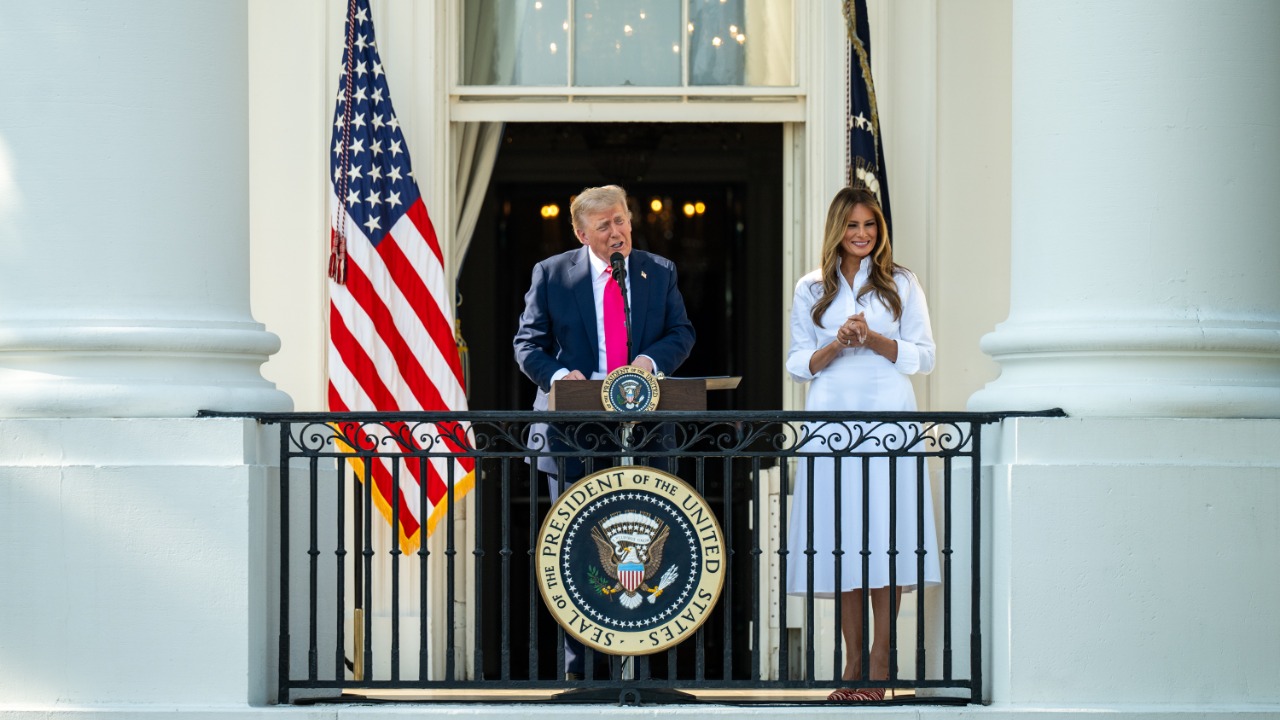
President Donald Trump announced that 88% of US retirees will now pay zero taxes on Social Security under a new proposal, aiming to provide significant relief to millions of seniors. This pledge comes amid discussions of broader tax reforms, but questions arise about the “One Big Beautiful Bill,” a sweeping legislative package that could introduce unintended consequences for some beneficiaries. While the tax elimination targets the majority, experts warn it might exacerbate fiscal pressures elsewhere in the system.
Trump’s Tax Elimination Pledge
Donald Trump declared that 88% of US retirees will now pay zero taxes on Social Security, a figure derived from current beneficiary data and thresholds. This announcement, part of Trump’s post-election policy rollout, marks a significant shift from prior administrations’ approaches to Social Security taxation. By eliminating taxes for the majority of retirees, Trump aims to alleviate financial burdens on seniors who have long faced federal taxes on up to 85% of their benefits.
Reactions from retiree advocacy groups have been largely positive, highlighting the potential uplift for middle-income seniors. These groups emphasize that the tax relief could significantly enhance the financial well-being of retirees who have been struggling with the cost of living increases. However, some experts caution that while the immediate benefits are clear, the long-term implications for the Social Security system’s sustainability remain uncertain.
The One Big Beautiful Bill’s Framework
The “One Big Beautiful Bill” integrates tax cuts with spending reforms, which Trump positioned as a comprehensive fix. The bill proposes to fund the Social Security tax relief through adjustments to payroll contributions and other revenue sources, marking a departure from previous bipartisan efforts. This approach aims to balance immediate tax relief with sustainable funding mechanisms, although it has sparked debate over its feasibility and fairness.
Among the bill’s provisions are enhanced deductions for working retirees, which could further incentivize continued workforce participation among seniors. These deductions are designed to maintain the 88% eligibility threshold for tax relief, ensuring that a broad swath of retirees benefits from the changes. However, the bill’s complexity and the potential for unintended consequences have raised concerns among policymakers and analysts.
Potential Risks and Who Might Be Hurt
Despite its promises, the One Big Beautiful Bill could strain Social Security’s long-term solvency, potentially leading to benefit cuts for the remaining 12% of retirees not covered by the zero-tax promise. Analysts warn that the bill’s funding mechanisms might not be sufficient to sustain the program without additional reforms or revenue sources. This could result in future benefit reductions or increased taxes for other segments of the population.
Higher-income retirees or those with combined pensions might face indirect impacts, such as phased-out exemptions detailed in the bill’s draft language. These scenarios highlight the bill’s potential to inadvertently disadvantage certain groups, despite its overarching goal of tax relief. Furthermore, the proposal alters prior estimates of the program’s trust fund depletion timeline, raising questions about its long-term viability compared to 2024 analyses.
As the debate over the One Big Beautiful Bill continues, stakeholders must weigh the immediate benefits of tax relief against the potential risks to Social Security’s future. The proposal’s impact on fiscal projections and the broader economy will be closely scrutinized as policymakers and experts assess its implications for retirees and the nation’s financial health.
More From TheDailyOverview
- Dave Ramsey says these two simple questions show whether you’re rich or poor
- Retired But Want To Work? Try These 18 Jobs for Seniors That Pay Weekly
- IRS raises capital gains thresholds for 2026 and what’s new
- 12 ways to make $5,000 fast that actually work

Nathaniel Cross focuses on retirement planning, employer benefits, and long-term income security. His writing covers pensions, social programs, investment vehicles, and strategies designed to protect financial independence later in life. At The Daily Overview, Nathaniel provides practical insight to help readers plan with confidence and foresight.