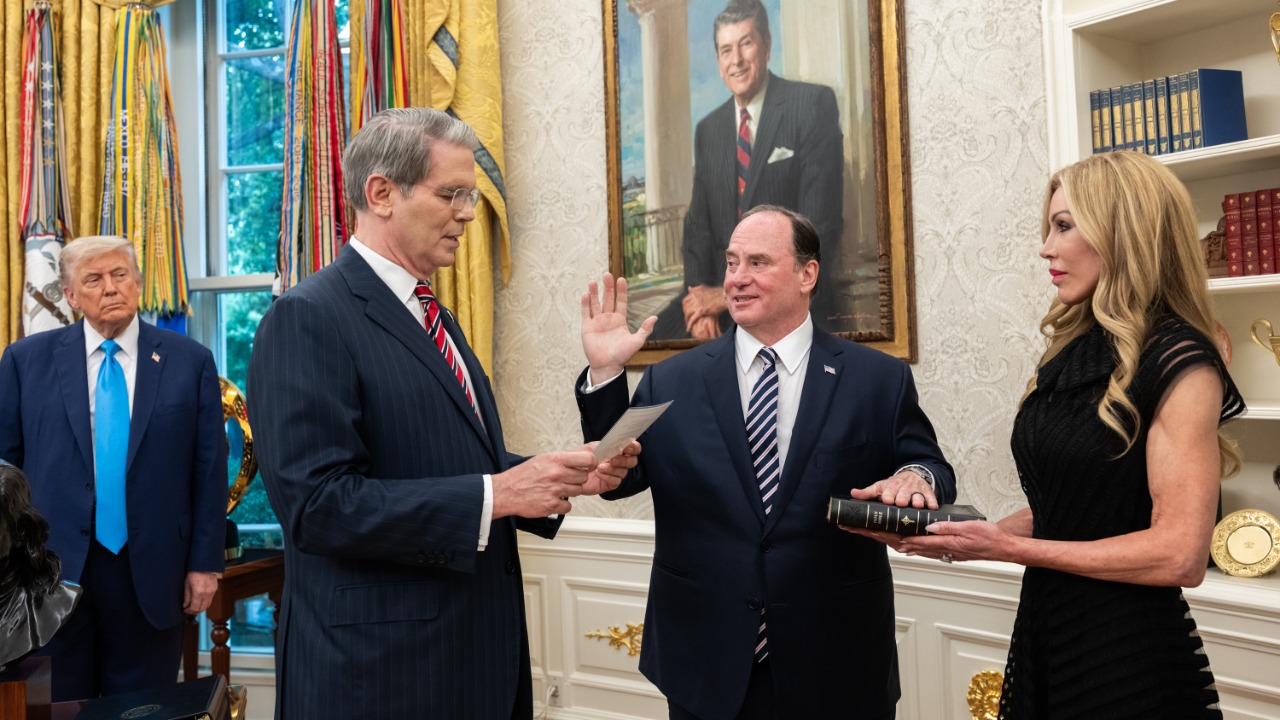
President Donald Trump has reignited the debate over interest rates, suggesting that the Federal Reserve should implement a rate cut to stimulate the economy. Meanwhile, Treasury Secretary Scott Bessent has offered a specific proposal, indicating just how much the rates should be adjusted. Their perspectives have stirred discussions among economists, policymakers, and financial experts, all keenly observing the potential impacts of such monetary policy shifts.
The Current Economic Landscape

Recent economic indicators paint a mixed picture of the U.S. economy. Inflation rates have shown signs of easing after reaching worrisome peaks earlier in the year, yet they remain above the Federal Reserve’s long-term target of 2%. Employment figures have been robust, with the unemployment rate hovering around historically low levels, suggesting a strong labor market. However, GDP growth has been sluggish, with some quarters showing only marginal increases, raising concerns about the overall momentum of economic recovery.
The Federal Reserve’s current stance on monetary policy has been one of cautious optimism. The central bank has maintained a steady interest rate, balancing between fostering economic growth and keeping inflation in check. Historically, the Fed has used rate adjustments as a primary tool to influence economic activity, with past rate cuts often providing a short-term boost to the economy. Yet, each adjustment carries its own set of implications, particularly in a complex and interconnected global landscape.
Trump’s Perspective on Interest Rates
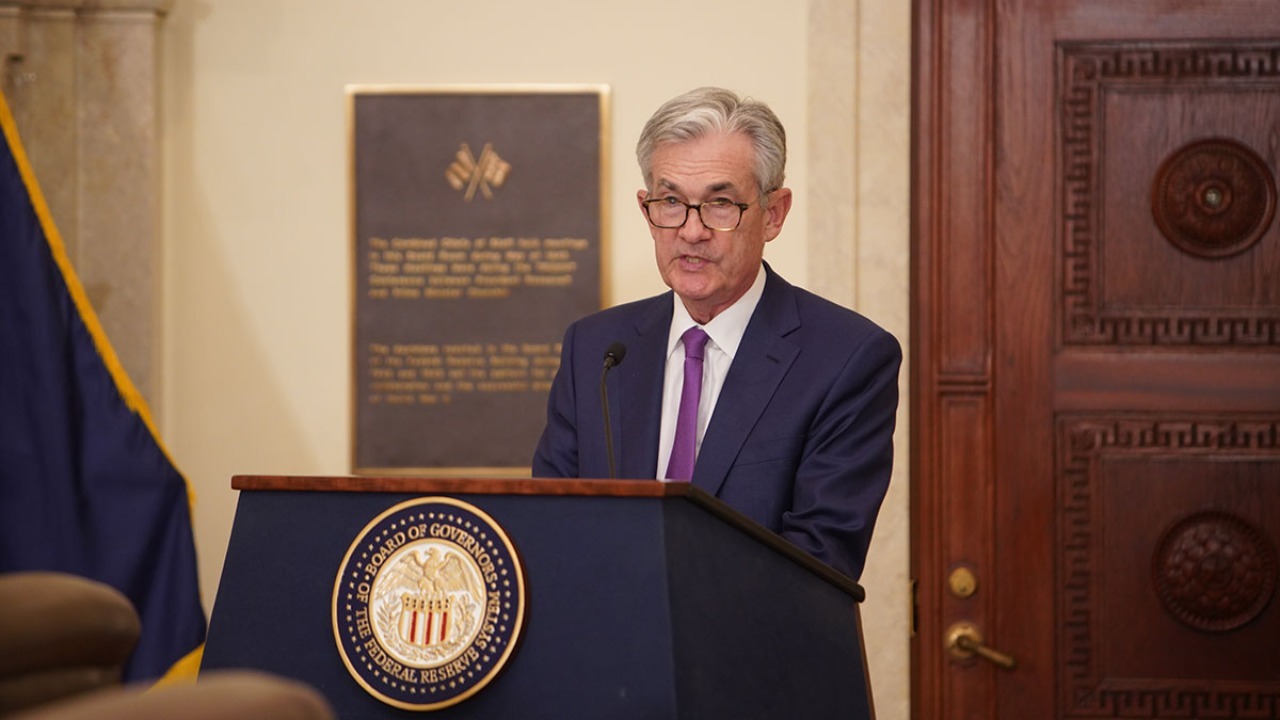
Donald Trump’s call for a rate cut stems from a belief that lower interest rates would spur economic activity by making borrowing cheaper for businesses and consumers. He argues that this could lead to increased investments and spending, thereby accelerating economic growth. Trump’s advocacy for rate cuts is not new; during his last presidency, he also frequently criticized the Federal Reserve for not lowering rates aggressively enough, arguing that it hampered economic expansion.
There are political dimensions to Trump’s stance as well. By pushing for lower interest rates, he aligns with a populist agenda that appeals to business owners and middle-class Americans eager for economic relief. Some analysts suggest that his calls might also be strategically timed to influence upcoming elections, attempting to position himself as a champion of economic growth through monetary policy adjustments.
Scott Bessent’s Proposal

Treasury Secretary Scott Bessent has proposed a half-point cut in interest rates, a move he believes would align more closely with current economic needs. Bessent’s proposal is informed by his analysis of the U.S. economic outlook, which considers both domestic and international economic pressures. He suggests that the rate cut could help buffer the economy against potential downturns, especially in light of ongoing global uncertainties.
In contrast to the Federal Reserve’s cautious approach, Bessent’s recommendation reflects a more proactive stance. His proposal has been met with varied reactions from economists and financial analysts, some of whom support his view as a necessary step to maintain economic momentum, while others warn of potential inflationary pressures. Such a move would mark a significant departure from the Fed’s current policy, which has been more focused on gradual adjustments.
Implications of Interest Rate Adjustments

Interest rate changes have profound effects on various sectors of the economy. In the housing market, for instance, lower rates can lead to increased mortgage affordability, potentially boosting home sales and construction activity. Consumer spending, a vital component of GDP, may also rise as individuals feel more confident in borrowing and spending with lower interest costs. Additionally, investments in business expansion could see an uptick as companies take advantage of cheaper credit.
However, there are inherent risks associated with lowering interest rates. Inflationary pressures could mount if demand surges beyond what the economy can sustainably supply, leading to price increases. Moreover, persistently low rates might contribute to asset bubbles, as seen in the past with real estate and stock markets. Maintaining a delicate balance is crucial to avoid long-term economic instability.
The long-term consequences of a rate cut, if implemented, would depend on how effectively the Federal Reserve manages these risks. Historical data, such as that discussed in this study, provides insights into the complex dynamics of interest rates and economic performance.
Public and Market Reactions
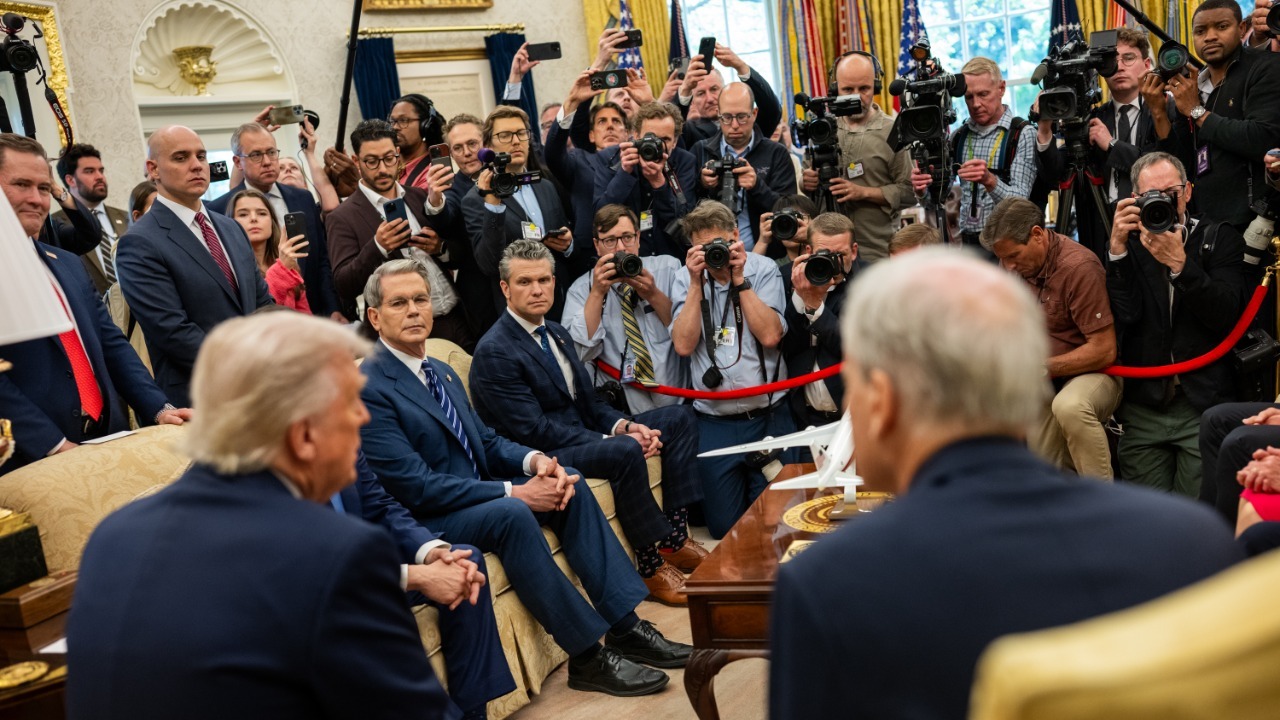
Financial markets have responded with a mix of anticipation and caution to the ongoing debate over interest rate cuts. Stock indices have experienced fluctuations as investors weigh the potential benefits of a rate cut against the risks of inflation and economic overheating. Bond markets, too, have shown sensitivity to these discussions, with yields adjusting as expectations for future monetary policy shift.
Public opinion on the Federal Reserve’s role in managing the economy remains divided. Some view the central bank as a stabilizing force, while others criticize it for being too slow or too reactive in its policy decisions. The influence of political commentary, such as Trump’s recent statements and Bessent’s proposal, further shapes public perceptions, as highlighted in reports like this one.
Overall, the debate over interest rate cuts reflects broader questions about economic strategy and governance, with implications that extend beyond immediate financial metrics. As the Federal Reserve navigates these complex waters, the interplay between policy decisions, market reactions, and public trust will continue to shape the economic landscape.

Grant Mercer covers market dynamics, business trends, and the economic forces driving growth across industries. His analysis connects macro movements with real-world implications for investors, entrepreneurs, and professionals. Through his work at The Daily Overview, Grant helps readers understand how markets function and where opportunities may emerge.

