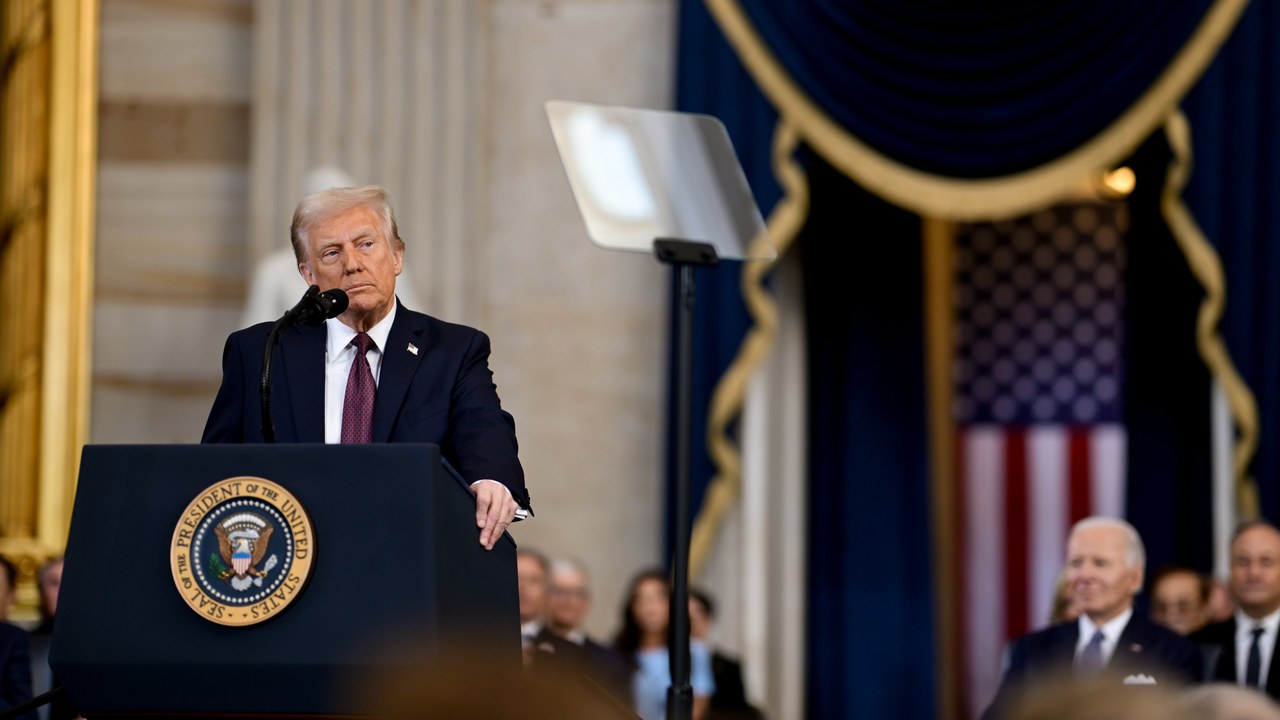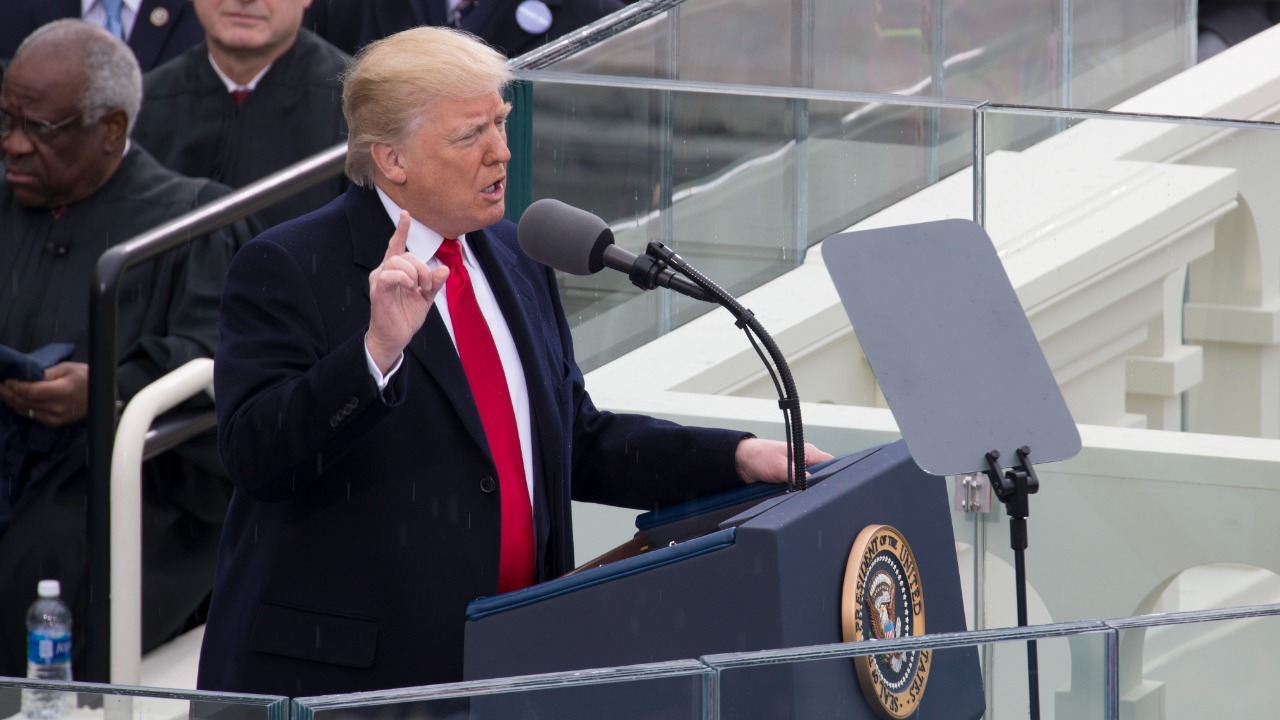
Former President Donald Trump recently directed sharp criticism at European car manufacturers, triggering a significant decline in their stock values. His remarks, alongside the imposition of new tariffs, have sent shockwaves through the global automobile market, raising concerns about the broader economic repercussions.
Impact of Trump’s Comments on European Car Manufacturers

Trump’s statements have had an immediate and palpable effect on European auto stocks. Accusing European carmakers of unfair trade practices, his rhetoric has not only stirred controversy but also impacted market dynamics. European car stocks plummeted shortly after his comments, reflecting investor anxiety. For instance, the stock prices of leading manufacturers like Volkswagen and BMW experienced a sharp decline, underscoring the fragile state of investor confidence.
The introduction of tariffs has compounded these challenges further. The U.S. has targeted specific segments within the European auto industry, imposing tariffs that have increased costs for manufacturers. Historically, such trade conflicts have led to prolonged economic tensions; the current situation draws parallels with past trade disputes, highlighting the potential for long-term economic strain.
Responses from European Auto Giants
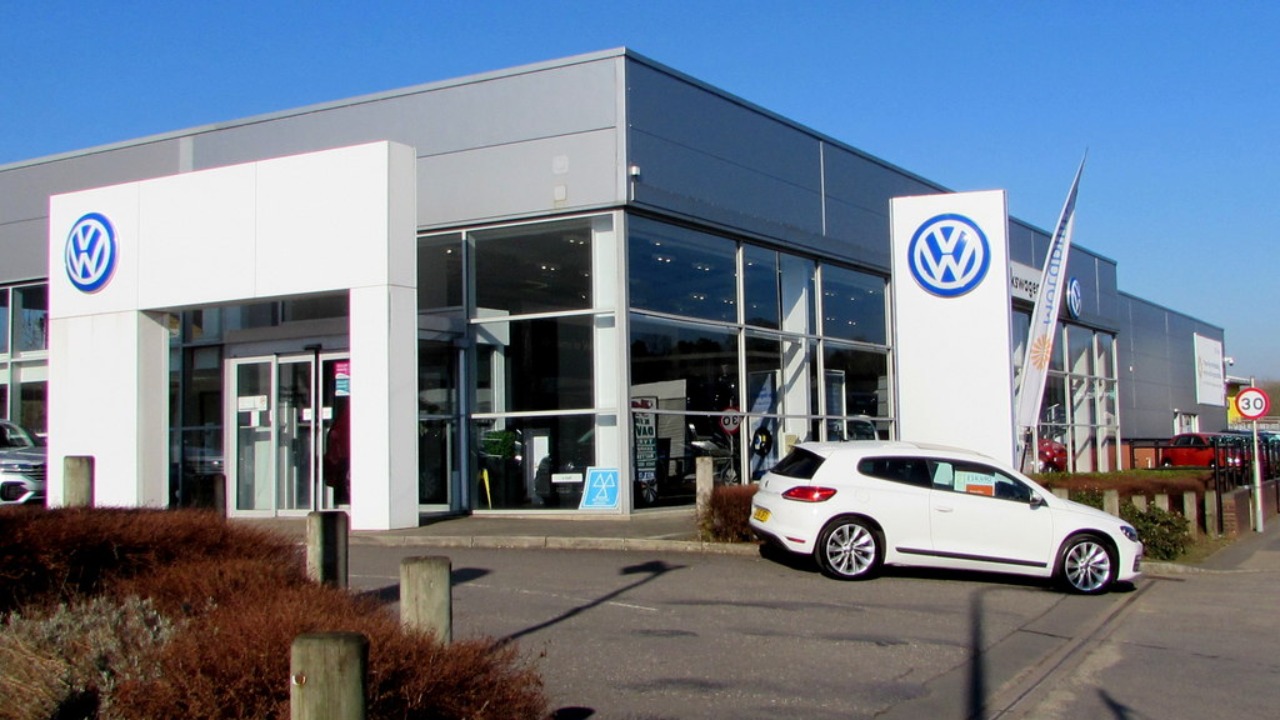
In response to U.S. tariffs, European car manufacturers have adopted various strategies to cushion the impact. Volkswagen, for example, has been actively seeking ways to mitigate losses, exploring options like shifting some production to non-U.S. locations and cost-cutting measures. Other major players, such as BMW and Mercedes-Benz, are also reevaluating their supply chains and considering similar adjustments to safeguard their operations.
The European Union has not remained silent in the face of these challenges. The EU has issued statements criticizing the U.S. tariffs and is contemplating potential retaliatory measures. Such actions could significantly alter transatlantic trade relations, potentially leading to a cycle of retaliation and escalation that could further destabilize the global economy.
Economic and Market Repercussions

The impact of these developments extends beyond the automobile industry, influencing global financial markets at large. The uncertainty surrounding tariffs and declining stock values has eroded investor confidence, prompting a cautious approach to investments. Analysts suggest that if the situation persists, it could lead to broader shifts in global trade and investment trends, potentially affecting industries beyond the automotive sector.
Looking ahead, experts have varying opinions on the future of European auto stocks. Some anticipate a potential rebound, driven by strategic adjustments and resilient market strategies. However, others warn of potential long-term repercussions, including shifts in manufacturing and supply chain strategies that could redefine the automotive landscape.
Political and Diplomatic Dimensions
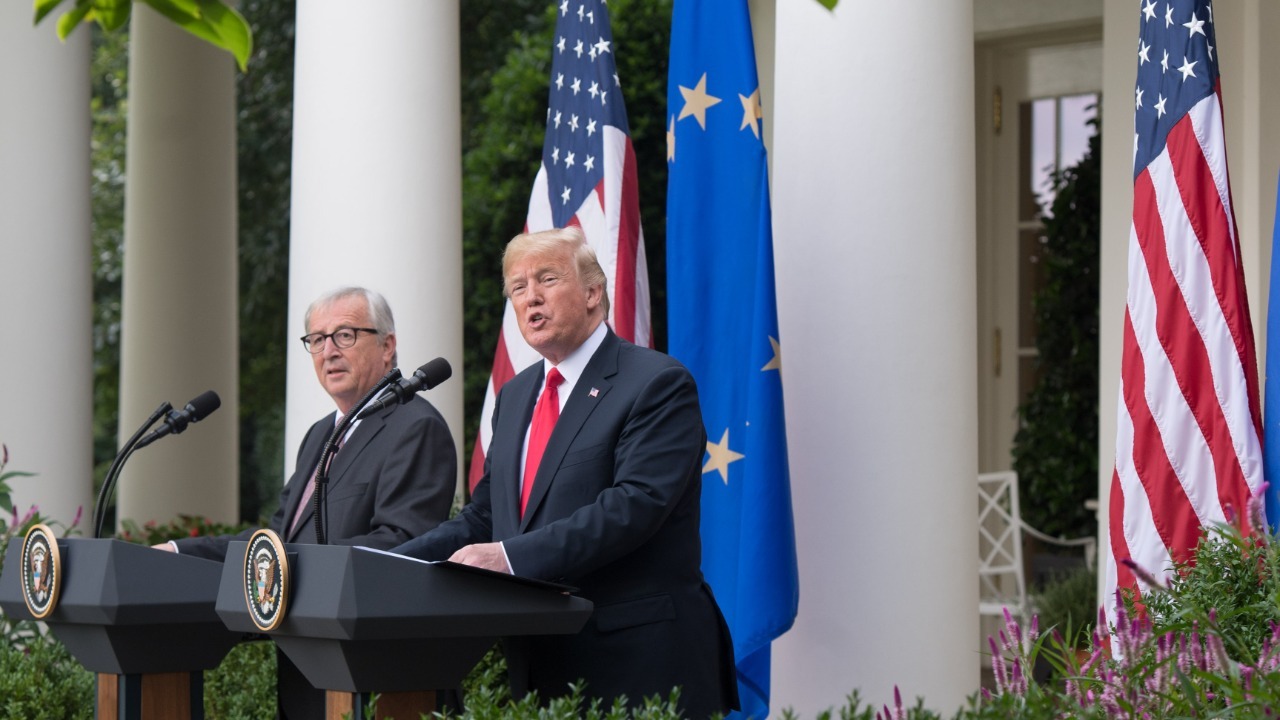
The tensions between the U.S. and European nations underscore the intricate relationship between politics and trade policies. The current political climate is marked by strained diplomatic ties, influencing economic decisions on both sides of the Atlantic. As diplomatic relations play a crucial role in shaping these policies, they also dictate the potential for resolution or escalation.
Negotiations may offer a path to de-escalate tensions, but the road to a trade agreement remains fraught with challenges. Should the current trajectory continue, scenarios involving further conflicts or trade wars could become more likely. The potential for diplomatic solutions exists, but it requires mutual cooperation and willingness to engage in constructive dialogue to prevent further economic fallout.

Grant Mercer covers market dynamics, business trends, and the economic forces driving growth across industries. His analysis connects macro movements with real-world implications for investors, entrepreneurs, and professionals. Through his work at The Daily Overview, Grant helps readers understand how markets function and where opportunities may emerge.