The imposition of tariffs during the Trump administration has had a significant impact on American households, particularly in terms of reduced purchasing power. On average, families are experiencing a $2,400 decrease in buying power this year alone, as tariffs trickle down into everyday expenses, prompting deeper concerns about financial stability and economic policy. The economic ripple effects are palpable, especially as costs escalate across various sectors, underscoring the need for a closer examination of trade policy and its direct impact on consumer wallets.
Understanding the Tariffs
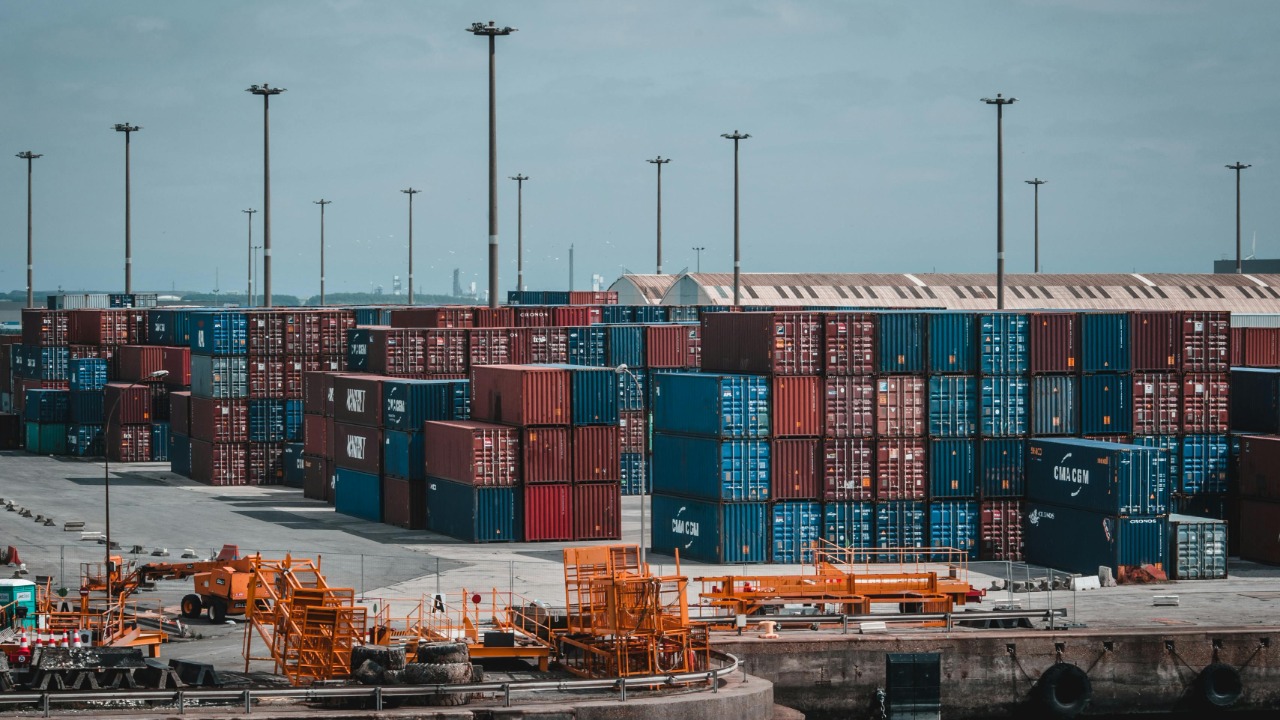
Tariffs are essentially taxes imposed on imported goods, designed to protect domestic industries from foreign competition or to penalize other countries. They are a common trade policy tool used by governments to influence international trade dynamics. The Trump administration imposed a series of tariffs on a wide range of goods, affecting trade with several countries, most notably China. These tariffs were part of a broader strategy to renegotiate trade deals and address trade imbalances.
The Trump administration’s tariffs targeted various sectors, including steel and aluminum, which are crucial to the manufacturing industry. This move was intended to bolster domestic production but inadvertently led to increased costs for industries reliant on these materials. Furthermore, tariffs on Chinese goods affected consumer goods, electronics, and more, disrupting supply chains and leading to higher production costs. The scope of these tariffs was extensive, affecting both raw materials and finished products, which ultimately translated into higher prices for consumers.
Economic Impact on Households

The tariffs have directly contributed to increased consumer prices, as businesses passed on the added costs to consumers. This has been evident in various sectors, including groceries and electronics. For instance, the cost of household staples such as washing machines and refrigerators saw notable increases, with some reports indicating price hikes of up to 20%. Similarly, imported goods in supermarkets, from fruits to packaged foods, have become more expensive, squeezing household budgets further.
As a result of these increased costs, the buying power of the average American family has diminished. An estimated $2,400 loss in purchasing power this year is a significant hit to household finances. Families have had to make adjustments in their spending, prioritizing essential expenses over discretionary ones. Essential areas such as food, clothing, and utilities have been particularly affected, forcing families to reconsider their budgets and, in some cases, cut back on savings or other financial goals.
Ripple Effects on the U.S. Economy

The tariffs have also had a broader impact on the U.S. economy, particularly in terms of employment. Industries directly affected by tariffs, such as manufacturing and agriculture, have faced challenges in maintaining jobs due to increased production costs and reduced competitiveness. In some cases, this has led to job losses or shifts in employment sectors as businesses adapt to the new economic landscape. The long-term effects on job growth and stability remain a concern, with some sectors potentially facing a slower recovery.
Moreover, the tariffs have reshaped the U.S.’s trade relationships with other countries. As tariffs were imposed, other nations retaliated with their own tariffs on American goods, leading to a tit-for-tat trade war that strained diplomatic relations. This has had long-term consequences for the U.S.’s position in global trade, with some countries seeking alternative partners to mitigate the impact of tariffs. The implications of these shifts could affect the U.S.’s economic standing on the global stage, influencing future trade negotiations and agreements.
Political and Social Repercussions
Public opinion towards the tariffs and their impact on household finances has been mixed. While some support the notion of protecting domestic industries, others criticize the tariffs for their unintended consequences on consumer costs and economic stability. Critics, including economists and political analysts, argue that the tariffs have done more harm than good, raising questions about their effectiveness as a trade policy tool. These critiques have sparked debates about the direction of U.S. economic policy and the need for a more balanced approach to trade.
Looking ahead, future policy considerations will be crucial in determining how the U.S. navigates trade relationships and economic challenges. Discussions around potential policy changes and trade negotiations under different administrations are ongoing, with a focus on addressing the financial burdens faced by American families. As new tariffs or trade agreements are considered, the hope is that they will alleviate rather than exacerbate current economic pressures. In the meantime, families continue to adapt to the financial realities shaped by past trade policies, with many seeking ways to soften the blow, such as exploring alternative purchasing options or cutting back on non-essential expenses.

Grant Mercer covers market dynamics, business trends, and the economic forces driving growth across industries. His analysis connects macro movements with real-world implications for investors, entrepreneurs, and professionals. Through his work at The Daily Overview, Grant helps readers understand how markets function and where opportunities may emerge.

