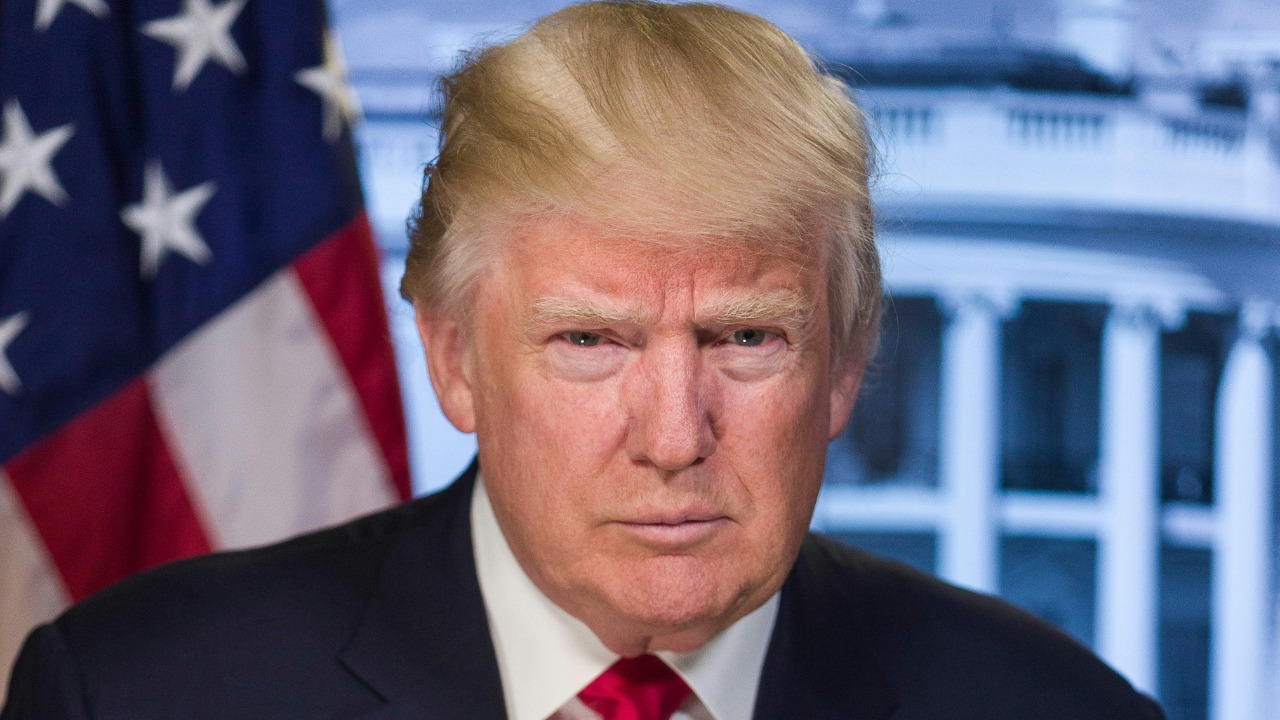
The tariffs imposed by President Donald Trump have been a hot topic of debate, with supporters hailing them as necessary for protecting domestic industries and critics warning of their broader economic implications. While the immediate effects on trade and industry are often discussed, there is a hidden danger within these tariffs that could significantly disrupt the stock market. How might Trump’s tariffs spell trouble for investors and the broader economy?
The Immediate Economic Impact of Tariffs
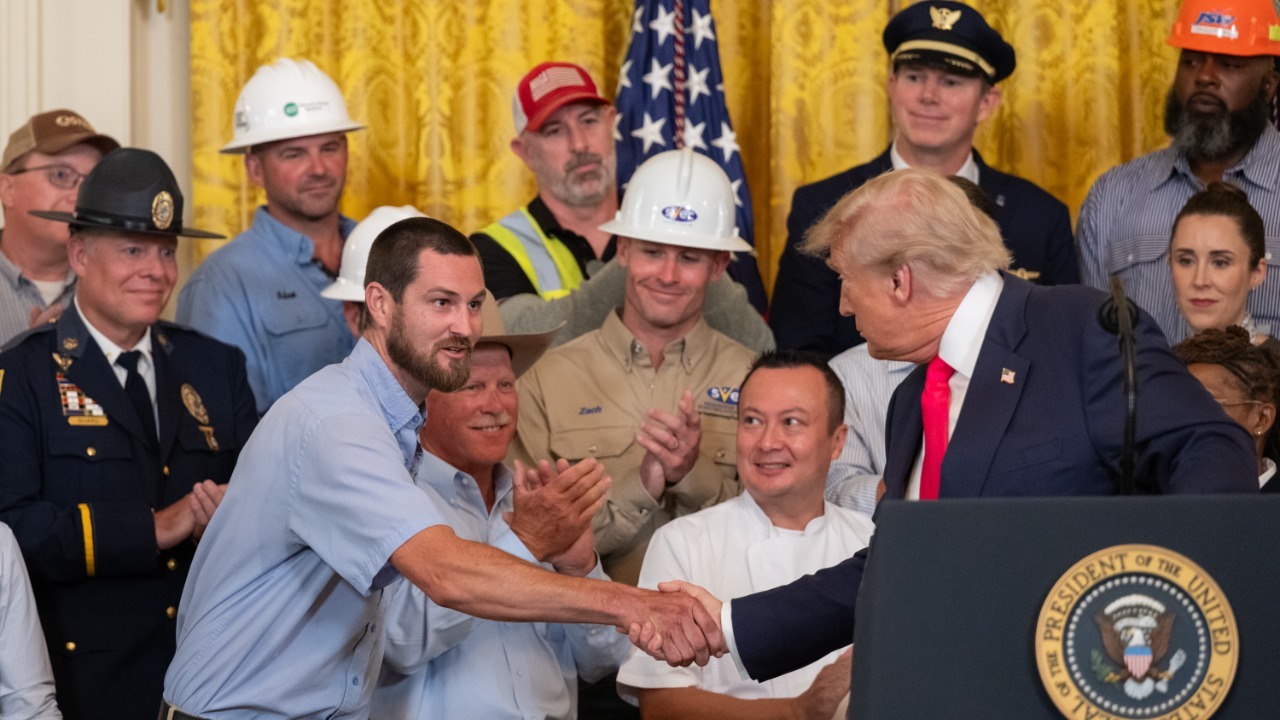
When President Trump announced a series of tariffs, the administration’s primary objective was to protect American jobs and industries from foreign competition. Significant measures included tariffs on steel and aluminum imports, which were intended to revitalize domestic manufacturing. These tariffs were set at 25% on steel and 10% on aluminum, aiming to encourage local production and reduce dependency on foreign materials.
Short-term responses varied across industries. For example, while the steel industry saw a temporary boost in domestic production, sectors like agriculture experienced immediate setbacks. U.S. farmers found themselves facing higher costs and reduced access to key international markets as countries like China retaliated with tariffs on American soybeans and pork. The stock market, sensitive to these changes, initially responded with volatility. Stocks of companies directly affected by these tariffs, such as those in agriculture and manufacturing, saw fluctuations as investors weighed the potential impacts on profitability.
Unintended Consequences on Global Trade Relations
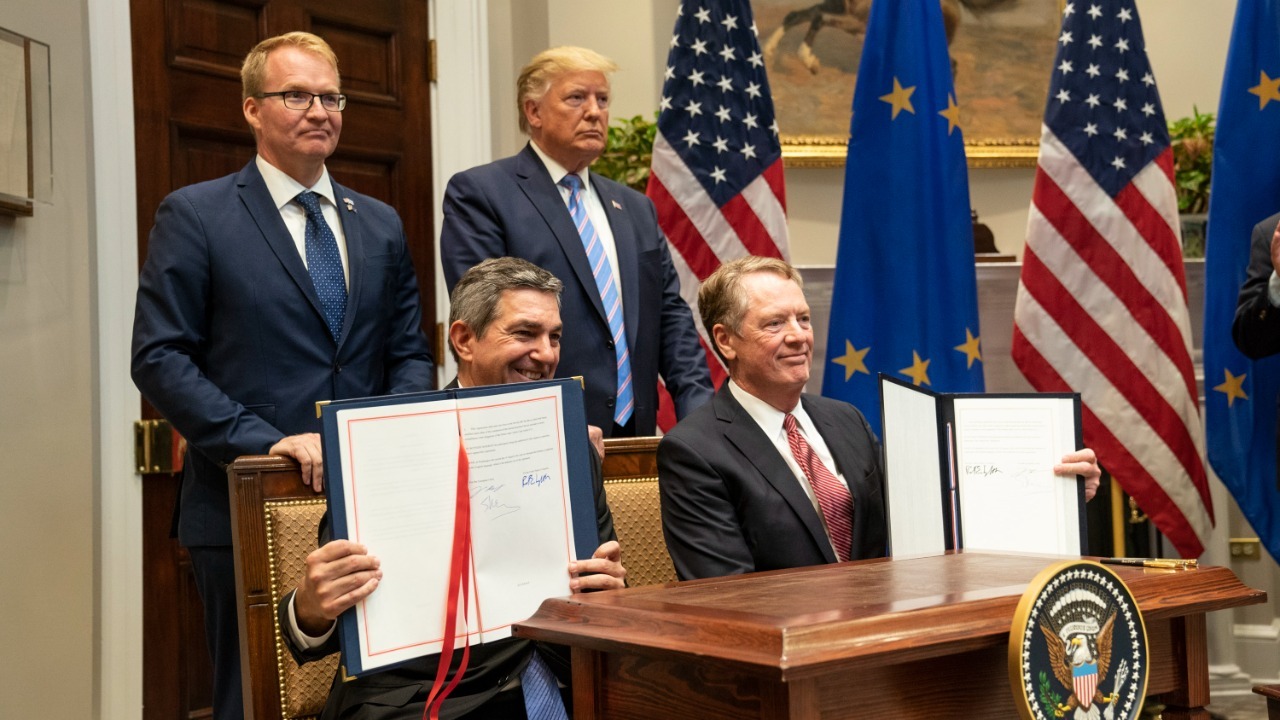
The tariffs strained relations with major trading partners. China, the European Union, and others perceived these tariffs as aggressive economic measures, leading to a series of retaliatory tariffs. For instance, China imposed tariffs on $60 billion worth of American goods, targeting sectors such as agriculture and automotive industries. This tit-for-tat escalation created a precarious situation for global trade, with countries increasingly adopting protectionist stances.
This strain extended beyond economic measures, potentially affecting diplomatic relations. Prolonged trade conflicts risk destabilizing global economic structures, making it challenging to negotiate future trade agreements. The potential for long-term trade wars looms large, with experts warning that such conflicts could impede global economic stability and growth. As nations like China become less willing to compromise, the ripple effects could be felt worldwide, impacting markets and economies far beyond the immediate players involved.
Impact on Domestic Industries and Supply Chains
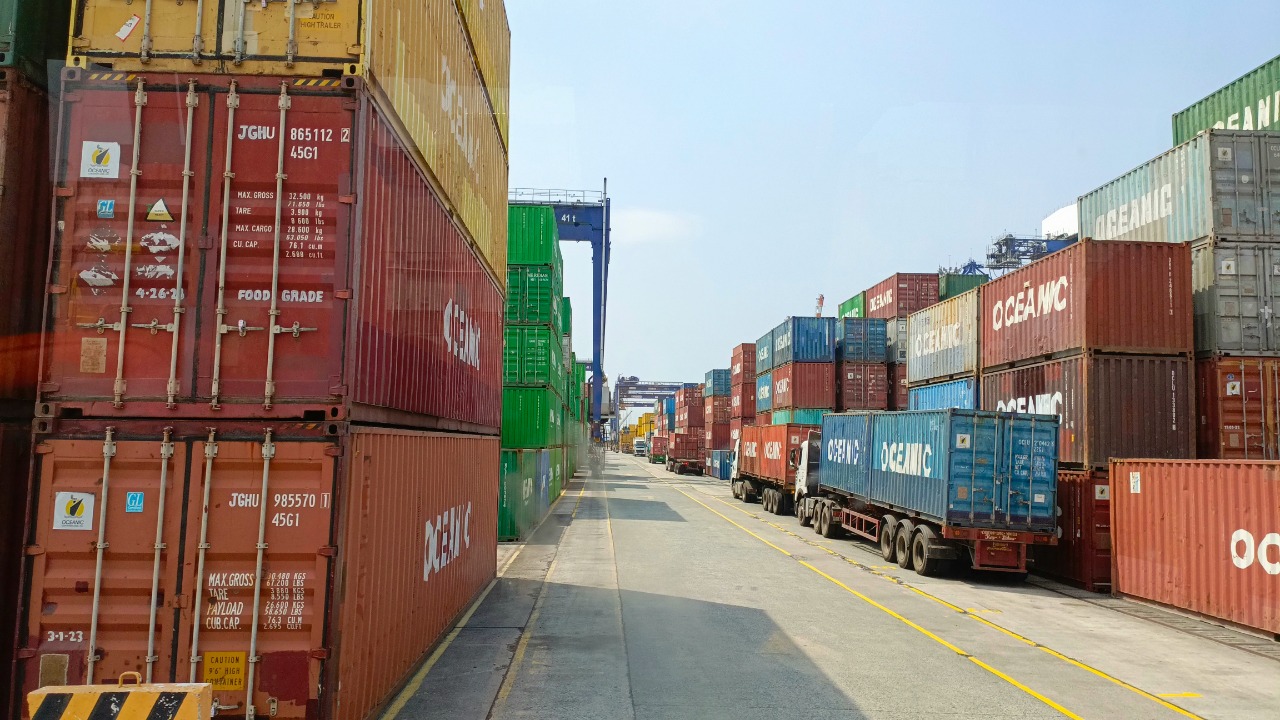
The tariffs led to increased costs for U.S. manufacturers. Companies reliant on imported raw materials like steel and aluminum faced higher production costs, which were often passed down the supply chain. For instance, the auto industry saw production costs rise, affecting manufacturers like Ford and General Motors. These increased costs not only squeezed profit margins but also forced companies to reevaluate their pricing strategies.
Moreover, global supply chains were disrupted. Companies that had optimized their operations for a globalized economy suddenly found themselves dealing with delays and increased costs. This disruption had a ripple effect on employment, as companies sought to cut costs by reducing workforce numbers or relocating jobs to countries with more favorable trade conditions. In manufacturing hubs across the U.S., the impact on employment was palpable, with many workers facing uncertainty in an increasingly volatile market.
Potential Stock Market Volatility

Investor confidence is closely tied to market sentiment, which can be adversely affected by ongoing trade tensions. The uncertainty surrounding tariffs and potential retaliations can lead to increased market volatility, causing investors to become hesitant. As trade negotiations stall and tensions escalate, the stock market may experience fluctuations that reflect these uncertainties.
Certain sectors are more vulnerable to tariff-induced fluctuations than others. For example, technology companies that rely heavily on global supply chains are at risk of facing disrupted operations and increased costs. Historical precedents, such as the trade tensions of the 1980s, illustrate how trade barriers can lead to significant stock market downturns. During that period, increased tariffs and trade barriers contributed to heightened market instability, offering a cautionary tale for today’s investors.
Long-term Economic Implications

Tariffs have the potential to shift global economic power, benefiting some countries while disadvantaging others. As nations adjust to new trade realities, some may gain competitive advantages, while others struggle to adapt. For example, countries that can develop alternative markets or strengthen regional trade agreements may find themselves in stronger positions, potentially altering the balance of economic power.
The possibility of an economic recession triggered by prolonged trade conflicts is a real concern. Reduced global economic growth could result from sustained trade tensions, with negative impacts felt across multiple sectors. For investors, navigating this uncertainty requires strategic planning. Diversifying portfolios and focusing on sectors less affected by trade tensions can help mitigate risks. Additionally, staying informed about developments in trade negotiations and adjusting investment strategies accordingly can provide a buffer against tariff-related market volatility.
While the immediate effects of Trump’s tariffs are evident, the hidden dangers they pose to the stock market and the broader economy are significant. By examining these impacts, investors can better understand the risks and opportunities presented by the current trade environment. As the global economy continues to evolve, staying informed and adaptable will be key to navigating these complex challenges.

Grant Mercer covers market dynamics, business trends, and the economic forces driving growth across industries. His analysis connects macro movements with real-world implications for investors, entrepreneurs, and professionals. Through his work at The Daily Overview, Grant helps readers understand how markets function and where opportunities may emerge.

