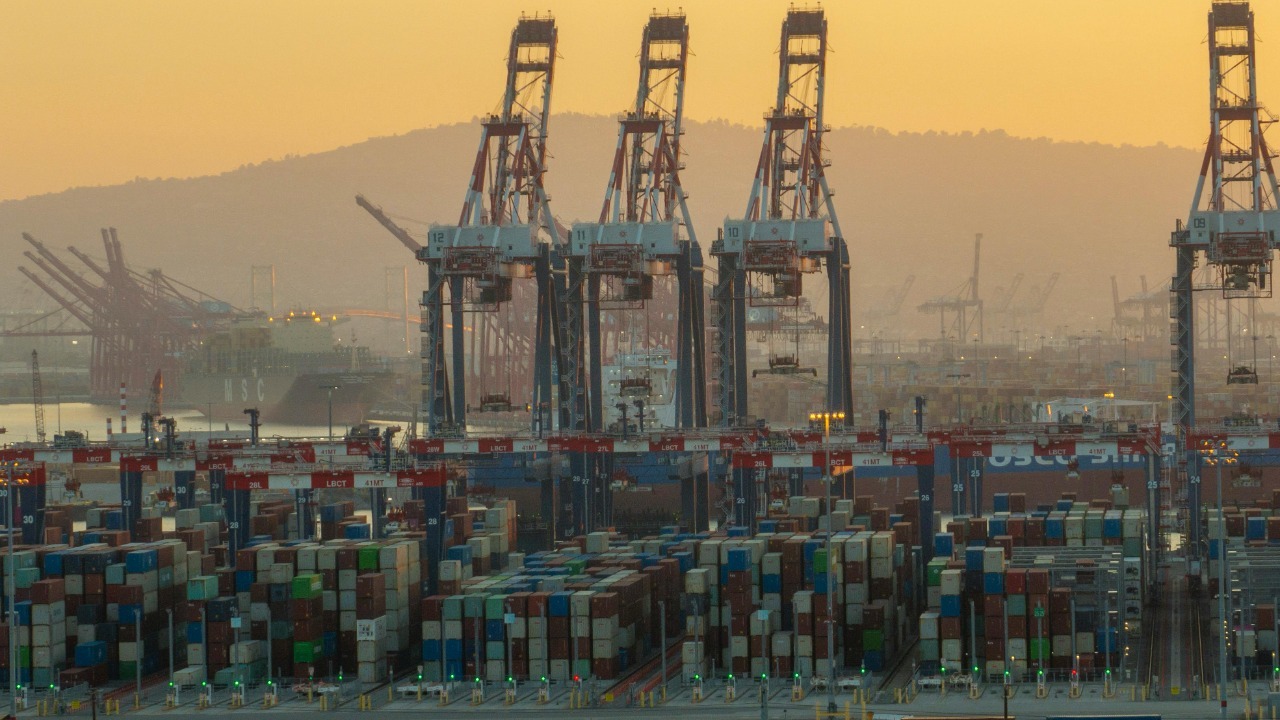
The Trump administration’s tariffs on Chinese imports were pitched as a way to reset trade terms, but they also rewired the basic mechanics of how goods enter the United States. As Section 301 duties climbed, importers suddenly faced much higher liabilities at the border, and the customs bonds meant to backstop those risks came under strain. The result, according to trade professionals, has been growing concern about whether bond coverage is keeping pace with the new tariff exposure, underscoring how a policy aimed abroad has created hidden financial pressure at home.
Trade brokers and insurers describe a widening gap between the higher duties created by the Section 301 program and the bond limits that were originally set for a lower-tariff environment. The Section 301 program changed the scale and timing of payments far faster than bond underwriting practices evolved, and the government’s own exclusion process added another layer of complexity that many smaller importers struggled to manage.
How Section 301 tariffs rewrote the rules
The starting point is the legal tool the administration used. Section 301 of the Trade Act of 1974 allows the United States to respond when it judges another country’s trade practices to be unfair. In 2018, the Office of the United States Trade Representative, an official executive-branch office, used that authority to impose new duties on a wide range of Chinese products. In its own description of the Section 301 tariff actions, the agency laid out which product lists would be hit and when those duties would take effect, setting a precise calendar for when import costs would jump.
Those dates mattered because importers typically size their customs bonds based on historical duty levels and expected flows. When the USTR announced in July 2018 that it was also releasing a formal product exclusion process for Chinese products subject to the Section 301 tariffs, it signaled that the tariff regime would not be a simple, flat surcharge but a moving target. The official notice on the product exclusion process described which companies could ask for relief, and how those decisions would interact with the earlier Section 301 tariff actions and their effective dates.
Why higher tariffs strain customs bonds
Customs bonds are essentially insurance policies that guarantee an importer will pay what it owes in duties, taxes, and fees. Before Section 301, many importers of consumer electronics, machinery, and parts from China paid relatively modest duty rates, so bond amounts were manageable and often renewed on autopilot. Once the Section 301 tariffs took hold, the same shipments carried much higher potential liabilities, but many bond programs did not immediately reset to reflect the new scale of risk.
Industry practitioners warn that, under the new tariff regime, some importers’ bond limits may lag behind their actual duty exposure. That concern cannot yet be quantified from the official record, but what is clear from the USTR’s own description of the Section 301 tariff actions is that the government deliberately raised duty exposure on targeted Chinese products, and that shift alone made it far more likely that legacy bond limits would be inadequate once the higher bills started arriving.
The exclusion process and unintended pressure points
The July 2018 announcement of a product exclusion process added another twist. By creating a path for certain Chinese products to be carved out of the Section 301 tariffs, the USTR effectively split importers into two groups: those able to secure relief and those left paying the higher rates. The official executive-branch record describes how companies could apply for exclusions on specific tariff lines and how those decisions would apply retroactively to duties paid after the relevant Section 301 actions came into effect. That meant some importers could eventually claw back money they had already paid, while others had no such option.
From a bond perspective, this patchwork matters. Brokers say that firms expecting exclusions often continued importing high-duty items in the hope that relief would arrive, while their customs bonds remained sized for a world of lower tariffs. Because the exclusion process was defined in the same USTR notice that laid out the Section 301 tariff actions and their effective dates, importers had to track not only when duties kicked in but also when and whether exclusions would be granted. As the rules grew more complex, it became easier for smaller companies to misjudge how much bond coverage they truly needed.
Who bears the risk when bonds fall short
When a customs bond is too small, the importer does not simply walk away from the extra liability. U.S. Customs and Border Protection can demand additional security, seize goods, or pursue the importer directly for unpaid duties. In practice, however, the first shock often lands on the surety companies that underwrite the bonds and the brokers who arrange them. They can be left scrambling to increase bond amounts mid-year or to recover funds from clients who were not prepared for Section 301-level bills.
Trade lawyers describe cases where long-standing importers suddenly triggered bond insufficiency notices after a few large shipments of Chinese machinery or components pushed them over their historical duty baselines. Because the USTR’s Section 301 actions targeted specific product lists rather than all imports, the impact was concentrated in particular sectors. That concentration meant some sureties saw sharp jumps in exposure tied to a relatively narrow slice of tariff lines, a pattern that aligns with the targeted product descriptions in the official Section 301 tariff actions described by the USTR.
Rethinking tariff design after early bond warnings
Concerns about customs bond adequacy have become a talking point for critics who argue that the Section 301 tariffs risk hitting domestic firms harder than their intended foreign targets. While there is no confirmed official figure for any aggregate bond shortfall, the structure of the policy, as described in the USTR’s own Section 301 tariff actions and product exclusion process, supports the idea that bond systems were exposed to sudden, concentrated risk. The government changed duty levels quickly, on specific Chinese product lists, while leaving it to private sureties and importers to reprice and resize their guarantees.
There is also a lesson in how the product exclusion process was rolled out alongside the tariff hikes. By offering case-by-case relief after the Section 301 actions had already taken effect, the USTR introduced uncertainty into importers’ planning. Some companies delayed adjusting their bonds, betting that exclusions would eventually reduce their effective duty burden. Others over-corrected, locking up working capital in oversized bonds while waiting for exclusion decisions that might never come. The official description of the exclusion process shows that the USTR was focused on tailoring the tariff program, but it did not address how those design choices would interact with bond adequacy or the risk appetite of surety markets.
More From The Daily Overview
*This article was researched with the help of AI, with human editors creating the final content.

Grant Mercer covers market dynamics, business trends, and the economic forces driving growth across industries. His analysis connects macro movements with real-world implications for investors, entrepreneurs, and professionals. Through his work at The Daily Overview, Grant helps readers understand how markets function and where opportunities may emerge.

