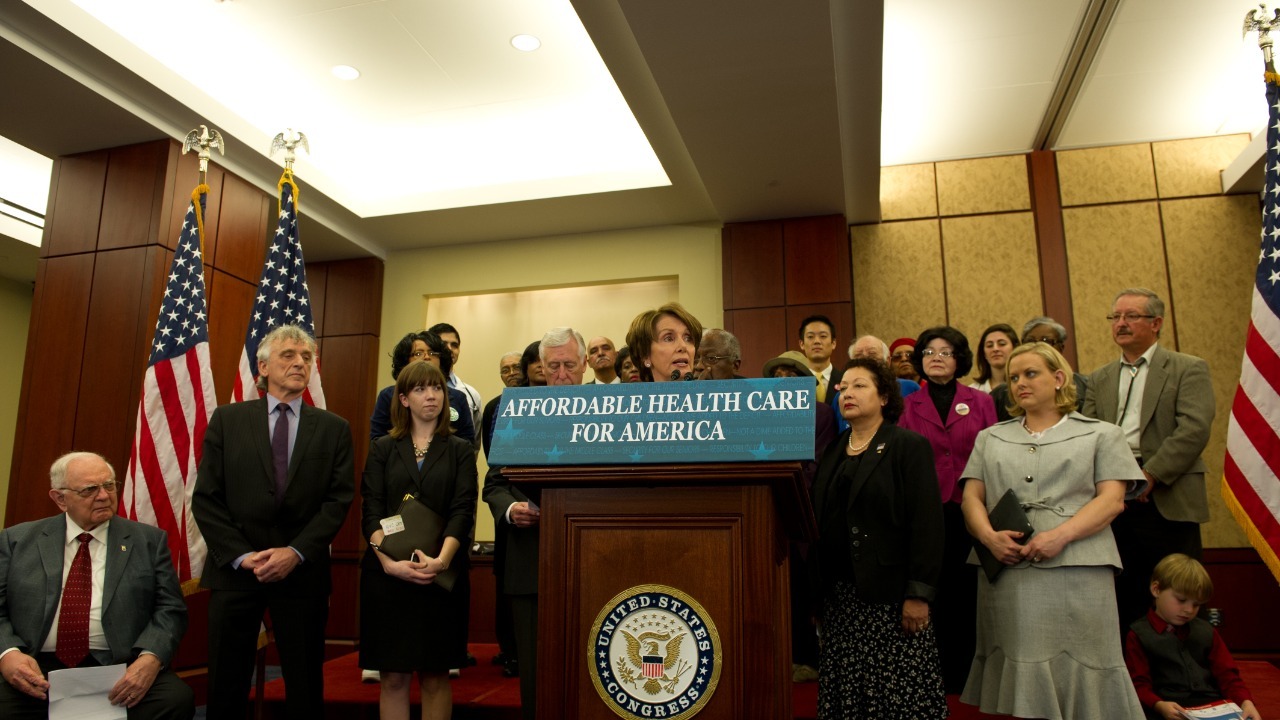
As Affordable Care Act coverage gets more expensive, the Trump administration is promoting a cheaper alternative built around short-term insurance and expanded tax-favored accounts. The pitch is simple: lower monthly premiums and more flexibility at a moment when many families are staring down painful rate hikes. The catch is that the new setup shifts far more risk onto patients, especially anyone who gets seriously sick.
Behind the slogans about choice and savings, the emerging Trump blueprint replaces broad, guaranteed protections with a patchwork of leaner plans and personal accounts that work well only if you stay relatively healthy. I see a widening gap between what these products promise on paper and what they deliver when a child is diagnosed with cancer or a parent lands in the ICU.
The subsidy cliff that set the stage
The first thing to understand is why cheaper plans suddenly look so attractive. Key tax credits that had kept Affordable Care Act premiums in check expired at the end of Dec, blowing a hole in household budgets just as people were renewing coverage. In July, President Trump signed H.R. 1, branded in official materials as the “One Big Beaut,” which reshaped federal tax policy and, in the process, allowed those enhanced subsidies to lapse for Marketplace buyers who had relied on them since the American Rescue Plan expanded aid in 2021, according to Covered California.
With those supports gone, Premium Increases are hitting people who buy their own insurance especially hard. Analyses of the federal Marketplace warn that if enhanced tax credits disappear, average premium payments in 2026 will more than double for many enrollees, and some will lose eligibility for any help at all, a pattern detailed in projections of Marketplace premium payments. State exchanges are warning that these important tax credits expired on Dec 31, 2025, and that, unlike before, financial help will not automatically shield consumers from rate spikes, even as preventive care still covers most screenings and vaccinations, as outlined in another Covered California notice.
Congress steps back, Trump steps in
The political backdrop is just as important as the math. Over the New Year holiday, Dec headlines captured a pivotal moment: Congress officially lets Obamacare subsidies lapse, even as premiums had already begun to climb. Lawmakers are still talking about a possible deal, but for now they have allowed the core financial support that made Obamacare affordable for millions to sunset after extending the subsidies for three years, a decision described bluntly in coverage of how Congress officially lets Obamacare subsidies lapse.
The result is a wave of sticker shock. Reports describe 2026 price hikes hitting ACA health insurance plans as subsidies expire for millions of Americans, with premium jumps now ranking near the top of voters’ concerns as they look at their monthly bills, according to an analysis of how 2026 price hikes hit ACA health insurance plans. Some families are grappling with insurance costs that are doubling, tripling or more, with one account describing premiums that jumped from about $500 a month to levels that feel impossible, as detailed in a report on how Some families grapple with insurance costs. In that vacuum, President Trump and his health team are moving aggressively to redefine what “affordable” coverage looks like.
The new “cheap” alternative: short-term plans and catastrophic coverage
Trump officials are leaning on a familiar tool to promise relief: short-term health insurance. These policies were originally designed as stopgaps, but the administration is now promoting them as a replacement for Obamacare, arguing that they can deliver much lower premiums for people priced out of ACA plans. Reporting on the internal sales pitch notes that Trump officials are pushing these “short-term” insurance plans as a substitute for comprehensive coverage, even as critics warn that the products can exclude preexisting conditions, cap benefits and leave patients exposed to huge bills, a tension captured in coverage of how Trump officials are pushing short-term insurance plans.
At the same time, regulators are widening access to bare-bones catastrophic policies that used to be limited mostly to younger adults. Another option, new for 2026, is expanded eligibility for catastrophic plans with very high deductibles, which can reach $8,550 for an individual or $21,200 for a family, making them look affordable on a monthly basis but punishing at the point of care, as described in an explainer that notes Another option, new for 2026, is expanded eligibility. As millions brace for higher insurance prices, plans touted by Trump are attracting attention precisely because they are cheaper, but they often lack comprehensive coverage, a tradeoff highlighted in reporting that notes Trump-backed plans are cheaper, but coverage is often skimpy.
Health savings accounts: powerful, but with strict limits
To make these leaner plans more palatable, President Trump is also betting heavily on tax-favored savings. As a result of the Working Families Tax Cuts legislation that he signed, more health plans now work with Health Savings Accounts, letting people set aside money on a pre-tax basis to help pay for their health care and keep that money free from federal taxes if it is used for qualified expenses, as described in guidance that credits Working Families Tax Cuts signed by President Trump. Starting in 2026, a hardship exception will also allow some people to tap these accounts more flexibly when they apply for coverage, a change outlined in federal materials that explain how Starting in 2026, a hardship exception will work.
There is a hard ceiling on how far these accounts can go. In 2026 it will be $4,400 for a single person and $8,750 for a family, limits that define how much people can shield from taxes each year, according to a breakdown of HSA rules that also notes that Flexible spending accounts, or FSAs, are a separate tool with their own caps and restrictions, as detailed in a primer that specifies $4,400 and $8,750 contribution limits and Flexible spending accounts. Many people may get less financial help in 2026 because, unless Congress renews the enhanced subsidies, they will expire at the end of 2025, leaving HSAs and FSAs to fill a gap they were never designed to fully cover, a warning spelled out in consumer guidance that notes Many may get less financial help in 2026 unless Congress acts.
The big catch: when “cheap” turns catastrophically expensive
The core problem with the Trump team’s cheaper alternative is not that it saves money in the short term, but that it can implode when people need it most. While the low premiums on short-term and catastrophic plans sound appealing, the savings evaporate catastrophically when serious illness strikes, because these policies often exclude key benefits, impose annual or lifetime caps, and can deny coverage for preexisting conditions, a pattern documented in an investigation that opens with the line While this sounds appealing, the savings evaporate catastrophically. Unlike ACA plans, which must cover a broad set of essential services and cannot charge more based on health status, these cheaper options can leave patients with six-figure bills after events like a heart attack.
Patient advocates are also warning about gaps in drug coverage. They argue that the Trump administration must close an insurance and middleman loophole to protect patients from rising drug costs by clarifying that essential prescription drugs are considered an Essential Health Benefit, a change they say is needed to ensure people with chronic conditions have access to affordable and life-saving treatments, as laid out in a policy brief urging recognition of Essential Health Benefit protections for prescription drugs. Without that kind of guardrail, the combination of skimpy plans and limited savings accounts risks turning a cheaper premium into a very expensive gamble for anyone who cannot predict their health needs in advance.
More From TheDailyOverview

Nathaniel Cross focuses on retirement planning, employer benefits, and long-term income security. His writing covers pensions, social programs, investment vehicles, and strategies designed to protect financial independence later in life. At The Daily Overview, Nathaniel provides practical insight to help readers plan with confidence and foresight.

