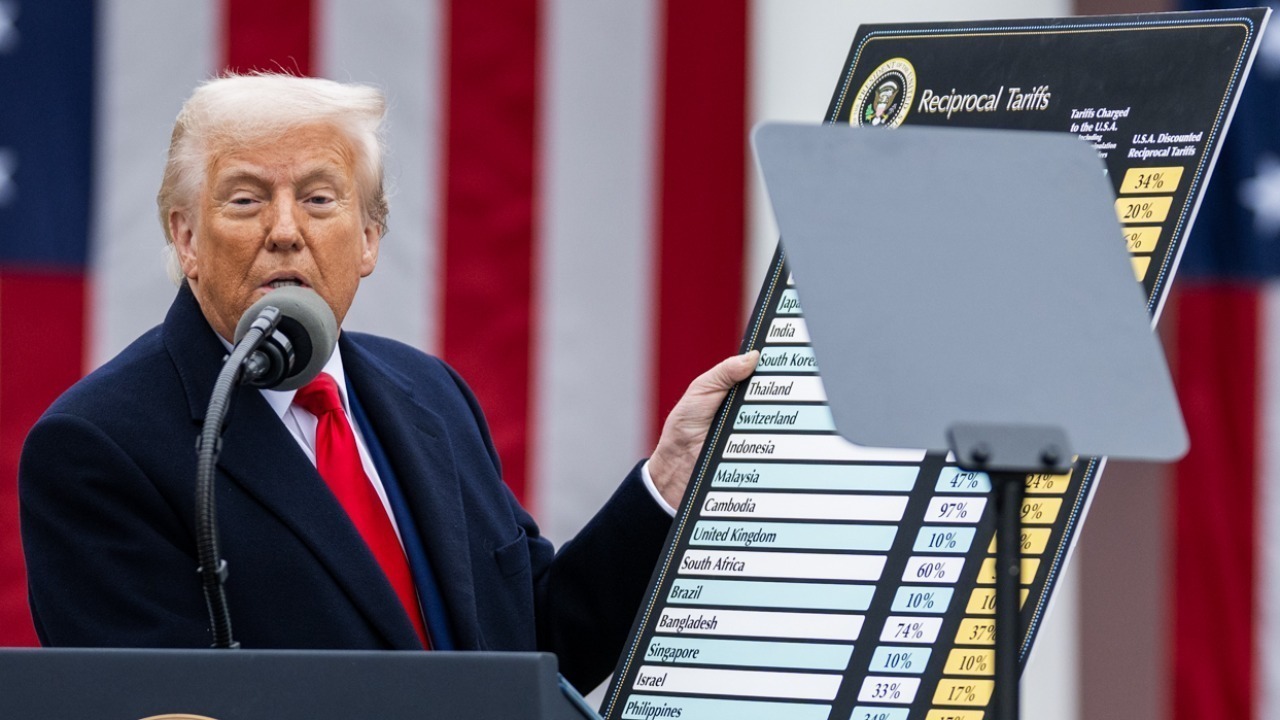
President Donald Trump announced on November 9, 2025, his intention to distribute $2,000 dividends to Americans, funded by tariff revenue. This proposal, aimed at providing a rebate from import duties, has reignited discussions about its feasibility and potential impact. While the promise of a $2,000 payment per person is enticing, experts caution against expecting immediate implementation, as the details remain vague and the economic implications significant.
Trump Revives the Tariff Dividend Idea
Donald Trump has once again brought the idea of a tariff-funded dividend to the forefront, explicitly stating his desire to use tariff revenue to provide $2,000 payments to Americans. This move is positioned as a direct benefit of his trade policies, aiming to offer tangible financial relief to citizens. The proposal marks a renewed push compared to his earlier campaign rhetoric, signaling a post-election focus on delivering economic benefits directly to the public.
Reports confirm that Trump has revived this proposal, emphasizing a fresh commitment to the idea. However, despite the renewed focus, there is no specific timeline for when these payments might be distributed. The lack of a concrete schedule suggests that while the intent is clear, the path to implementation remains uncertain. This ambiguity has led to skepticism about the feasibility of the plan, especially given the complexities involved in using tariff revenue for such a widespread distribution.
Key Details of the Proposed Rebate
The proposed $2,000 tariff rebate checks are designed to provide economic relief by utilizing revenue from duties imposed on imports. The plan targets a one-time payment of $2,000 per person, intended to offset the costs households might face due to tariffs. This initiative aims to make the economic benefits of trade policies more visible to the average American, potentially boosting consumer confidence and spending.
However, essential details about the proposal remain unspecified. While the plan suggests that most Americans would be eligible, the exact mechanics of distribution, such as the method of payment and the specific funding thresholds from tariffs, have not been clarified. This lack of detail raises questions about the practicality of the proposal and whether it can be effectively implemented without significant administrative and logistical challenges.
Skepticism and Market Reactions
Despite Trump’s promise, there is considerable skepticism about whether the $2,000 tariff dividend will materialize this year. Crypto bettors, reflecting broader financial uncertainty, doubt the likelihood of the payments being issued soon. This skepticism is echoed in various analyses, which highlight the delays in legislative or administrative rollout that could hinder the proposal’s progress.
Coverage from November 10, 2025, underscores the notion that while Trump has promised a $2,000 tariff ‘dividend’, the check isn’t in the mail just yet. Analysts advise against counting on these payments in the near term, pointing to unaddressed logistical hurdles that could delay or even derail the initiative. The uncertainty surrounding the proposal has led to cautious optimism among potential beneficiaries, who are advised not to make financial plans based on the anticipated dividend.
Economic Stakes and Political Strategy
The proposal is seen as a strategic political move by Trump, aiming to rally support by offering tangible financial benefits. However, it carries significant economic risks, including the potential for inflation and trade disruptions if tariffs are aggressively increased without corresponding revenue gains. Experts describe the $2,000 tariff dividend as a huge economic gamble, with the potential to strain U.S. consumers and global supply chains.
Compared to previous trade policy updates, this proposal introduces a populist rebate angle, shifting the focus from protectionism to direct payouts. This approach could appeal to a broad base of stakeholders, but it also raises concerns about the feasibility and sustainability of such a policy. The potential impact on global trade dynamics and domestic economic stability remains a critical consideration as the proposal moves forward.
For more insights on the potential economic implications, you can read the detailed analysis on CNN. Additionally, Forbes advises caution, suggesting that Americans should not rely on the promised payments until more concrete details are available. Meanwhile, AOL highlights the skepticism among crypto bettors regarding the proposal’s immediate viability.
For a comprehensive overview of the proposal’s key details, including eligibility and distribution methods, visit CNN. Finally, Investopedia provides an analysis of the current status of the proposal, emphasizing the delays and challenges that could impact its rollout.
More From TheDailyOverview
- Dave Ramsey says these two simple questions show whether you’re rich or poor
- Retired But Want To Work? Try These 18 Jobs for Seniors That Pay Weekly
- IRS raises capital gains thresholds for 2026 and what’s new
- 12 ways to make $5,000 fast that actually work

Julian Harrow specializes in taxation, IRS rules, and compliance strategy. His work helps readers navigate complex tax codes, deadlines, and reporting requirements while identifying opportunities for efficiency and risk reduction. At The Daily Overview, Julian breaks down tax-related topics with precision and clarity, making a traditionally dense subject easier to understand.

