Americans who have watched their grocery bills climb may soon see some relief in the breakfast aisle, as President Donald Trump’s latest trade shift targets everyday staples like bananas and coffee. By rolling back earlier tariffs on key food imports, the administration is betting that cheaper inputs at the border will eventually filter through to supermarket shelves and restaurant menus.
The move marks a notable turn in a trade strategy that initially leaned on steep duties to pressure trading partners and raise revenue, but is now being recalibrated in response to voter anger over inflation. If the policy works as intended, the cost of a morning latte or a bunch of bananas could fall, even as the broader debate over tariffs and economic security intensifies.
From tariff shock to rollback on coffee and bananas
The latest shift did not come out of nowhere. Earlier in the year, the administration had imposed aggressive duties on imported foods, including coffee and bananas, as part of a broader push to use tariffs as leverage in trade disputes and as a tool to raise money for the federal government. That approach hit consumers directly when global commodity prices rose, amplifying the impact of the new border taxes and helping push grocery bills higher.
Facing that backlash, officials moved to reverse course. Reporting indicates that on Nov 16, 2025, the administration rolled back duties on coffee, bananas and other foods after prices soared, acknowledging that the earlier policy had contributed to sticker shock in the produce and beverage aisles. The decision effectively unwound part of the tariff regime that had been justified as a way to strengthen the United States in ongoing trade disputes.
How Trump’s trade agenda set the stage
To understand why this reversal matters, it helps to look at how central tariffs have been to Trump’s economic agenda. In a fact sheet issued on Apr 1, 2025, the White House framed tariffs as part of a broader effort described as “PURSUING RECIPROCITY TO REBUILD THE ECONOMY AND RESTORE NATIONAL AND ECONOMIC SECURITY,” casting them as tools to protect sovereignty and “THE ECONOMY” rather than simply taxes on imports. That language underscored how the administration saw trade policy as a front line in a larger economic and geopolitical contest.
Public messaging around tariffs has also emphasized their role in reshaping global supply chains and encouraging domestic production. Coverage of the administration’s trade moves on Nov 4, 2025 highlighted the argument that tariffs would increase the amount of tax raised by the government and encourage consumers to buy American-made goods, even as they raised costs on imported products. That philosophy set the stage for the initial food tariffs that later had to be reconsidered when inflation became a dominant political and economic concern.
What changed: targeted cuts on food imports
The pivot on food tariffs has unfolded in stages, with a clear focus on items that show up in weekly grocery runs. According to reporting on Nov 14, 2025, the administration announced a tariff rollback that included beef, tomatoes and bananas, tying the move explicitly to mounting concerns about inflation. Those cuts were paired with trade deals involving Argentina and Ecuador, signaling that the White House was willing to trade some tariff leverage for lower prices on supermarket staples.
Behind the scenes, officials had been preparing exemptions aimed at easing pressure on food costs. An administration official who briefed reporters on Nov 12, 2025 said the deals would leave U.S. tariffs on Ecuador at 15 percent, a level that reflects a compromise between maintaining some protective barrier and allowing more affordable imports. That 15 percent rate on Ecuador sits alongside separate arrangements with Argentina, creating a patchwork of country-specific terms that collectively aim to bring down the cost of foods like bananas and beef without abandoning the broader tariff strategy.
Coffee and banana markets in the crosshairs
Coffee and bananas have been at the center of this policy swing because they are both household staples and heavily imported. Earlier in the year, coffee imports from major producers like Brazil and Vietnam were hit with tariffs as high as 50%, while the price of bananas was reported to be up nearly 9 percent. Those figures illustrate how quickly trade policy can ripple through to everyday purchases, especially when applied to products that the United States largely sources from abroad.
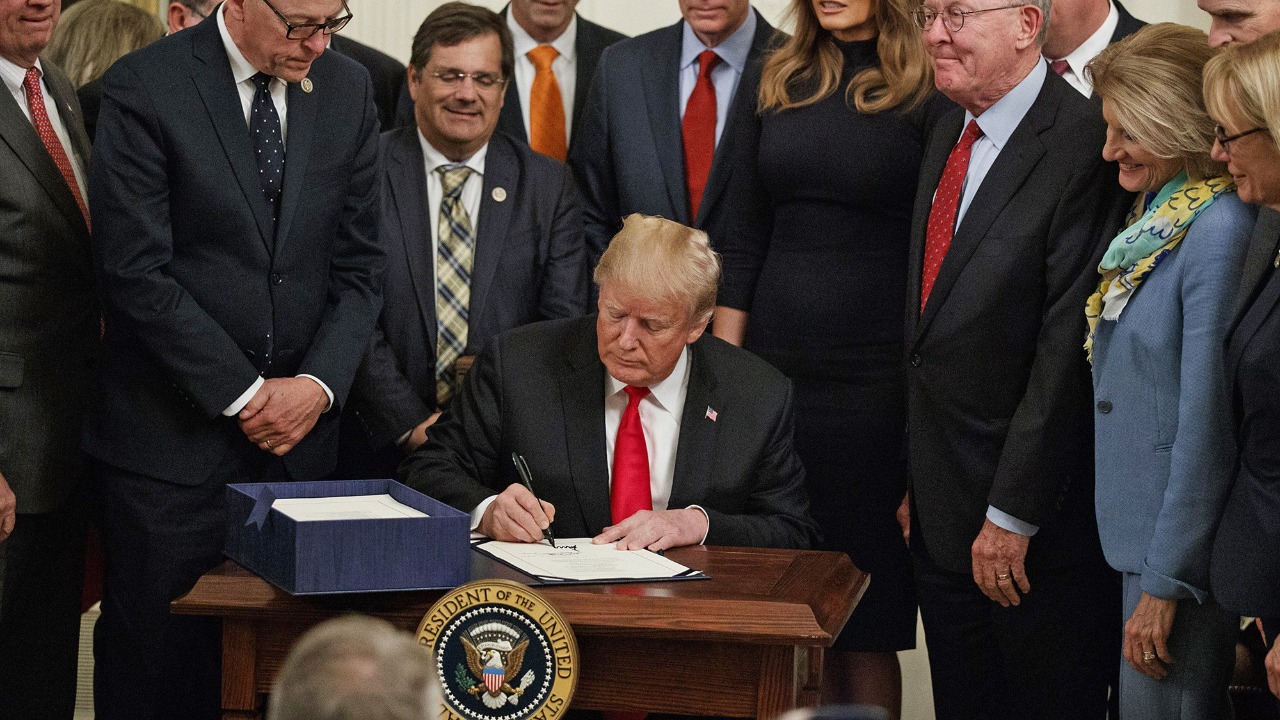
The political pressure around those increases was intense enough that President Trump moved to directly shrink the duties. Reporting on Nov 17, 2025 notes that President Trump signed an order on Friday reducing tariffs on goods including beef, tomatoes, coffee and bananas, a move that directly targeted the categories where consumers had seen some of the sharpest price jumps. By cutting those duties, the administration is effectively lowering the tax embedded in every imported pound of coffee beans or box of bananas, which should, over time, ease the pressure on retail prices.
Trade deals with Latin American suppliers
The tariff cuts are not happening in isolation. They are tied to a series of trade arrangements with key agricultural exporters in Latin America, designed to secure supply while easing price pressures. Coverage of the administration’s moves on Nov 13, 2025 describes how The Trump administration announced Thursday that new deals would remove tariffs on some food imports from Argentina and set a 15 percent rate for Ecuador, directly linking those terms to efforts to cut soaring grocery bills. Those country-specific arrangements are particularly important for bananas, where Ecuador is a major global supplier, and for beef and other foods where Argentina plays a significant role.
Officials have also highlighted broader regional frameworks. A segment posted on Nov 14, 2025 noted that The White House announced framework trade agreements with some Latin American countries in an effort to ease surging prices, signaling that the administration is looking beyond one-off tariff tweaks to more durable supply arrangements. By anchoring coffee and banana imports in these broader deals, the United States is trying to lock in more predictable flows of key foods, which could help stabilize prices even if global markets remain volatile.
Will cheaper imports reach the checkout line?
The central question for consumers is whether these policy shifts will actually translate into lower prices at the checkout. Tariff cuts reduce costs at the border, but it can take time for those savings to work through importers, distributors and retailers. In the case of coffee, roasters and chains like Starbucks or Dunkin typically buy beans months in advance, so the impact of lower duties on shipments from Brazil and Vietnam may show up gradually in the form of slower price increases or targeted promotions rather than immediate across-the-board cuts.
Bananas, by contrast, move quickly from ports to produce sections, which means changes in tariffs on shipments from countries such as Ecuador can filter through more rapidly. The combination of reduced duties, the 15 percent tariff level on Ecuador and new trade arrangements with Argentina and other partners is designed to give importers more room to negotiate lower wholesale prices. If retailers pass those savings on, shoppers could see cheaper bunches of bananas and more competitive pricing on coffee, even as the administration maintains that its broader tariff strategy is still aimed at protecting U.S. interests and rebuilding economic strength.
More From TheDailyOverview
- Dave Ramsey warns to stop 401(k) contributions
- 11 night jobs you can do from home (not exciting but steady)
- Small U.S. cities ready to boom next
- 19 things boomers should never sell no matter what

Julian Harrow specializes in taxation, IRS rules, and compliance strategy. His work helps readers navigate complex tax codes, deadlines, and reporting requirements while identifying opportunities for efficiency and risk reduction. At The Daily Overview, Julian breaks down tax-related topics with precision and clarity, making a traditionally dense subject easier to understand.