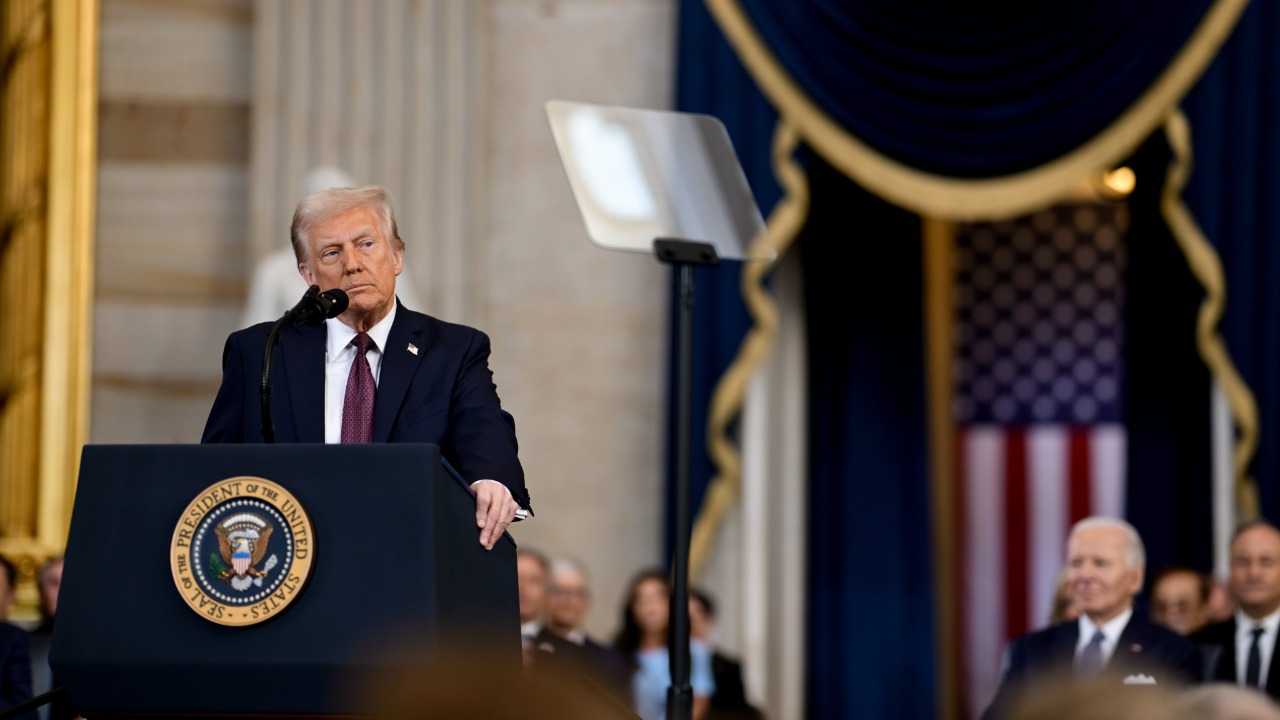
President Trump has announced a significant reduction in tariffs on a wide range of products, aiming to alleviate consumer costs and address inflationary pressures. This policy shift, first reported on November 14, 2025, is part of a broader strategy to make everyday goods more affordable for American households. The administration’s focus on reducing prices underscores its commitment to economic relief amid ongoing concerns about inflation.
Scope of the Tariff Reductions
The recent tariff cuts affect scores of products across various categories, marking a comprehensive approach to lowering consumer prices. The administration has targeted a diverse array of goods, ensuring that the benefits of these reductions are felt across multiple sectors. The cuts were announced and implemented shortly after the initial report on November 14, 2025, highlighting the administration’s urgency in addressing economic challenges. President Trump’s stated goal with these tariff reductions is to directly lower prices, thereby easing the financial burden on American families.
By focusing on a broad spectrum of products, the administration aims to maximize the impact of these tariff cuts. This strategy is designed to provide immediate relief to consumers, with the expectation that reduced tariffs will translate into lower retail prices. The timeline for implementation was swift, reflecting the administration’s proactive stance in tackling inflation and supporting household budgets. The policy is part of a larger effort to stabilize the economy and enhance consumer purchasing power.
Focus on Grocery and Consumer Goods
A significant portion of the tariff reductions is concentrated on grocery-related products, a move that directly targets everyday essentials. This focus is intended to address the high costs associated with food and household items, which have been a major concern for consumers. By slashing tariffs on these goods, the administration aims to provide immediate financial relief to shoppers, making it easier for families to afford basic necessities.
The inclusion of grocery items in the tariff cuts is a strategic decision, as these products are a staple in every household. The expected outcome is a noticeable decrease in retail prices, allowing consumers to stretch their budgets further. This policy is particularly important in the context of rising food prices, which have been a significant contributor to inflation. By reducing tariffs on these essential goods, the administration hopes to mitigate the impact of inflation on household expenses.
Economic Strategy Behind the Move
The decision to cut tariffs is part of a broader economic strategy aimed at combating inflation and stimulating consumer spending. By lowering the cost of imported goods, the administration seeks to increase consumer purchasing power and drive economic growth. The November 16, 2025, reporting frames this move as a proactive measure to address inflationary pressures and support the economy.
Tariff adjustments play a crucial role in the administration’s efforts to stabilize the economy. By reducing the cost of imports, the policy is expected to encourage consumer spending, which is a key driver of economic growth. Additionally, the tariff cuts could lead to supply chain benefits, as lower import costs may streamline the flow of goods into the country. This, in turn, could enhance the availability of products and further support economic recovery.
Political and Market Reactions
The announcement of tariff cuts has elicited varied responses from business leaders and economists. Many view the move as a positive step towards reducing consumer prices and supporting economic stability. The policy has been well-received by those who see it as a necessary measure to address inflation and enhance affordability for consumers. However, there are also concerns about the potential impact on domestic industries that may face increased competition from cheaper imports.
Market reactions to the tariff cuts have been closely monitored, with some fluctuations observed following the November 14, 2025, announcement. The expectation is that reduced tariffs will lead to lower product costs, benefiting consumers and potentially boosting retail sales. However, the long-term effects on the market and domestic industries remain to be seen, as stakeholders continue to assess the implications of the policy.
Overall, the administration’s decision to cut tariffs is a significant development in its efforts to address economic challenges and support American households. By targeting a wide range of products, the policy aims to provide immediate relief to consumers and stimulate economic growth. As the effects of the tariff reductions unfold, the administration will likely continue to monitor the impact on prices and the broader economy.
For more details on the tariff cuts and their implications, you can read the full report on The Hill and NewsNation.
More From TheDailyOverview
- Dave Ramsey warns to stop 401(k) contributions
- 11 night jobs you can do from home (not exciting but steady)
- Small U.S. cities ready to boom next
- 19 things boomers should never sell no matter what

Grant Mercer covers market dynamics, business trends, and the economic forces driving growth across industries. His analysis connects macro movements with real-world implications for investors, entrepreneurs, and professionals. Through his work at The Daily Overview, Grant helps readers understand how markets function and where opportunities may emerge.

