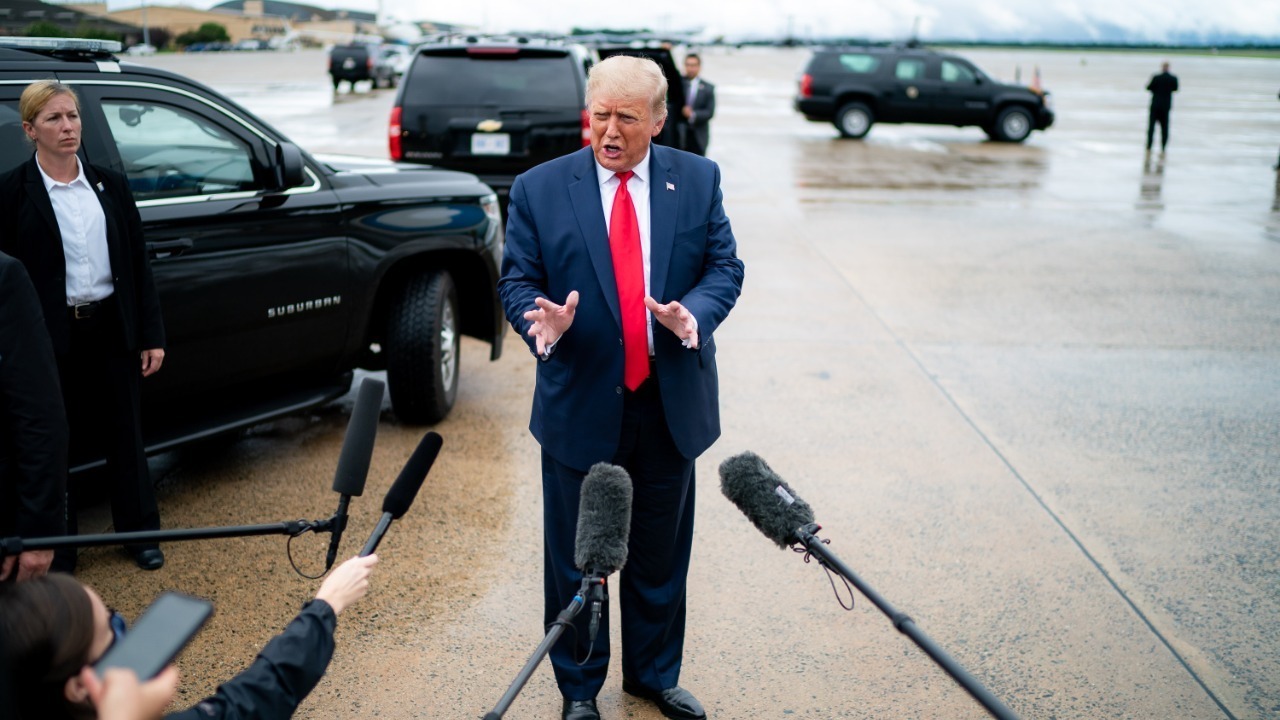
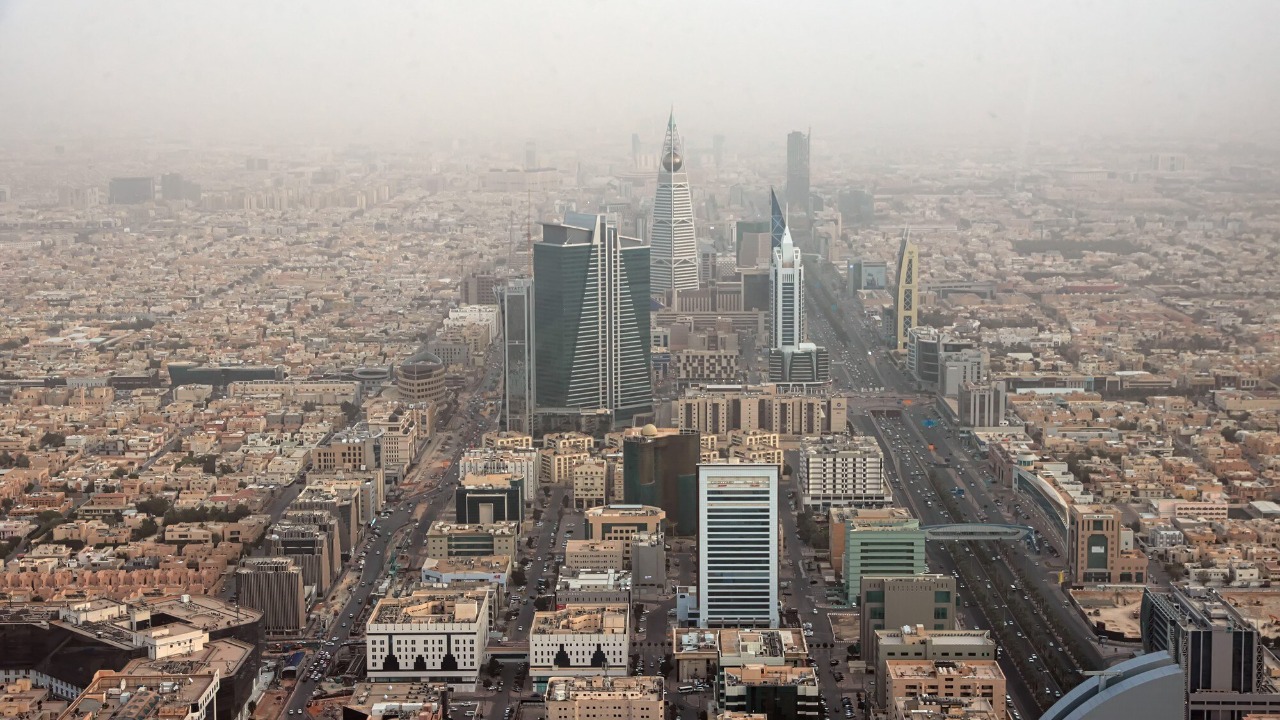
President Donald Trump is recasting Washington’s approach to Venezuela with a mix of military pressure, legal brinkmanship and sudden outreach to President Nicolas Maduro. The shift replaces years of mostly rhetorical confrontation with a more kinetic and unpredictable strategy that reaches from Venezuelan airspace to potential land operations. It is a new phase that could redefine United States leverage in Latin America and test how far Trump is willing to go to force change in Caracas.
Instead of a single doctrine, the emerging posture looks like a layered campaign: threats of “very soon” action on the ground, contested claims about closing the skies, and, in a striking twist, direct talks with the same leader Trump has spent years denouncing. Taken together, these moves amount to a major update in United States policy, one that blends coercion and contact in ways that unsettle allies, adversaries and Venezuelans caught in the middle.
From sanctions playbook to hard-power brinkmanship
Trump’s new stance on Venezuela builds on a trajectory that has been tightening all year, moving from economic and diplomatic pressure toward overt military signaling. Earlier in the year, analysis of United States strategy described how President Donald Trump’s team was already pursuing a stricter approach that aimed to hurt Venezuela’s economy and limit the room for President Nicolas Maduro to maneuver, while also experimenting with different tools than previous administrations used. That evolution from sanctions and isolation toward a more varied toolkit set the stage for the current mix of threats, operations and direct engagement that now defines Washington’s posture.
By Mar 10, 2025, assessments of What Trump Policy Shifts Mean for Venezuela were already emphasizing that the administration was seeking to reshape the balance of power with Caracas, and that President Donald Trump was willing to adopt a different approach to Venezuela than his predecessors. That context matters now, because the latest moves are not a sudden lurch but the culmination of a year in which Washington steadily escalated its demands, broadened its targets to include alleged drug trafficking networks, and signaled that it was prepared to back up its rhetoric with force if necessary.
Escalation in a “Renewed Cold War” climate
Trump’s Venezuela reset is not happening in a vacuum, it is unfolding in a regional environment that some analysts already describe as a kind of “Renewed Cold War” in Latin America. United States engagement has intensified around governments seen as hostile to Washington, and Venezuela sits at the center of that contest. The new mix of airspace declarations, land operation threats and naval signaling fits into a broader pattern in which the White House is willing to test legal and diplomatic boundaries to constrain regimes it views as adversarial.
Reporting dated Nov 10, 2025, on Renewed Cold War describes an Escalation of U.S. engagement in Latin America and frames How Trump Venezuela Policy Reshaped Geopolitics in ways that go beyond sanctions or speeches. That same Escalation is now visible in the Venezuela theater, where the administration is pairing pressure on Maduro with signals to other regional actors that Washington is prepared to lean harder on security tools, including those related to regime changes, to defend its interests.
Airspace closure: a dramatic claim and instant backlash
The most visible symbol of Trump’s new posture has been his declaration that the United States considers the skies above Venezuela effectively off limits. In public remarks, he has portrayed the move as a warning to criminal networks and a show of resolve against Maduro, casting the airspace issue as part of a broader campaign to choke off illicit flows he says are harming the United States. The language is deliberately sweeping, designed to project control over “the airspace above and surrounding” the country even as lawyers and foreign governments debate what Washington can actually enforce.
According to reporting from WEST PALM BEACH, Fla, on Nov 28, 2025, President Donald Trump said that the airspace “above and surrounding” Venezuela was being treated as closed, a claim that Maduro’s government rejected outright. Caracas framed the statement as imperialist aggression and insisted that any such decision would be a sovereign matter, not something Washington could simply announce from Florida. The clash over the skies has therefore become a proxy for a deeper dispute about who gets to set the rules in and around Venezuelan territory.
Trump’s justification: crime, migration and “THE AIRSPACE ABOVE”
Trump has tried to justify his airspace rhetoric by tying it directly to his long-running narrative about crime and migration from Latin America. In his telling, the closure is less about punishing Maduro and more about protecting Americans from drug dealers and human traffickers who he claims use Venezuelan routes to reach the United States. That framing allows him to fold Venezuela into his domestic political message, presenting the move as a law-and-order measure rather than a step toward open conflict.
On Saturday in late November, Trump told airlines, pilots, drug dealers and human traffickers to “consider THE AIRSPACE ABOVE AND SURROUNDING VENEZUELA CLOSED,” and he urged people not to “read anything into it,” even as he confirmed reports that his administration had been targeting networks sending narcotics into the United States since September, a campaign Maduro has called “imperialist aggression.” Those details were laid out in coverage dated Nov 29, 2025, which quoted On Saturday Trump THE AIRSPACE ABOVE and underscored how central the crime narrative has become to his Venezuela messaging.
International law pushes back on the airspace gambit
While Trump speaks as if he can unilaterally shut down Venezuelan skies, international law experts have been quick to point out that the reality is more constrained. Under long-standing aviation rules, a state controls its own airspace, and other countries can only restrict flights in limited circumstances, such as over their own territory or in coordination with multilateral bodies. That legal backdrop means Trump’s declaration functions more as a political warning and a signal to United States carriers and partners than as a binding order on global aviation.
Explainers published around Nov 29, 2025, note that Trump wants Venezuela’s airspace closed but that international law stands in the way, stressing that US President Donald Trump has instead leaned on his authority over American airlines and his broader campaign against Mr Maduro to shape behavior without a formal global ban. One such analysis of Trump Venezuela airspace explains that the practical effect is to discourage flights linked to Venezuela while stopping short of a universally recognized closure, highlighting the gap between Trump’s rhetoric and what international norms actually allow.
Threats of land operations and a widening military track
The airspace dispute is only one part of a broader military track that Trump has opened against Venezuela. In public comments, he has signaled that United States forces are preparing for operations on the ground, framing them as targeted actions against alleged drug trafficking networks rather than a full-scale invasion. The language is calibrated to sound tough while leaving room for a range of options, from special operations raids to expanded cooperation with regional partners.
Trump said on Nov 26, 2025, that United States land action against alleged drug trafficking networks in Venezuela would start “very soon,” a statement carried by CNN Politics that also noted his administration had labeled a related group a terrorist organization earlier in the week. That same week, coverage from HUNT VALLEY, Md, reported that US President Donald Trump and Defense Secretary Pete Hegseth were ready to launch more operations against Venezuela, citing a Reuters account that described how the U.S. is prepared to expand its campaign against Nicolas Maduro, an accusation the Venezuelan president denies, as detailed in a TNND Venezuela Reuters report dated Nov 23, 2025.
Maduro’s warnings and regional fears of a strike
On the other side of the standoff, President Nicolas Maduro has been working to frame Trump’s moves as a prelude to outright aggression. He has warned that Washington is fabricating claims about drug trafficking and security threats as a pretext to justify military intervention, echoing a long-standing narrative in Caracas that the United States seeks regime change under the cover of law enforcement. Those warnings are aimed both at domestic audiences, to rally support against an external enemy, and at regional neighbors who fear being dragged into a conflict.
Coverage dated Nov 29, 2025, asks bluntly whether US President Donald Trump is preparing to strike Venezuela and notes that President Nicolas Maduro had earlier warned that Washington was fabricating claims as a pretext to justify military intervention, raising the question, “Will the US go to war with Venezuela?” and highlighting how those concerns are being discussed with different staffs in Washington and beyond. That reporting, anchored in Is US President Donald Trump preparing to strike Venezuela, captures the anxiety that Trump’s new stance has unleashed across the region, where memories of past interventions remain fresh.
Gunboat diplomacy and the surprise turn to direct talks
Even as Trump ramps up military pressure, he has also opened a channel that would have been unthinkable in earlier phases of the standoff: direct talks with Maduro himself. The White House has confirmed that Trump recently held a phone call with the Venezuelan leader, a move that signals a willingness to mix coercion with engagement in a style reminiscent of his approach to other adversaries. The message is that Washington is prepared to talk, but only from a position of strength built on sanctions, operations and high-profile declarations like the airspace claim.
On Nov 30, 2025, social media posts described how US President Donald Trump confirmed that he had recently held a phone call with Maduro and framed the development as “BREAKING,” with language that Trump “SETS UP DIRECT TALKS” as part of a shift from strikes to what was described as “gunboat diplomacy,” underscoring the blend of naval power and negotiation in his strategy. That characterization of BREAKING TRUMP SETS DIRECT TALKS captures how unusual it is to see Trump pairing threats of land action with personal outreach to the same leader he has spent years vilifying.
From isolation to grudging engagement: what the call reveals
The confirmation of Trump’s call with Maduro marks a significant departure from the isolation strategy that dominated United States policy toward Caracas under previous administrations. For years, Washington refused to treat Maduro as a legitimate counterpart, instead recognizing opposition figures and pressing for a transition. By picking up the phone, Trump has effectively acknowledged that any resolution to the crisis will have to involve the man still sitting in the presidential palace, even as he continues to denounce the regime’s actions.
Reports dated Nov 29, 2025, note that Trump confirms a phone call with Venezuela’s Maduro amid rising tensions and that this Confirmation Follows Media Reports about the contact, highlighting how unusual it is for a United States president who previously backed alternative “legitimate leaders” to engage directly with Maduro. That account of Trump Venezuela Maduro Confirmation Follows Media Reports underscores the pivot from a strategy centered on delegitimization to one that grudgingly accepts Maduro as a necessary interlocutor, even as Trump keeps military and economic pressure firmly on the table.
More From TheDailyOverview
- Tennessee loses $2.6B megafactory and faces major layoffs
- Retired But Want To Work? Try These 18 Jobs for Seniors That Pay Weekly
- What to do with your pennies after the U.S. stops minting them
- Home Depot CEO warns of a troubling customer trend in stores

Grant Mercer covers market dynamics, business trends, and the economic forces driving growth across industries. His analysis connects macro movements with real-world implications for investors, entrepreneurs, and professionals. Through his work at The Daily Overview, Grant helps readers understand how markets function and where opportunities may emerge.