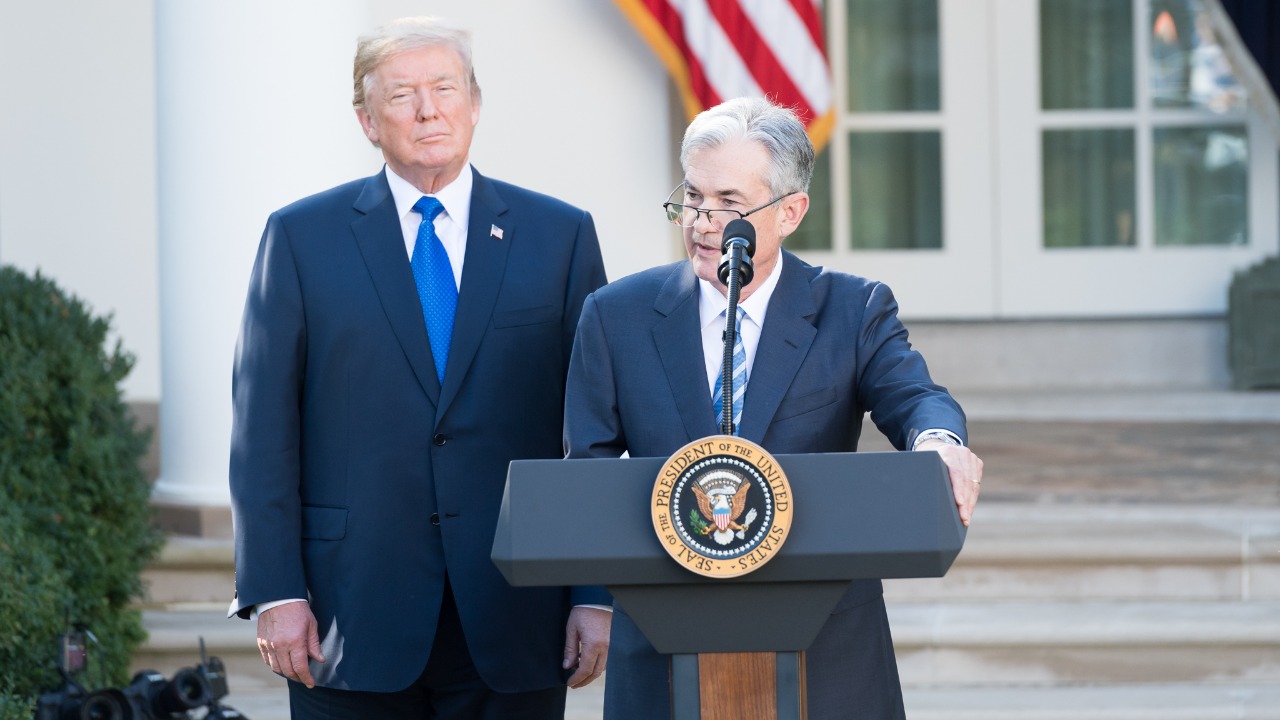
President Donald Trump has intensified his calls for the Federal Reserve to cut interest rates to 1%, aiming to stimulate economic growth. While this move could potentially boost spending and investment, it also raises concerns about the potential risks to jobs, savings, and investments in the United States.
The Rationale Behind Trump’s Push for Rate Cuts
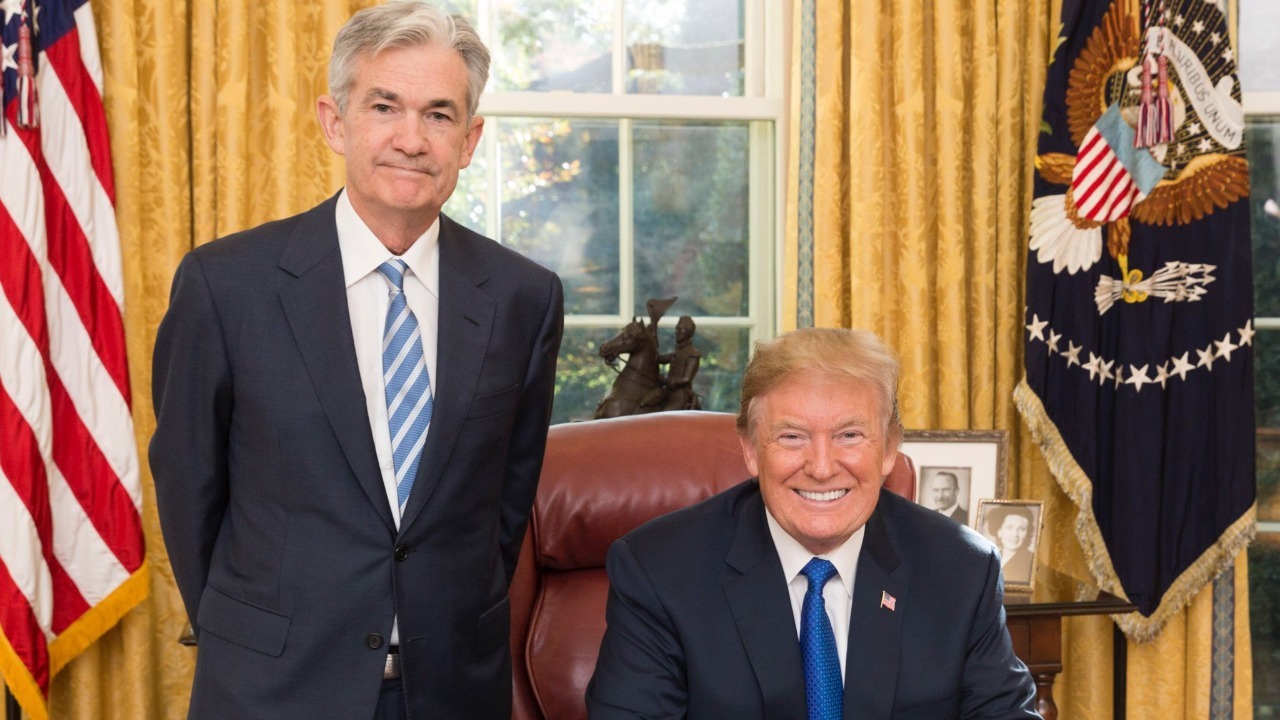
Donald Trump’s economic strategy has often focused on immediate economic growth, and his advocacy for a steep rate cut aligns with this approach. By urging the Federal Reserve to lower interest rates to 1%, Trump hopes to stimulate consumer spending and business investments. Lower interest rates reduce the cost of borrowing, encouraging businesses to invest in expansion and consumers to spend more on big-ticket items such as homes and cars. This, in theory, could lead to a boost in economic activity, potentially increasing GDP growth.
Historically, there have been instances when significant rate cuts have yielded positive short-term outcomes. For example, during the financial crisis of 2008, the Fed slashed rates to near zero to support economic recovery. However, such moves are not without risks. The economic context in 2023 differs from past crises, with the U.S. facing different inflationary pressures and employment dynamics. While the short-term benefits of lowering interest rates to 1% could include increased liquidity in the market and higher consumer confidence, these must be weighed against potential downsides.
Potential Risks to US Jobs

One significant concern with a drastic rate cut is its impact on employment rates and job stability. While lower interest rates can spur economic growth, they also carry the risk of overheating the economy, leading to inflation. High inflation can erode purchasing power, making it difficult for wages to keep up with rising prices. This situation could lead to a cycle where employers face increased labor costs without a corresponding increase in productivity, potentially resulting in job cuts or reduced hiring.
Moreover, there is a risk of creating asset bubbles in sectors like real estate, as lower borrowing costs can inflate asset prices beyond sustainable levels. If these bubbles burst, it could lead to economic instability and job losses, particularly in industries directly tied to the inflated assets. The 2008 housing crisis serves as a cautionary tale of how unchecked asset inflation can lead to widespread economic turmoil and long-term job insecurity.
Impact on Savings and Investments

Lowering interest rates to 1% could have mixed effects on personal savings and investments. On one hand, savers might find themselves earning less on their deposits, as interest rates on savings accounts typically follow the Fed’s lead. This could discourage saving, reducing the capital available for future investments. For those relying on interest income, such as retirees, lower rates could necessitate adjustments in financial plans, pushing them towards riskier assets to achieve desired returns.
Investors in fixed-income securities, such as bonds, may also face challenges. As interest rates fall, existing bondholders benefit from price increases, but those looking to purchase new bonds will find lower yields. This could shift investor behavior towards equities or other investment vehicles, potentially increasing volatility in the stock market. Real estate investments might initially benefit from lower mortgage rates, boosting property demand. However, as seen in past cycles, if the market becomes overheated, it could lead to future corrections, impacting long-term returns.
The Federal Reserve’s Perspective
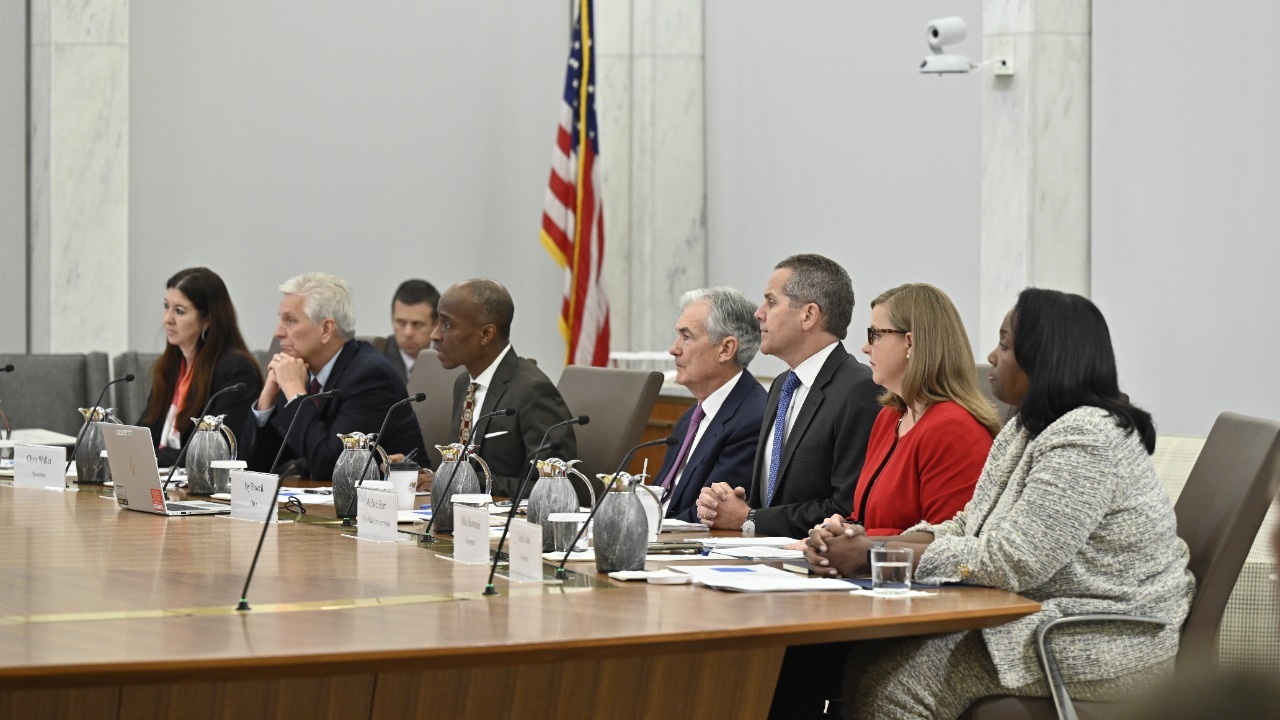
The Federal Reserve operates with a dual mandate: to foster maximum employment and stable prices. In recent statements, the Fed has shown caution in adjusting interest rates too swiftly, especially in response to political pressure. The current economic indicators, including employment figures and inflation rates, guide the Fed’s decisions on monetary policy. A rapid rate cut to 1% could potentially conflict with the Fed’s goal of maintaining economic stability.
Political pressure on the Federal Reserve to alter its course could undermine its credibility and independence, leading to unintended consequences in the long term. By maintaining a balanced approach, the Fed aims to ensure that any rate adjustments are data-driven rather than politically motivated. The potential long-term repercussions of succumbing to external pressures include inflationary spirals or destabilized financial markets, both of which could negatively impact economic growth and employment.
Global Economic Implications

A significant U.S. rate cut could reverberate through global financial markets, impacting international trade and monetary policy. Other central banks might feel compelled to adjust their rates to remain competitive, leading to a chain reaction of rate cuts globally. Such movements could destabilize currency markets and heighten the risk of a currency war, where countries devalue their currencies to gain trade advantages.
Global economic partners may react to a U.S. rate cut with mixed strategies, balancing their own economic needs against the pressures of maintaining stable exchange rates. For instance, countries heavily reliant on exports to the U.S. might adjust their financial policies to counter any adverse effects on trade balances. The interconnected nature of modern economies means that significant monetary policy shifts in one country can have widespread ripple effects, influencing everything from commodity prices to international investment flows.
In summary, while the idea of reducing interest rates to 1% might offer immediate economic stimuli, it is crucial to consider the broader consequences such a move could entail. The potential risks to jobs, savings, and investments, alongside the global economic implications, highlight the complexity of monetary policy decisions. As the Federal Reserve navigates these challenges, maintaining a careful balance between growth and stability remains paramount.

Grant Mercer covers market dynamics, business trends, and the economic forces driving growth across industries. His analysis connects macro movements with real-world implications for investors, entrepreneurs, and professionals. Through his work at The Daily Overview, Grant helps readers understand how markets function and where opportunities may emerge.

