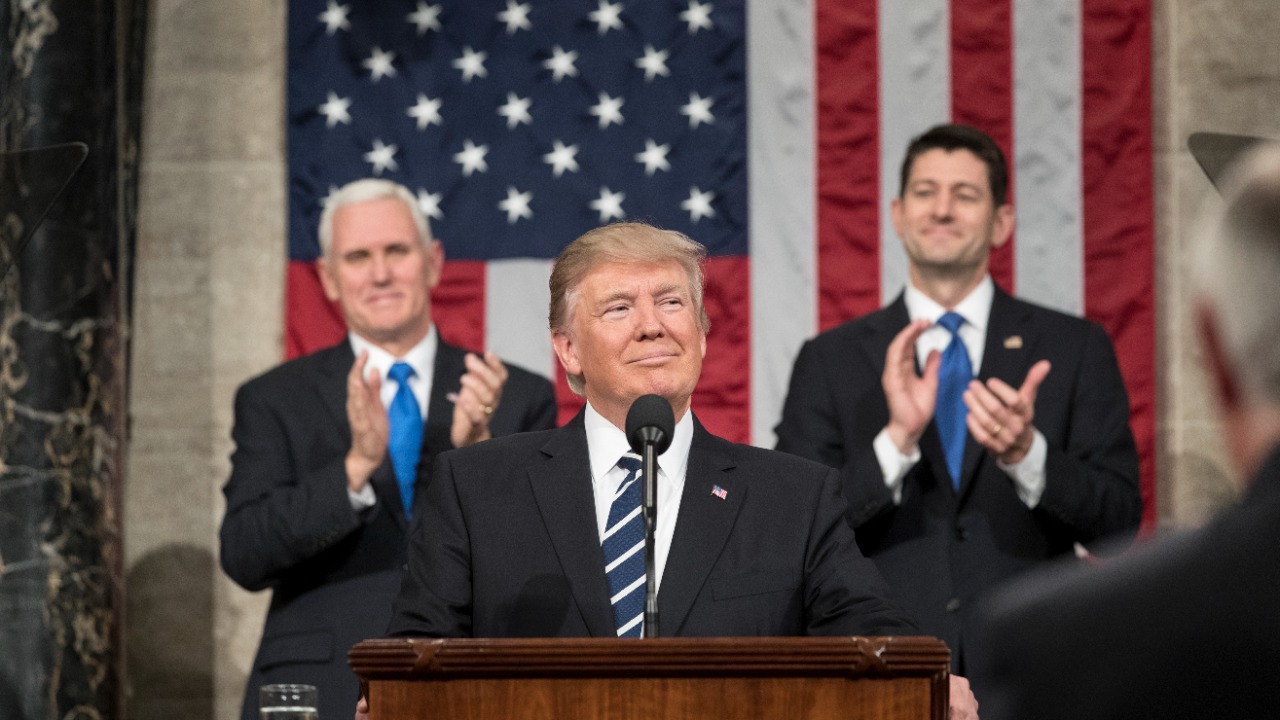
President Donald Trump has recently vowed to tackle the issue of surging beef prices, promising a deal that would lead to a reduction in costs “pretty soon.” During a public appearance, Trump assured the audience that a deal is in place to address the escalating prices, which have become a significant concern for American consumers. This pledge comes as beef prices have soared to over $18 a pound, further entangling Trump in ongoing debates about food costs, following earlier controversies over egg prices. His promise echoes a previous commitment to lower grocery prices “on Day One” of his administration, a pledge that has faced scrutiny as prices have continued to rise.
Trump’s Latest Vow on Beef Prices
In a recent public statement, President Trump declared that beef prices would decrease “pretty soon” due to an existing deal. This announcement, made on October 17, 2025, highlights his administration’s efforts to address the issue of rising beef costs. Trump emphasized that the deal would have an imminent impact on consumers, aiming to alleviate the financial burden on households struggling with food inflation. The promise of a specific deal to lower beef prices was initially announced on October 16, 2025, underscoring the administration’s focus on economic relief for consumers.
Trump’s assurance comes at a time when beef prices have become a focal point of economic discussions. By emphasizing the deal’s potential benefits, Trump aims to reassure the public that his administration is actively working to mitigate the impact of rising food costs. The promise of relief is particularly significant given the widespread concern over affordability and the broader implications for American households.
Escalating Beef Prices Under Scrutiny
The surge in beef prices, which reached over $18 a pound by August 19, 2025, has placed the issue under intense scrutiny. This dramatic increase has drawn attention to the broader trends of food inflation affecting American consumers. The rising costs have also entangled President Trump in economic debates, particularly following earlier controversies over egg prices. As beef prices continue to climb, the administration faces mounting pressure to address the underlying causes and provide effective solutions.
The escalation of beef prices is part of a larger trend of food inflation that has been impacting households across the United States. This trend has significant implications for consumers, as it affects their ability to afford essential goods. The administration’s response to these challenges will be closely watched, as it seeks to balance economic policies with the needs of everyday Americans.
Earlier Promises on Grocery Costs
President Trump’s pledge to lower grocery prices “on Day One” of his administration has been a point of contention, particularly as prices have not decreased as anticipated. This promise, made prior to August 10, 2025, was intended to provide immediate relief to consumers facing rising costs. However, the reality has been more complex, with grocery prices continuing to rise despite the administration’s assurances.
The gap between Trump’s initial commitment and the real-world outcomes has raised questions about the effectiveness of his economic policies. While the administration has made efforts to address specific issues, such as beef prices, the broader challenge of grocery affordability remains a significant concern. The ongoing rise in prices highlights the difficulties in achieving the promised reductions and underscores the need for comprehensive strategies to tackle food inflation.
Rising Costs in Beef and Beyond
The increase in beef prices under President Trump’s administration has been documented as part of a broader trend of rising costs. Alongside beef, gas prices have also seen significant increases, contributing to economic pressures on consumers. These dual increases have amplified concerns over everyday affordability, as households grapple with the financial impact of higher prices on essential goods.
The simultaneous rise in beef and gas prices has significant implications for the economy and consumer well-being. As these costs continue to climb, the administration faces the challenge of addressing the root causes and providing effective relief to those affected. The stakes are high, as the ability to manage these economic pressures will play a crucial role in shaping public perception and confidence in the administration’s handling of economic issues.
Overall, President Trump’s promise to lower beef prices reflects a broader effort to address the challenges of rising food costs. While the administration has taken steps to tackle specific issues, the ongoing rise in prices underscores the complexity of the economic landscape and the need for comprehensive solutions. As consumers continue to face financial pressures, the effectiveness of these efforts will be closely scrutinized, with significant implications for the administration’s economic legacy.

Grant Mercer covers market dynamics, business trends, and the economic forces driving growth across industries. His analysis connects macro movements with real-world implications for investors, entrepreneurs, and professionals. Through his work at The Daily Overview, Grant helps readers understand how markets function and where opportunities may emerge.

