
The potential firing of Jerome Powell, Chair of the Federal Reserve, has raised concerns about a looming financial crisis that could cost $58 billion. This decision’s repercussions might be significant, affecting global markets, the U.S. economy, and socio-economic disparities. The impact of Powell’s potential departure underscores the critical role of the Federal Reserve in maintaining economic stability.
The Role of the Federal Reserve in Economic Stability
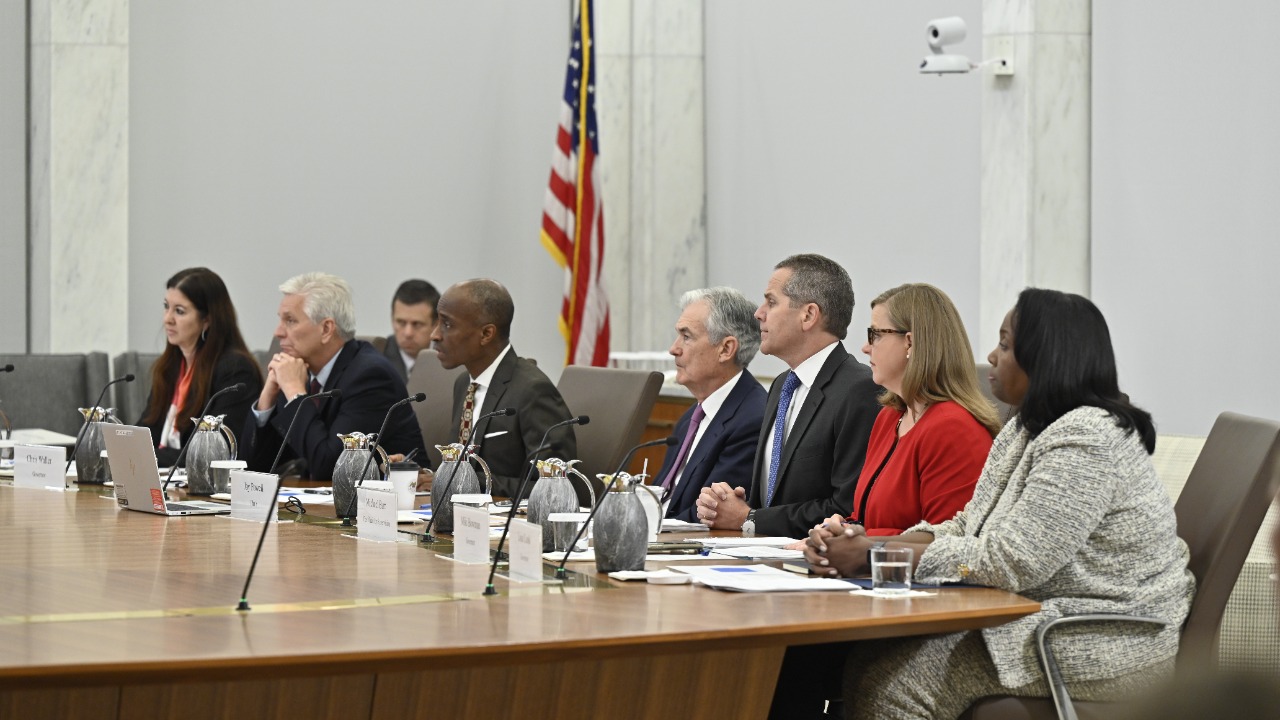
The Federal Reserve, often referred to as the Fed, plays a crucial role in the United States’ economic landscape. Its primary responsibilities include regulating monetary policy, maintaining financial stability, and ensuring maximum employment. By adjusting interest rates and controlling the money supply, the Fed influences inflation rates and economic growth. Over the years, the Fed’s leadership has significantly shaped the U.S. economy, with historical decisions demonstrating its ability to avert or exacerbate crises.
Under Jerome Powell’s tenure, the Federal Reserve has navigated multiple economic challenges, including the COVID-19 pandemic and rising inflation. Powell’s approach has been characterized by a commitment to transparency and gradual interest rate hikes to curb inflation without stifling growth. His policies have been generally well-received, with many economists praising his balanced approach to monetary policy. The Fed’s response to economic volatility during Powell’s leadership has been pivotal in stabilizing markets and maintaining investor confidence.
Potential Consequences of Firing Powell
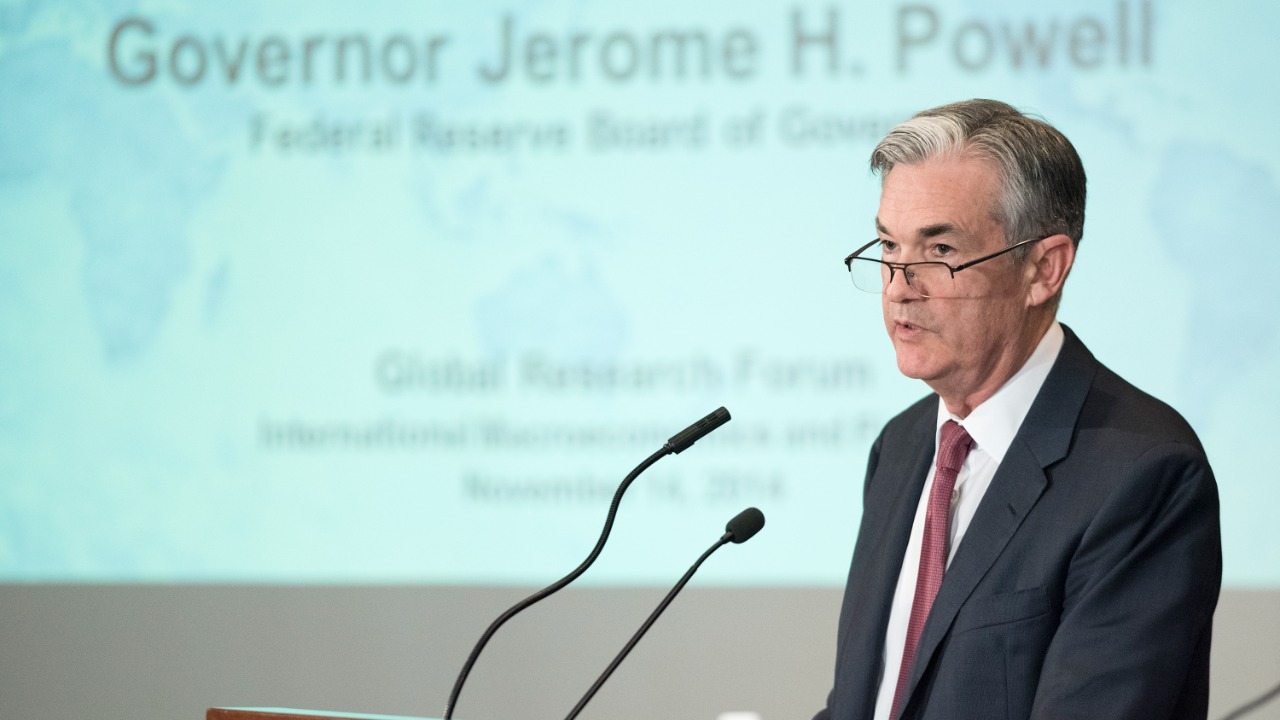
The prospect of Jerome Powell’s removal from office has generated significant concern among market participants. Historically, the abrupt departure of Federal Reserve leaders has led to increased market volatility and uncertainty. Investors often view such changes as a signal of potential shifts in monetary policy, which can lead to fluctuations in stock prices and currency values. Recent examples, such as the market reactions following political interference in central banks globally, highlight the risks associated with sudden leadership changes.
Beyond market reactions, the potential for financial instability is a genuine concern. The $58 billion crisis figure stems from projected losses due to investor panic and market dislocations. Economic experts warn that such a scenario could trigger a downturn, with ripple effects felt across global markets. Factors contributing to this figure include potential capital outflows, currency devaluation, and disruptions in trading activities. The likelihood of this crisis materializing hinges on the extent of market turbulence and the Fed’s ability to reassure investors.
Political Implications and Global Reactions

The decision to potentially remove Jerome Powell is not only an economic issue but also a political one. Political motivations, particularly from administrations seeking to influence monetary policy for short-term gains, have historically led to disruptions. An analysis of similar instances in the past reveals that political interference in the Federal Reserve often results in adverse economic outcomes. For example, during the Nixon administration, pressure on the Fed to maintain low interest rates contributed to high inflation in the 1970s.
Globally, the potential firing of Powell could have far-reaching ramifications. The U.S. dollar plays a pivotal role in global markets, acting as the world’s primary reserve currency. A shift in U.S. monetary policy could alter the dollar’s dominance and lead to adjustments in international trade dynamics. International leaders and economic bodies are likely to react to such changes, with potential realignments in global economic policy. The interconnected nature of global markets means that even domestic policy shifts in the U.S. can have widespread implications.
Socio-Economic Impacts

One of the most concerning aspects of potential changes in Federal Reserve leadership is the disproportionate impact on marginalized communities. African Americans and other minority groups often face higher unemployment rates and economic challenges. Recent unemployment reports highlight these disparities, indicating that any economic downturn could exacerbate existing inequalities. Changes in Federal Reserve policy, especially those leading to higher interest rates, could further marginalize these communities by reducing access to credit and increasing job insecurity.
Long-term economic consequences of firing Powell could include shifts in employment trends, inflation rates, and overall economic growth. Policymakers must consider strategies to mitigate negative impacts on vulnerable populations. This includes targeted fiscal policies, social safety nets, and initiatives aimed at reducing inequality. By addressing these socio-economic challenges, the U.S. can work towards a more inclusive and resilient economy.
Looking Ahead: The Future of U.S. Monetary Policy
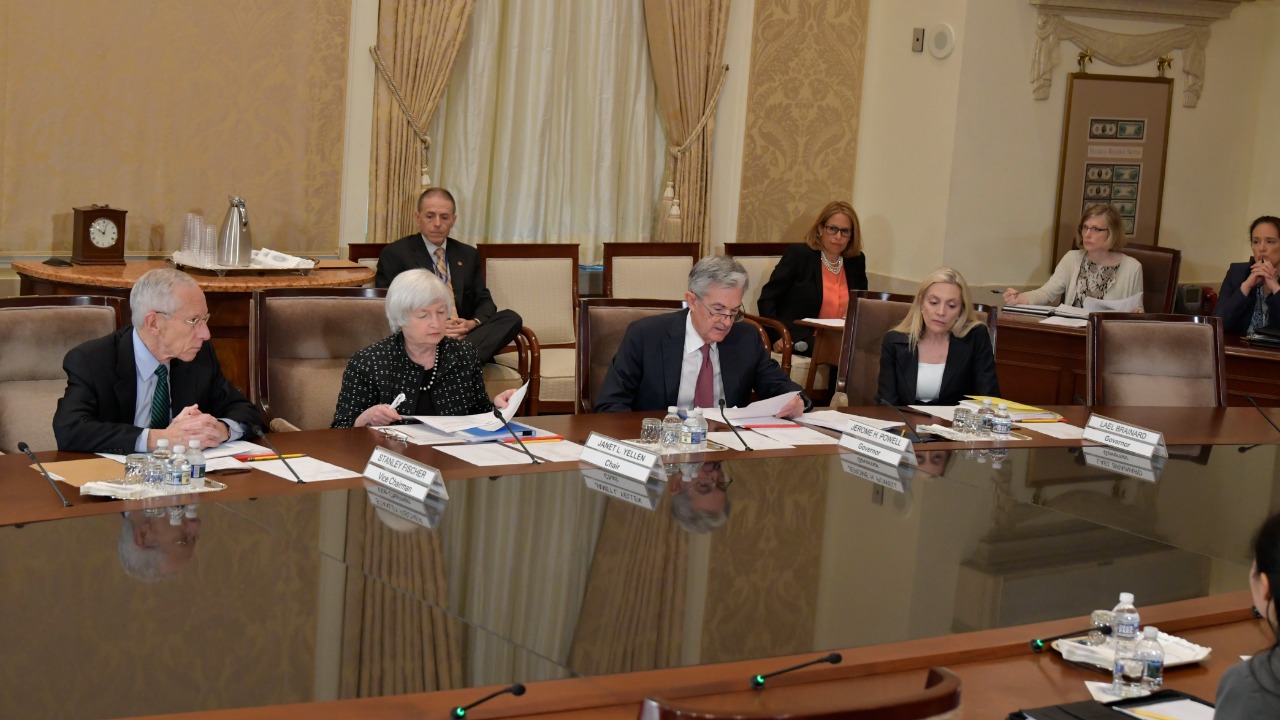
The future of the Federal Reserve, in the event of Powell’s departure, will largely depend on his successor’s economic philosophy. Potential candidates for the role may bring different perspectives on monetary policy, which could lead to significant changes in the Fed’s approach. Speculation about possible successors and their potential impact on monetary policy is already circulating among economic analysts.
Maintaining stability and confidence in the U.S. financial system is paramount, especially during leadership transitions. Strategies to ensure continuity and minimize disruption include clear communication from the Fed and collaboration with international economic bodies. International cooperation is essential in preserving global economic balance, as U.S. monetary policy decisions inevitably affect global markets. As the world watches the unfolding situation, the importance of a steady hand at the Federal Reserve cannot be overstated.

Grant Mercer covers market dynamics, business trends, and the economic forces driving growth across industries. His analysis connects macro movements with real-world implications for investors, entrepreneurs, and professionals. Through his work at The Daily Overview, Grant helps readers understand how markets function and where opportunities may emerge.

