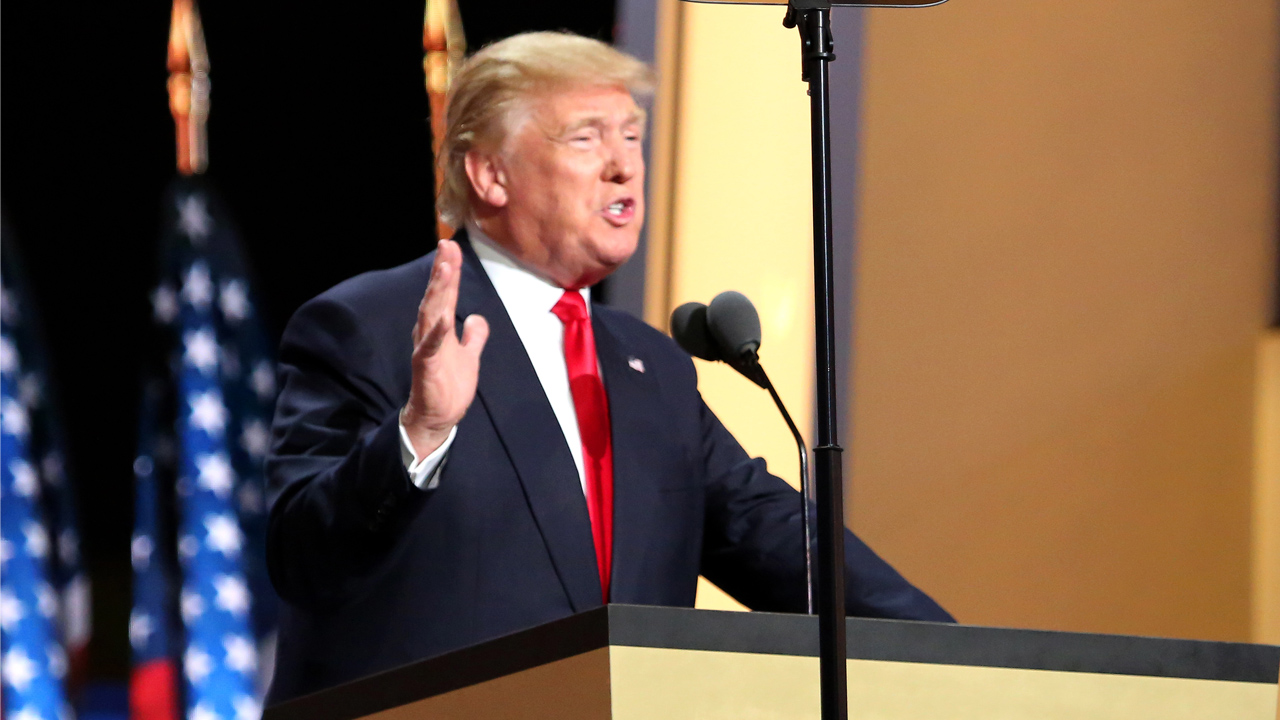
With recent comments from former President Donald Trump suggesting the possibility of a recession this year, many Americans are left wondering about the potential impact on their personal finances. While the economic landscape is always subject to change, understanding the potential consequences of a recession can help individuals and families prepare for financial challenges.
Economic Indicators and Warning Signs
Current economic conditions present a mixed bag of signals. Recent market trends and economic indicators suggest a recession may be on the horizon. For instance, some economists have noted fluctuations in the stock market and shifts in global trade patterns as potential red flags. Insights from financial experts indicate that the likelihood of a recession is becoming more pronounced, with some predicting it might occur in the near future. For a deeper dive into these trends, you can check out what an M Economists are saying about the potential for a recession.
Key warning signs of an impending recession include rising unemployment rates, increasing inflation, and declining consumer confidence. Historically, these factors have been reliable indicators of economic downturns. For example, past recessions were often preceded by similar signs, and the current conditions bear a striking resemblance to those times. An interesting comparison can be drawn from previous recessions, providing a framework for understanding how similar patterns might predict future economic turmoil. For those interested, a detailed list of six warning signs of a recession is available for further reading.
Potential Impacts on Personal Finances
The effect of a recession on employment and income can be significant. Job stability often takes a hit, with companies freezing hiring or laying off workers to cut costs. Wage growth may also stagnate, leaving individuals with less disposable income. To safeguard employment status during economic downturns, it’s advisable to enhance skills, maintain professional networks, and be open to flexible work arrangements.
Consumer spending and saving habits are likely to shift as well. During a recession, many people tend to prioritize saving over spending, altering their financial priorities to accommodate economic uncertainties. Adjusting your budget by cutting unnecessary expenses and focusing on saving can help weather these challenges. Understanding how a recession can alter consumer behavior is crucial, as it allows for strategic financial planning and better management of resources during tough times.
Stock Market and Investment Considerations
Historically, the stock market’s performance during recessions has varied. Past recessions, such as those in 2008 and earlier, resulted in significant downturns in stock market returns. However, the recovery often followed, albeit at a slower pace. Analyzing how the current market might react based on similar economic conditions can provide valuable insights for investors. For a comparison of how stock markets have performed under different administrations, see how the stock market under Biden has compared to previous years.
Investment strategies during economic downturns require careful consideration. Financial advisors often recommend diversifying portfolios to mitigate risk and maintain a long-term perspective. This approach helps spread risk across various asset classes, potentially cushioning the impact of market volatility. Staying informed and consulting with financial professionals can aid in making sound investment decisions during uncertain times.
Government Policies and Economic Stimulus
Potential government measures to counteract a recession could include fiscal and monetary policies designed to support the economy. These might involve adjustments to interest rates, tax relief, or direct financial assistance to businesses and individuals. Understanding how these policies might affect individual finances and business operations is crucial for planning and adaptation.
The role of past administrations in managing economic crises provides valuable lessons. Comparing economic strategies used by previous administrations, including Trump’s, can offer insights into what measures might be effective. Evaluating the effectiveness of these measures and learning from past experiences can help shape future economic policies and strategies. For those interested in Trump’s approach to wealth building, his book Trump University Wealth Building offers an intriguing perspective.
Preparing for Economic Uncertainty
Building a financial safety net is essential in times of economic uncertainty. An emergency fund can provide a critical buffer against unexpected expenses or loss of income. Tips for reducing debt and enhancing financial security include creating a realistic budget, cutting unnecessary expenditures, and focusing on debt repayment strategies that prioritize high-interest loans.
Long-term financial planning remains vital, even amid economic volatility. Maintaining a financial plan helps individuals stay focused on their long-term goals despite short-term challenges. Numerous resources and tools are available to assist individuals in seeking financial guidance, ensuring they remain on track regardless of economic conditions. Preparing for economic uncertainty requires diligence and proactive management of personal finances, but it is entirely achievable with the right strategies in place.

Cole Whitaker focuses on the fundamentals of money management, helping readers make smarter decisions around income, spending, saving, and long-term financial stability. His writing emphasizes clarity, discipline, and practical systems that work in real life. At The Daily Overview, Cole breaks down personal finance topics into straightforward guidance readers can apply immediately.
