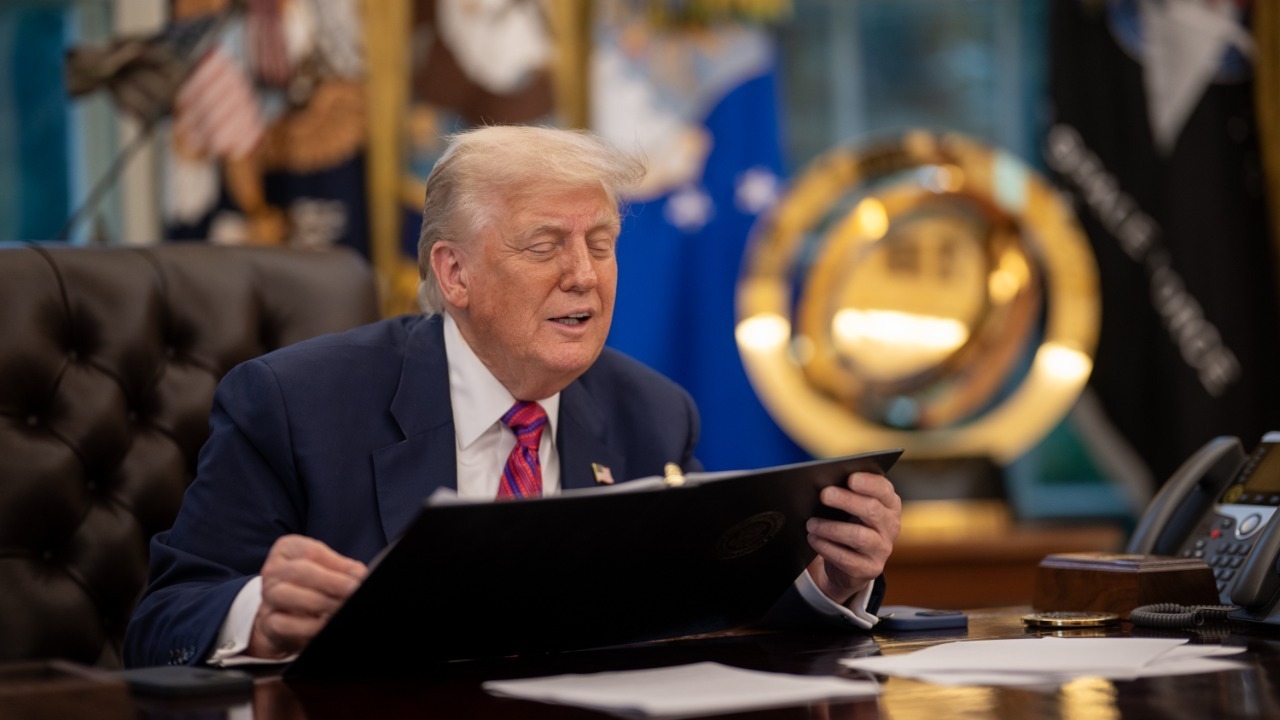
In a recent policy shift, President Donald Trump has introduced a $100,000 fee for H-1B visa applicants, a move that has stirred significant concern among U.S. businesses and South Asian workers. Announced in September 2025, this fee hike is perceived as targeting skilled workers, particularly from South Asia, and has sparked alarm across various sectors. The implications of this policy change are profound, affecting not only the individuals seeking these visas but also the industries that rely heavily on their expertise.
Impact on South Asian Workers

The introduction of the $100,000 fee for H-1B visa applicants has been perceived as discriminatory, disproportionately affecting South Asian professionals who constitute a significant portion of H-1B visa holders. This policy change has been particularly impactful on IT professionals, with many companies finding the cost too prohibitive to sponsor most staff. According to Forbes, the fee hike has led to increased anxiety within the tech industry, especially among Indian workers who are a substantial part of the workforce in this sector.
The tech industry, which heavily relies on skilled workers from South Asia, is feeling the brunt of this policy. As reported by The Economic Times, the cost to companies for sponsoring these visas has become too high, leading to a potential reduction in the hiring of foreign talent. This situation has created a climate of uncertainty and anxiety among South Asian workers, who now face increased barriers to employment in the U.S.
Beyond the immediate financial burden, the fee increase has broader implications for the career trajectories of South Asian workers. Many professionals who have long aspired to work in the U.S. view this policy as a significant barrier to achieving their career goals. The increased cost may deter potential applicants from even considering opportunities in the U.S., thereby limiting the diversity and skill set within American companies. As noted by Asian Hospitality, the policy could lead to a brain drain, where talented individuals opt for countries with more welcoming immigration policies, thus depriving the U.S. of valuable human capital.
Business Community Reaction

The business community in the U.S. has expressed significant alarm over the new H-1B visa fee. Thousands of businesses fear that this fee will deter skilled workers essential for their operations. According to Newsweek, the tech industry is particularly concerned about a potential talent drain, as the high costs associated with the new fee could discourage companies from hiring foreign workers.
Some businesses are warning of a deferred impact, suggesting that the fee could lead to long-term talent shortages. This concern is echoed by The Hindu, which reports that while some clarification from the U.S. government has calmed nerves in tech circles, the underlying fear of a talent shortage remains. The potential for reduced innovation and competitiveness in the global market is a significant worry for these businesses.
In addition to concerns about talent shortages, businesses are also worried about the ripple effects on innovation and competitiveness. The tech industry, in particular, fears that the inability to attract top international talent could slow down technological advancements and diminish the U.S.’s role as a leader in global tech innovation. Companies are considering alternative strategies, such as increasing investment in domestic training programs or expanding operations overseas, to mitigate the impact of the fee. This shift could lead to a realignment of business strategies, with potential long-term effects on the U.S. economy.
International Response and Opportunities
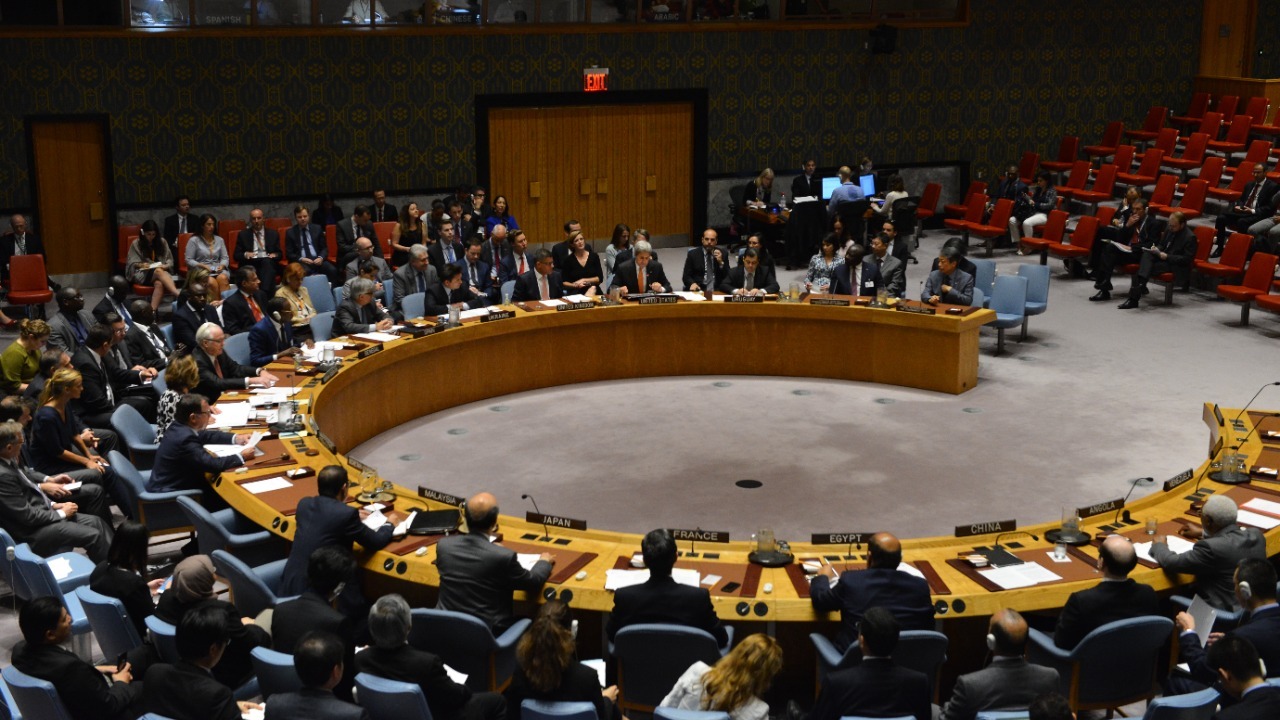
In response to the U.S. policy change, countries like Germany, the UK, and Canada are actively courting Indian tech talent by offering more predictable immigration rules. This strategic move positions these countries as attractive alternatives for skilled workers seeking opportunities abroad. As reported by The Times of India, these nations are rolling out the red carpet for India’s tech talent, emphasizing the stability and predictability of their immigration policies.
This international response highlights the global competition for skilled labor and the potential for the U.S. to lose its edge in attracting top talent. By offering more favorable conditions, these countries are not only filling the gap left by the U.S. but are also enhancing their own technological sectors by integrating highly skilled professionals into their economies.
These international efforts to attract skilled workers are not limited to the tech sector alone. Countries are also enhancing opportunities in other high-demand fields such as healthcare, engineering, and academia. By offering streamlined visa processes and incentives, these nations are positioning themselves as attractive destinations for global talent. This proactive approach not only addresses their own labor shortages but also strengthens their economic and technological capabilities. The global competition for skilled workers underscores the importance of immigration policies that balance national interests with the need to remain competitive in a rapidly evolving global market.
Policy Details and Implications
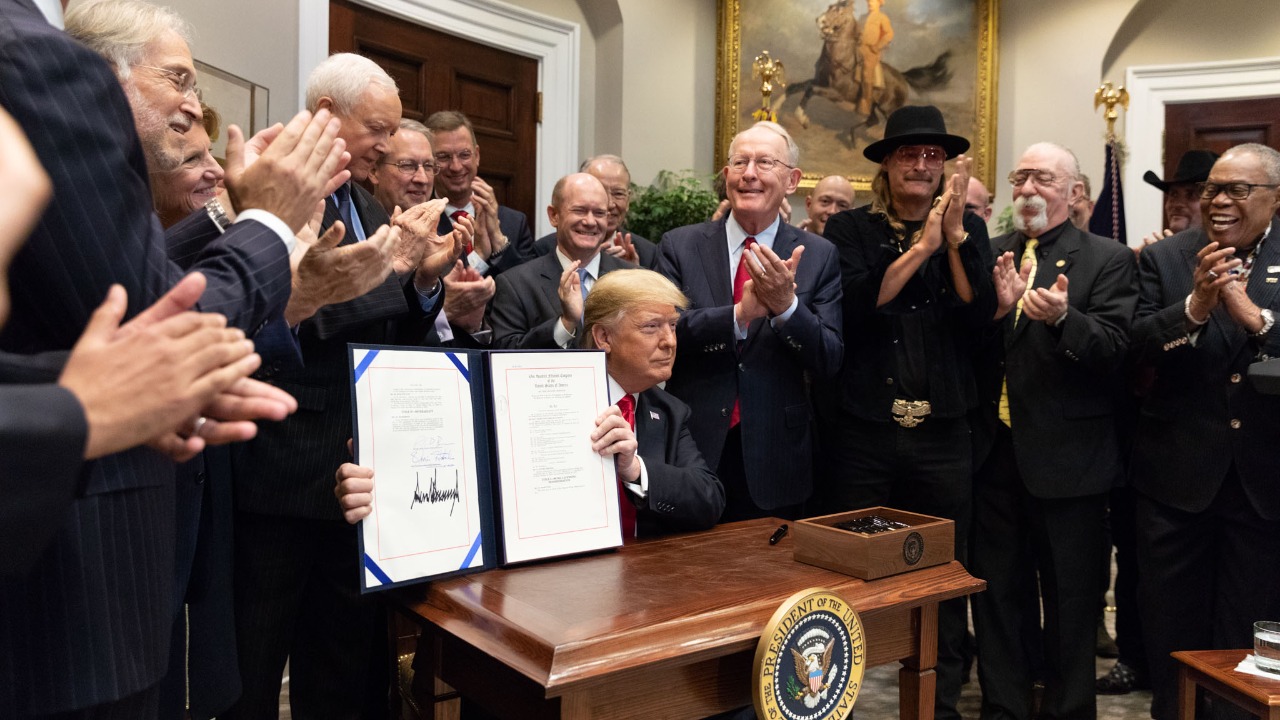
The $100,000 fee applies to all H-1B visa applicants, significantly raising the cost for companies sponsoring foreign workers. This fee is part of a broader strategy by President Trump to reduce dependency on foreign labor, aligning with his immigration policy goals. According to The Independent, this policy is intended to encourage the hiring of domestic workers, although critics argue it could undermine the U.S.’s competitive edge in the global tech industry.
Critics of the policy, as noted by BBC, argue that the fee could have adverse effects on the U.S. economy by limiting access to a pool of highly skilled workers who contribute significantly to innovation and growth. The tech industry, which is heavily reliant on H-1B visas, may face challenges in maintaining its position as a leader in global innovation if these skilled workers are deterred by the high costs of obtaining a visa.
Overall, the introduction of the $100,000 H-1B visa fee represents a significant shift in U.S. immigration policy with wide-ranging implications for both the domestic economy and international labor markets. As the situation evolves, businesses and workers alike will need to navigate the challenges and opportunities presented by this new landscape.

Julian Harrow specializes in taxation, IRS rules, and compliance strategy. His work helps readers navigate complex tax codes, deadlines, and reporting requirements while identifying opportunities for efficiency and risk reduction. At The Daily Overview, Julian breaks down tax-related topics with precision and clarity, making a traditionally dense subject easier to understand.

