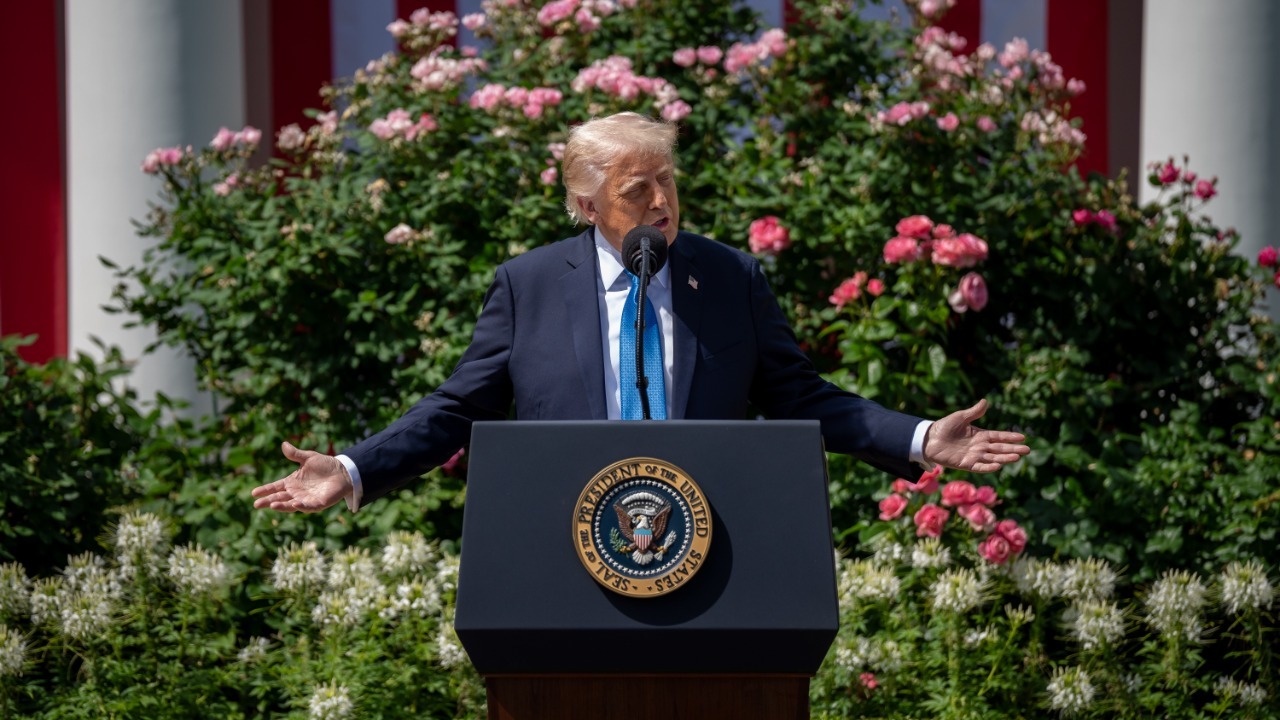
The recent announcement of a $100,000 fee per year for H-1B visas introduced by President Donald Trump has sent ripples through the corporate hiring landscape, particularly impacting the tech industry. The fee, aimed at reshaping immigration and employment practices, is set to influence how companies strategize their hiring and operations both within and beyond Silicon Valley. This move has sparked significant debate and concern among industry leaders and policymakers alike, as they grapple with the potential long-term effects on the U.S. economy and its global competitiveness.
The New H-1B Visa Fee and Its Implications

The introduction of a $100,000 fee for H-1B visas marks a significant shift in U.S. immigration policy. This fee is intended to address concerns related to national security and economic stability, as outlined by Trump. The administration argues that the fee will encourage companies to prioritize hiring American workers and reduce dependency on foreign labor. However, the specifics of the fee have raised questions about its practical implications for businesses that rely heavily on international talent.
Importantly, the White House has clarified that this new fee will not apply to existing H-1B visa holders, alleviating some immediate concerns among current employees and their employers. This clarification, reported by PBS, has provided some relief, but the anxiety remains high as companies assess the long-term impact on their workforce planning. Initial reactions from major tech companies and industry leaders have been mixed, with some expressing concern over the potential increase in operational costs and others questioning the policy’s effectiveness in achieving its stated goals.
Impact on Silicon Valley and the Tech Sector

Silicon Valley, the epicenter of the tech industry, is likely to feel the most immediate impact of the new H-1B visa fee. Companies in this region have long relied on skilled international workers to fill critical roles, and the increased cost of hiring foreign talent could force a reevaluation of recruitment strategies. As reported by Business Insider, tech firms may need to shift their focus towards developing domestic talent pipelines or consider alternative staffing models to mitigate the financial burden.
The new fee structure presents significant challenges in attracting international talent, a cornerstone of innovation and competitiveness in the tech sector. Companies may face difficulties in justifying the additional expense to stakeholders, potentially leading to a decrease in the diversity and expertise of their workforce. This concern is echoed in a report by The Seattle Times, which highlights fears that the fee could undermine the global competitiveness of U.S. tech firms, as they struggle to maintain their edge in a rapidly evolving industry.
Broader Economic and Corporate Effects

While the tech industry is at the forefront of the conversation, the implications of the H-1B visa fee extend beyond Silicon Valley. Other sectors, such as finance and healthcare, also rely on skilled foreign workers and may experience similar challenges in adapting to the new cost structure. The ripple effects of this policy could lead to increased operational costs and potential disruptions in service delivery across various industries.
Small and medium-sized businesses, in particular, may find it more challenging to absorb the financial impact of the fee compared to larger corporations. These companies often lack the resources to compete with industry giants for domestic talent, making them more reliant on international hires. The increased cost could force some businesses to reconsider their growth strategies or even relocate operations to countries with more favorable visa conditions, as suggested by MSN.
Political and Policy Considerations

The motivations behind the $100,000 H-1B visa fee are rooted in concerns over national security and economic stability. As reported by the Times of India, Trump has emphasized the need to prioritize American workers and reduce reliance on foreign labor. This policy aligns with broader efforts to reshape U.S. immigration practices and address perceived vulnerabilities in the labor market.
The decision has sparked a wide range of reactions from lawmakers and industry stakeholders. Some support the fee as a necessary step to protect domestic jobs, while others criticize it as a barrier to innovation and economic growth. The political discourse surrounding the policy is likely to influence future immigration and employment policies, as stakeholders continue to debate the best path forward for the U.S. economy.
Global Response and International Talent Dynamics

The introduction of the H-1B visa fee presents an opportunity for other countries to attract skilled workers who might otherwise have sought employment in the U.S. Nations with more favorable immigration policies could capitalize on this shift, positioning themselves as attractive destinations for international talent. This dynamic could lead to a redistribution of global talent pools, with potential long-term effects on U.S. innovation and economic growth.
Comparative analysis with other visa programs globally highlights the competitive positioning of the U.S. in the international labor market. Countries like Canada and Australia, which offer more accessible pathways for skilled workers, may become increasingly appealing to those affected by the new U.S. policy. The long-term consequences for U.S. innovation and economic growth remain uncertain, but the potential for a brain drain is a significant concern for industry leaders and policymakers alike.

Grant Mercer covers market dynamics, business trends, and the economic forces driving growth across industries. His analysis connects macro movements with real-world implications for investors, entrepreneurs, and professionals. Through his work at The Daily Overview, Grant helps readers understand how markets function and where opportunities may emerge.

