President Donald Trump’s proposal to send households up to $2,000 a year from tariff revenue is being sold as a simple way to turn trade policy into cash in people’s pockets, but the money would not go to everyone. The plan hinges on an income cap that would exclude higher earners and on a complicated pipeline that runs from import taxes to the Treasury and then out to eligible taxpayers. As I walk through the details, the key question is not just who would get a check, but whether the math and mechanics behind those payments actually add up.
How Trump’s tariff “dividend” is supposed to work
At the heart of the proposal is a promise to turn higher tariffs into what the White House is calling a “dividend” for households, with a target of up to $2,000 per year for qualifying families and $1,000 for single filers. The basic idea is that new or increased import taxes would be pooled in a dedicated account at the Treasury, then redistributed as annual payments to Americans under a certain income threshold. In public remarks, Trump has framed this as a way to make foreign producers and governments “pay for” a middle class benefit, rather than raising traditional taxes on U.S. workers or businesses.
Behind that simple pitch sits a more technical structure that resembles a hybrid of a tax rebate and a social benefit. Reporting on the plan describes a system in which tariff receipts would be tallied, a formula would be applied to determine how much can be paid out per eligible person, and the Internal Revenue Service would then deliver the money through the existing tax filing system. Analysts who have reviewed the outline note that the administration is effectively trying to convert trade duties into a recurring cash transfer, a design that raises questions about how stable those revenues would be and how the government would handle years when tariff income falls short of the promised payout, concerns that are already surfacing in detailed breakdowns of the tariff rebate plan.
The income cap that decides who gets a check
The most politically sensitive feature of the proposal is the income cap that would determine eligibility for the full payment. According to descriptions of the plan, the administration wants to limit the benefit to low and middle income households, with the full $2,000 available only to families below a specified adjusted gross income and a reduced or zero benefit for those above it. That structure is meant to echo the phaseouts used in earlier stimulus checks, where the value of the payment shrank as income rose, but the exact thresholds and phaseout rates are central to how many people would actually see the money.
Analysts who have walked through the draft criteria say the administration is considering caps that would exclude a significant share of upper middle income households, particularly dual earner couples in high cost metro areas, while still covering most workers who fall in the broad middle of the income distribution. The details matter: a cap set too low would sharply limit the reach of the program, while a more generous threshold would expand eligibility and drive up the cost. Early breakdowns of who could qualify suggest that the plan would mirror prior pandemic era relief in targeting the bulk of the benefit to households below a defined income band, with specific examples of how the cap would apply to single filers and married couples laid out in analyses of who could qualify.
Who would actually qualify under the current outline
Once the income cap is layered on top of filing status, the universe of potential recipients starts to come into focus. Under the current outline, single taxpayers under the cap would be eligible for up to $1,000, while married couples filing jointly could receive up to $2,000, with heads of household falling somewhere in between depending on their reported income. Families with children would not see a higher base check solely because of dependents, which distinguishes this proposal from child tax credit expansions, although the administration has hinted that future tweaks could adjust the formula for larger households if Congress is willing to add cost.
In practice, that means a single teacher earning a moderate salary, a warehouse worker paid hourly, or a retired Social Security recipient with limited additional income could all qualify for the full amount, while a software engineer or a physician in a high earning bracket would likely see their benefit phased down to zero. The plan would rely on the most recent tax return on file, so eligibility in any given year would track reported income from the prior year, a design that can miss sudden job losses or pay cuts but is consistent with how other tax based benefits are administered. Detailed examples of how these thresholds would apply to different household types, including scenarios for renters, homeowners, and retirees, are already being mapped out in coverage that walks through what to know about the proposed checks.
How the checks would be delivered and when money might arrive
Even if Congress signs off on the concept, the timing and delivery of the payments would depend heavily on the Internal Revenue Service and the Treasury Department. The administration’s outline envisions using the same infrastructure that handled pandemic era stimulus checks, with direct deposit for taxpayers who have bank information on file, paper checks for others, and prepaid debit cards as a backstop. That approach would minimize the need to build new systems, but it would still require the IRS to program new eligibility rules, test them, and coordinate with financial institutions, a process that can take months even when the law is clear.
The calendar is further complicated by the fact that tariff revenue would accumulate over the course of the year, while the payments are being pitched as an annual “dividend” that could arrive on a predictable schedule. Some advisers have floated the idea of tying the checks to tax filing season, so that eligible households would see the credit applied when they submit their returns, while others prefer a separate payout window that feels more like a stand alone benefit. Reporting on the internal debate notes that the administration is weighing whether to send the first wave of payments only after a full year of new tariffs has been collected, or to front load the benefit and rely on projected revenue, a choice that carries budget and political risks that are already being dissected in coverage of when the $2,000 payments could arrive.
The revenue question: can tariffs really fund $2,000 per family?
The most basic test for any cash transfer program is whether the money coming in can cover the money going out, and on that front, Trump’s tariff dividend faces a steep arithmetic challenge. To send $2,000 to tens of millions of households, the federal government would need tens of billions of dollars in reliable annual tariff revenue, on top of the duties it already collects under existing trade laws. The administration has floated a mix of higher tariffs on Chinese imports, broader levies on goods from other countries, and possibly a baseline duty on all imports, but the exact combination is still in flux and would be subject to negotiation with Congress and trading partners.
Independent budget analysts who have tried to match the proposed benefit levels with plausible tariff schedules warn that the numbers are tight, especially if the income cap is set high enough to cover a large share of the population. If tariffs are too narrow, the revenue pool will be too small to sustain the promised checks; if they are too broad or too steep, they risk driving up prices for consumers and provoking retaliation that cuts into trade flows and, by extension, tariff receipts. Detailed estimates of how much money different tariff scenarios could raise, and how that compares with the projected cost of the checks, are already being laid out in breakdowns of the revenue and cost of the plan.
What economists say about the trade offs and hidden costs
Economists who have weighed in on the proposal tend to agree on one core point: tariffs are ultimately paid by someone inside the United States, even if the legal obligation falls on foreign exporters or importers. When the government raises duties on goods like smartphones, cars, or clothing, the higher costs are often passed along to consumers in the form of higher prices, or to domestic businesses that rely on imported parts. That means the same households who would receive a tariff dividend could also face higher bills at the grocery store, the car dealership, or the electronics aisle, blunting the net benefit of the check.
Several experts have also questioned whether it makes sense to tie a recurring benefit to a volatile revenue source that depends on trade volumes and global economic conditions. If a recession or a shift in supply chains reduces imports, tariff revenue could fall just as households are counting on their annual payment, forcing Congress to either cut the checks, borrow more, or raise other taxes. Some analysts argue that if the goal is to support lower and middle income families, more targeted tools like an expanded earned income tax credit or child tax credit would deliver more predictable help without the same trade distortions. These critiques are laid out in detail in fact checking pieces that highlight how experts raise doubts about the sustainability and distributional impact of the tariff dividend.
Political strategy: why the income cap is central to the pitch
From a political standpoint, the income cap is not just a budget tool, it is a way to frame the program as targeted relief for “working families” rather than a universal handout. By promising that the full benefit will go to those under a certain income level, Trump can argue that he is prioritizing people who feel squeezed by inflation and housing costs, while asking higher earners to shoulder more of the burden through higher prices on imported goods. That framing echoes the rhetoric used during the pandemic stimulus debates, when lawmakers emphasized that checks were aimed at those most likely to spend the money quickly and boost demand.
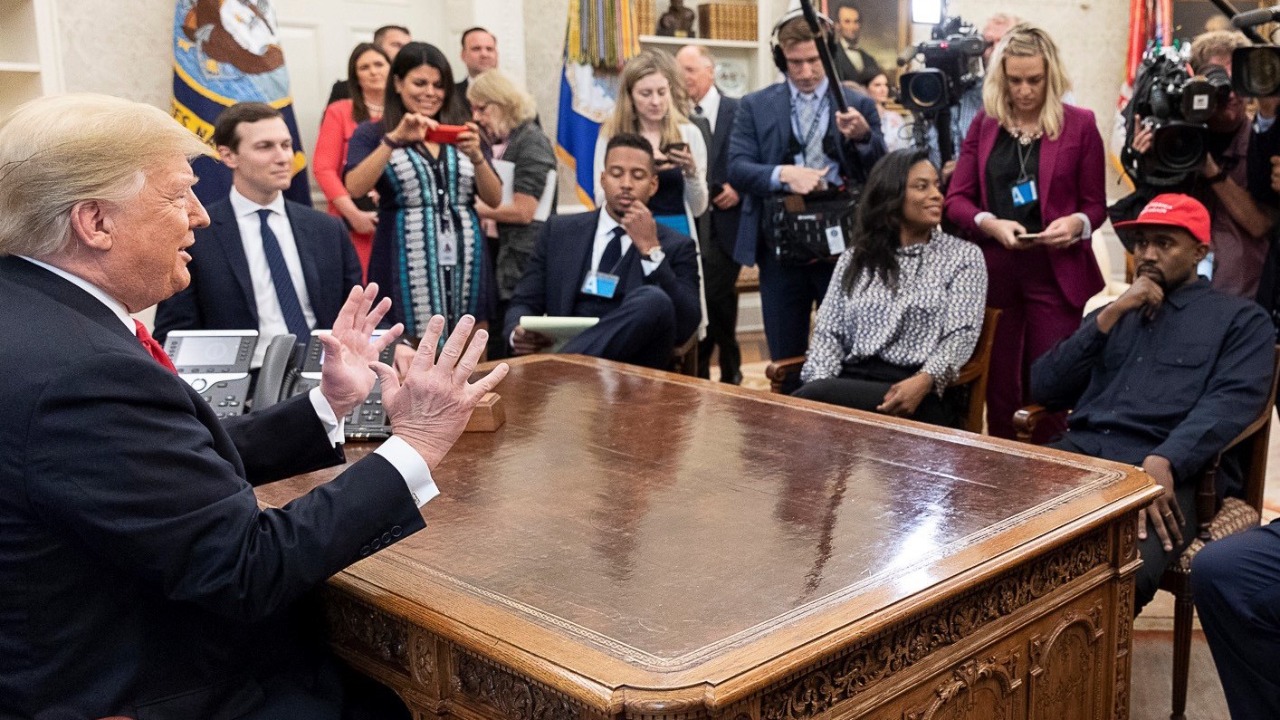
The cap also gives the administration a lever to adjust the politics of the plan as negotiations unfold. If opposition hardens around the total cost, the White House could propose lowering the income threshold or steepening the phaseout to reduce the number of eligible households, while still claiming to protect the “middle class” core of the program. Conversely, if moderates in Congress push for broader coverage, the cap could be raised in exchange for other concessions on tariffs or spending. Trump has already tested some of these arguments in public appearances, including a televised event where he described the payments as a way to “share the gains” from tougher trade policy, a message that featured prominently in a recent speech promoting the dividend concept.
How this compares to past stimulus checks and rebates
For many Americans, the closest reference point for a $2,000 payment from Washington is the series of stimulus checks sent out during the COVID 19 pandemic, which were also tied to income caps and delivered through the tax system. Those payments, however, were funded through general federal borrowing and were explicitly framed as emergency measures to counter a historic economic shock, not as a permanent feature of trade policy. The new proposal borrows the mechanics of those checks, including the use of direct deposit and the reliance on prior year tax returns, but it embeds them in a very different policy logic centered on tariffs and long term revenue streams.
There is also a precedent in earlier tax rebate programs, such as the 2008 stimulus payments that sent up to $600 to individuals and $1,200 to married couples, again with income based phaseouts. Those efforts showed both the power and the limits of one time checks: they provided a short term boost to household finances, but their impact on long term growth and inequality was modest. Analysts who have compared the new tariff dividend to these past episodes note that the income cap and delivery system are familiar, but the reliance on trade duties as the funding source is a significant departure. Historical context on how prior rebates were structured, who qualified, and what happened after the checks went out is already being used to frame expectations for who could qualify this time and how the politics might play out.
What it could mean for growth, inflation, and the broader economy
Beyond household budgets, the tariff dividend proposal raises bigger questions about how it would shape the overall economy in the coming years. Supporters argue that putting up to $2,000 into the hands of lower and middle income families could boost consumer spending, particularly on essentials like rent, groceries, and car payments, which in turn could support job growth in retail, services, and manufacturing. They also contend that using tariffs to fund the benefit could encourage companies to shift production to the United States or to countries with lower duties, potentially reshaping supply chains over time.
Critics counter that the same tariffs that generate the revenue could also push up prices, complicating the Federal Reserve’s efforts to keep inflation in check and eroding some of the purchasing power that the checks are meant to provide. If higher import costs feed through to core goods like appliances, electronics, and vehicles, households might find that their annual dividend only partly offsets the new price tags they face at the store. Economists who have modeled the combined effect of higher tariffs and cash transfers suggest that the net impact on growth could be modest and highly sensitive to how businesses and trading partners respond. Some projections even warn that if trade tensions escalate and global demand slows, the plan could weigh on output in 2026 and beyond, a concern highlighted in analyses of how the $2,000 tariff check might affect growth trajectories.
Why the details of the income cap will decide winners and losers
In the end, the income cap is more than a line on a spreadsheet, it is the hinge on which the entire proposal swings. Set at one level, it could deliver meaningful relief to tens of millions of households who feel squeezed by higher prices and stagnant wages, while keeping the total cost within the bounds of plausible tariff revenue. Set at another, it could either exclude many families who see themselves as middle class or blow a hole in the budget that tariffs alone cannot realistically fill, forcing lawmakers to revisit the design or scale back the promise.
As the debate moves from campaign style speeches to legislative text, the precise thresholds, phaseout rates, and definitions of income will determine who ends up on the winning side of the ledger. A nurse in Phoenix, a truck driver in Ohio, or a single parent in Atlanta could all find themselves just inside or just outside the cutoff, with thousands of dollars at stake over the course of a few years. For now, the broad contours are clear: a capped, income tested payment funded by tariffs, pitched as a way to turn trade policy into a tangible benefit. The real test will come when those contours are translated into law and families see, on their own tax forms, whether the promised dividend shows up as a line item or remains a talking point, a question that will be shaped by the evolving details of Trump’s promise of $2,000 payments.
More From TheDailyOverview
- Dave Ramsey warns to stop 401(k) contributions
- 11 night jobs you can do from home (not exciting but steady)
- Small U.S. cities ready to boom next
- 19 things boomers should never sell no matter what

Julian Harrow specializes in taxation, IRS rules, and compliance strategy. His work helps readers navigate complex tax codes, deadlines, and reporting requirements while identifying opportunities for efficiency and risk reduction. At The Daily Overview, Julian breaks down tax-related topics with precision and clarity, making a traditionally dense subject easier to understand.

