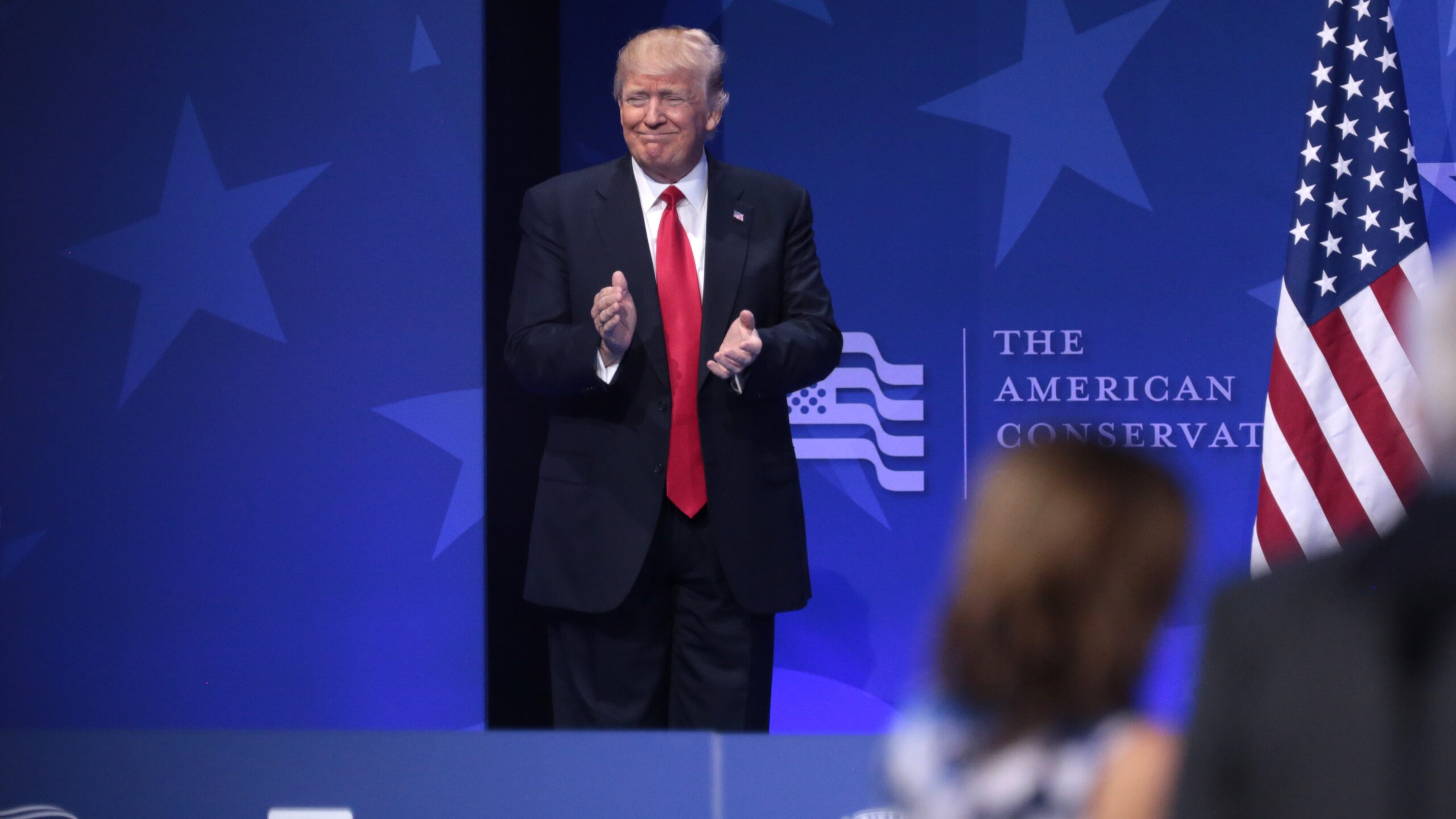
President Donald Trump has staked his second term on a promise to make everyday life cheaper, from rent and mortgages to credit cards and car payments. The White House points to falling housing costs and strong consumer spending as proof that the strategy is working, while critics argue that some of the same ideas could quietly raise risks for the most financially fragile households. The real test is not whether prices move a little this quarter, but whether these policies leave your wallet sturdier or shakier over the next decade.
Looked at together, Trump’s affordability agenda functions less like a single program and more like a toolkit: seed accounts to nudge long term saving, credit caps to rein in interest, tariffs to protect jobs, and new mortgage experiments to widen access to homeownership. I see a common thread running through them. Rather than writing big checks to families, the administration is trying to rewire the rules of the financial system itself, shifting who bears risk and when. That can create real gains for middle class savers, but it can also push more volatility onto people who rely on flexible credit and steady prices just to get through the month.
Housing wins today, housing questions tomorrow
On housing, the administration can point to concrete progress. Officials highlight that the average 30 year fixed mortgage rate has fallen to multi year lows, which has pulled typical monthly payments down and made it easier for renters to consider buying a first home. The White House also says rents have dropped to a four year low, a rare bit of relief after the pandemic era spike that squeezed tenants in cities from Phoenix to Tampa. For a family trying to move from a cramped apartment into a starter house, that combination of cheaper loans and softer rents can feel like a long awaited break.
President Trump’s team credits a broader “whole of government” push for those trends, arguing that lower borrowing costs, multi year low gas prices and record holiday shoppers are all signs that its cost cutting strategy is working for households. In that telling, cheaper housing is not a fluke of the business cycle but the result of deliberate efforts to boost supply and cut red tape so more Americans can “achieve the dream of homeownership” and keep a stable home for generations to come, as described in recent housing updates.
The open question is durability. Earlier reviews of The Trump Administration’s record note that while officials promised to lower grocery prices on Day 1, food costs after 365 days were still hitting record highs, even as the same agenda delivered some of the deepest ever cuts to people’s pantries. That history suggests that lower rents and mortgage rates can coexist with other rising bills, and that today’s housing relief could be offset if tariffs or other policies push up construction costs or property taxes in the years ahead.
Seed accounts and the wealth gap
One of the most novel ideas in Trump’s affordability playbook is a plan to create “Seed” investment accounts for children. The proposal would give every eligible child in America an initial $1,000 from Uncle Sam, topped up by philanthropists, and invest that money for decades. Supporters say that if the accounts earn market level returns, they could grow to several thousand dollars by the time a teenager turns 18 and potentially $10,000 or more over 30 years, giving young adults a cushion for college, a down payment or retirement.
In theory, that kind of early stake could narrow the racial wealth gap and help low income families who have never had access to 529 college plans or brokerage accounts. In practice, the benefits may tilt toward children whose parents already have the time and knowledge to manage investments and avoid early withdrawals. Reporting that tracks Trump’s affordability proposals notes that the Seed idea sits alongside other tax based incentives, which tend to reward those with enough income to save in the first place, rather than the gig workers and hourly employees who struggle to cover rent and groceries. That tension is clear in detailed breakdowns of Trump’s proposals, which show how much of the upside flows to households that can leave money untouched for decades.
Credit card caps and the cost of borrowing
If Seed accounts are a long game, Trump’s push to cap credit card interest rates at around 10 percent is a direct shot at one of the most painful line items in many budgets. The idea is simple. If banks cannot charge 20 percent or more on revolving balances, then families carrying a few thousand dollars of card debt would see their monthly interest charges fall sharply. For someone juggling a $5,000 balance, a lower rate could free up enough cash each month to cover a car repair or a week of groceries.
Critics warn that the math is not so simple. Analysts at one free market think tank argue that history shows this kind of price control tends to shrink access to credit, not just lower its cost, because lenders pull back from riskier borrowers when they cannot charge enough to cover defaults. Their commentary on how In the midst of affordability concerns the Trump administration is reengaging with credit price controls notes that many subprime customers could lose their cards entirely if banks decide they can only afford to serve the most creditworthy clients under a cap, as laid out in their analysis.
Big bank leaders are sounding similar alarms. JPMorgan Chase chief executive Jamie Dimon has warned that the plan would remove credit from the majority of Americans and hit restaurants, retailers, travel firms and schools that depend on card spending, according to coverage of his comments on the proposal. If that prediction holds, the winners would be middle class households with strong credit scores who keep their cards and enjoy lower rates, while gig workers and people with thin credit files could be pushed toward costlier payday loans or buy now, pay later apps. My read is that the policy trades visible relief on interest statements for a quieter but serious risk of exclusion at the bottom.
Tariffs, cars and the squeeze on everyday spending
Another pillar of Trump’s affordability agenda is a set of tariffs aimed at imported autos and parts, pitched as a way to protect American factory jobs and rebuild domestic manufacturing. For workers in Midwestern plants, that promise is powerful. But for anyone shopping for a used Toyota Camry or a new Ford F 150, the key question is whether higher trade barriers will push sticker prices up faster than tax cuts or wage gains can offset them. Cars are already one of the biggest purchases most families make outside of housing, and even a few thousand dollars more on a loan can ripple through a budget for years.
Analysts following Trump’s affordability proposals have flagged that even if you qualify for new deductions or credits, auto tariffs might eliminate the benefit once you factor in the impact of higher car prices. One detailed breakdown notes that, But wait, auto tariffs could wipe out your tax savings and that Even modest increases in vehicle costs can swamp the value of a middle class tax break, especially for buyers who finance over six or seven years, as explained in coverage of auto policy. If that pattern holds, I would expect to see short term gains in factory employment but a drag on consumer spending in other sectors, as households divert more income to car payments and less to restaurants or travel.
More From The Daily Overview
*This article was researched with the help of AI, with human editors creating the final content.

Cole Whitaker focuses on the fundamentals of money management, helping readers make smarter decisions around income, spending, saving, and long-term financial stability. His writing emphasizes clarity, discipline, and practical systems that work in real life. At The Daily Overview, Cole breaks down personal finance topics into straightforward guidance readers can apply immediately.
