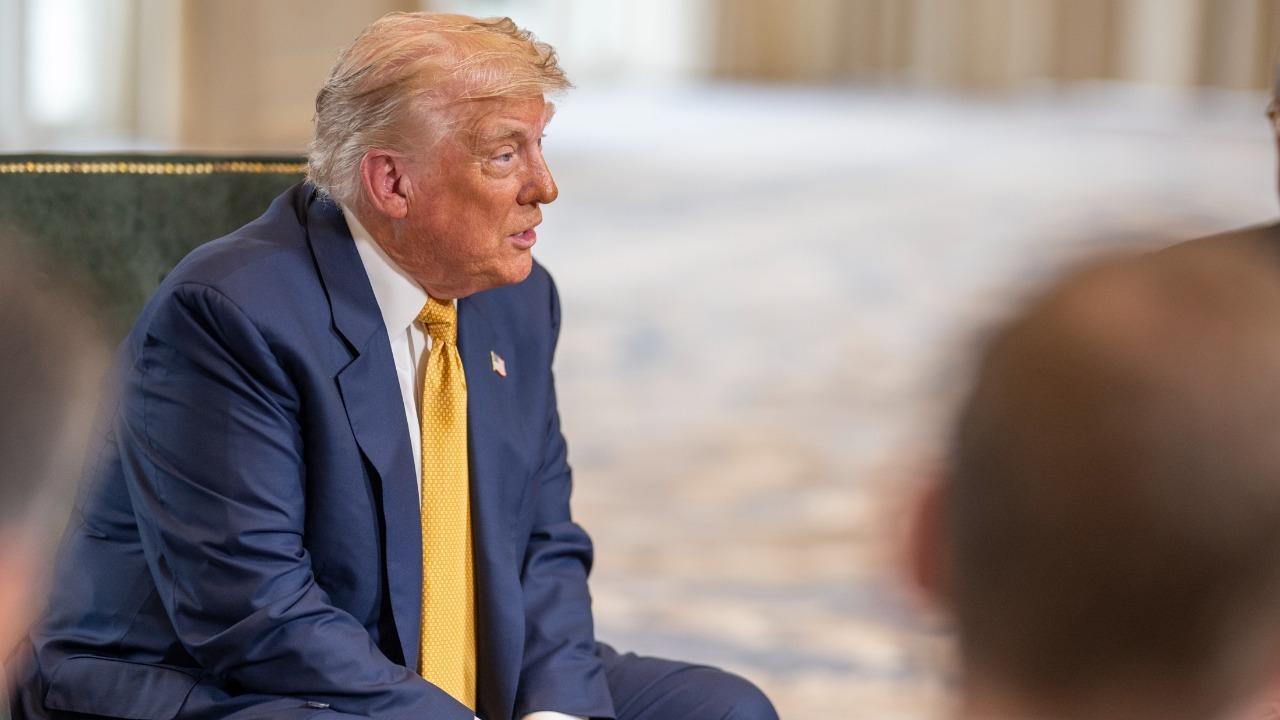
President Trump’s aggressive “breaking-the-China” strategy, aimed at curbing Beijing’s economic dominance through tariffs and supply chain disruptions, has yielded only modest progress in trade talks as of November 4, 2025, despite inflicting widespread global collateral damage on supply chains and markets. Recent reporting highlights a fragile truce in the ongoing trade war, with Chinese President Xi Jinping signaling limited concessions on key issues like rare earth minerals, underscoring the approach’s diminishing returns. This marks a shift from earlier escalations, where bold rhetoric promised swift victories but delivered stalled negotiations and heightened international tensions.
Launch of the Breaking-China Initiative
President Trump’s “breaking-the-China” initiative began with a series of tariff-heavy policies targeting Chinese imports. These measures were framed as a decisive move to reduce U.S. dependencies on Beijing’s manufacturing sector. The administration’s strategy was to leverage economic pressure to force China into making concessions on trade practices deemed unfair by the U.S. government. The initial rollout saw tariffs imposed on a wide range of Chinese goods, with the intention of reshoring American jobs and revitalizing domestic industries.
The reaction from U.S. businesses and international allies was mixed. While some stakeholders welcomed the potential for job creation and reduced reliance on Chinese manufacturing, others were concerned about the immediate ripple effects on global trade flows. Many U.S. companies faced increased costs due to tariffs on imported materials, which in turn affected their competitiveness. Allies expressed apprehension about the potential for a prolonged trade conflict, which could disrupt established supply chains and economic partnerships. For more context on how these policies set the stage for prolonged economic friction, see what happened in the trade war.
Escalating Global Collateral Damage
The unintended consequences of the “breaking-the-China” strategy have been significant, particularly for international supply chains. Tariff retaliations from China led to disruptions in key sectors, including semiconductors and automotive industries in Europe and Asia. These disruptions have caused delays and increased costs, impacting production schedules and profitability. Companies in these sectors have had to navigate a complex landscape of tariffs and trade barriers, which has strained their operations and financial performance.
Developing economies have also felt the impact, with increased costs for raw materials and slowed export growth in countries reliant on U.S.-China trade. Many of these economies depend on stable trade relationships to sustain growth and development. The volatility introduced by the trade war has made it more challenging for these countries to plan and execute economic strategies. The global market volatility tied to the strategy’s fallout signals a change from the pre-2025 stability that many economies had come to rely on.
Stalled Negotiations and the Fragile Truce
Diplomatic exchanges between President Trump and Chinese President Xi Jinping have been a central feature of the trade conflict. The announcement of a truce in November 2025 represents a temporary de-escalation amid ongoing disputes. This truce includes modest concessions from China, such as phased tariff reductions. However, significant barriers remain in areas like intellectual property rights and market access, which have been longstanding points of contention.
The truce reflects limited breakthroughs compared to previous impasses, highlighting the challenges in achieving a comprehensive resolution. While the truce provides some relief from escalating tensions, it does not address the fundamental issues that have fueled the trade war. The details of the trade war truce illustrate the complexity of the negotiations and the difficulty in reaching a lasting agreement.
Rare Earth Minerals as a Flashpoint
China’s dominance in rare earth mineral production has emerged as a significant flashpoint in the trade conflict. These minerals are critical for various industries, including technology and defense. In response to U.S. pressures, China has used export restrictions on rare earths as a countermeasure, affecting global supply chains and highlighting vulnerabilities in the U.S. strategy.
The U.S. has sought to diversify its sources of rare earth minerals, pursuing new deals with countries like Australia and incentivizing domestic mining. However, these efforts have yet to fully mitigate the risks associated with China’s control over the market. The ongoing vulnerabilities underscore the challenges in reducing dependency on Chinese rare earths. President Xi’s stance on rare earths has evolved into a symbol of the strategy’s modest gains, as detailed in Xi’s rare earth stance.
More From TheDailyOverview
- Dave Ramsey warns to stop 401(k) contributions
- 11 night jobs you can do from home (not exciting but steady)
- Small U.S. cities ready to boom next
- 19 things boomers should never sell no matter what

Grant Mercer covers market dynamics, business trends, and the economic forces driving growth across industries. His analysis connects macro movements with real-world implications for investors, entrepreneurs, and professionals. Through his work at The Daily Overview, Grant helps readers understand how markets function and where opportunities may emerge.

