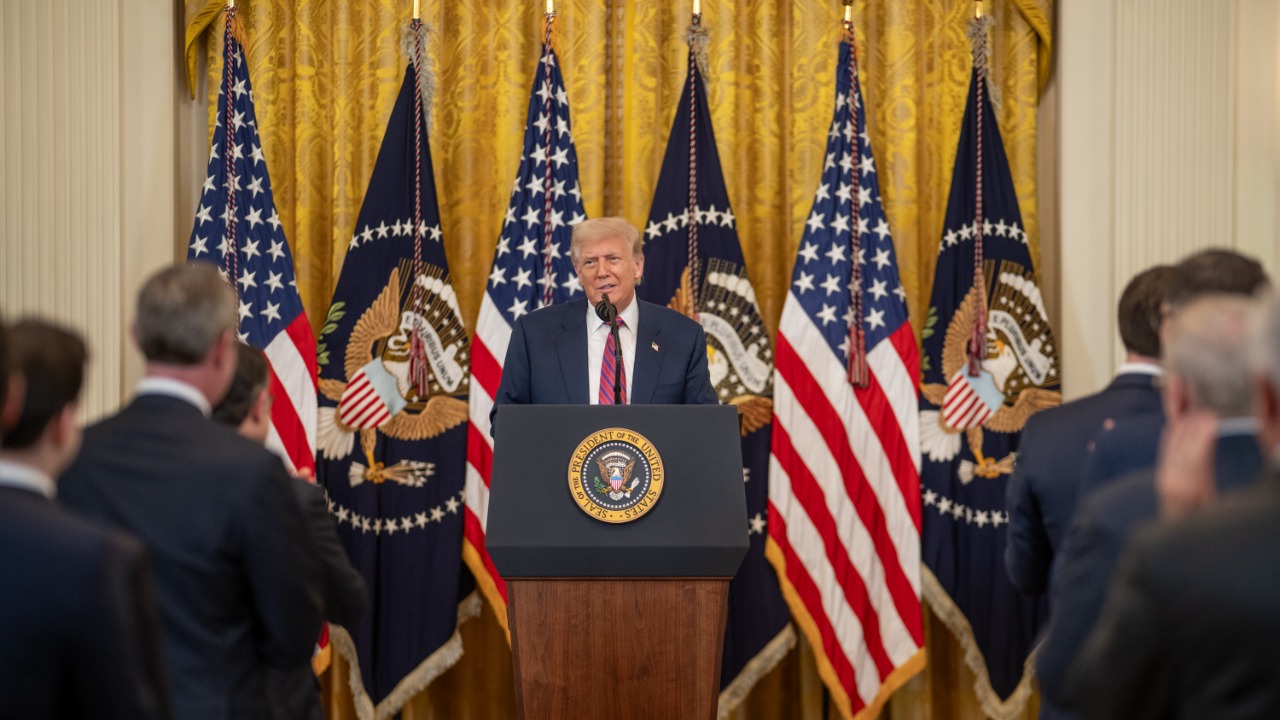
President Donald Trump’s proposed 100% tariffs on Chinese imports could significantly impact U.S. consumers by doubling prices on everyday goods such as electronics and clothing. Economic analyses suggest that these tariffs would directly pass through to retail prices, with Goldman Sachs estimating that American consumers would bear 55% of the tariff expenses. Pittsburgh-based economist Chris Ruhl has highlighted that such tariffs on China, the U.S.’s largest trading partner, would disrupt supply chains without achieving the intended manufacturing gains.
Trump’s Tariff Proposal Explained

President Trump’s 100% tariff plan targets all Chinese goods, marking a significant escalation from previous tariffs. Announced in April 2025, this proposal expands beyond the earlier 25% duties on select items, intensifying the ongoing trade tensions between the U.S. and China. According to Fortune, the plan builds on the existing U.S.-China trade tensions, which were notably heightened during the 2018-2019 trade war. This earlier conflict already added $80 billion in annual costs, underscoring the potential financial impact of the new tariffs.
Trump’s rationale for the tariff increase centers on protecting American jobs and reducing the $375 billion U.S.-China trade deficit. As reported by Yahoo Finance, the administration believes that these measures will encourage domestic manufacturing and address trade imbalances. However, critics argue that the tariffs could instead lead to higher costs for consumers and businesses, potentially negating any economic gains.
Direct Impact on Consumer Prices

The proposed 100% tariffs could lead to a dramatic increase in the price of imported Chinese products, with some items potentially doubling in cost. For example, smartphones currently priced at $1,000 could rise to $2,000, while apparel costs could similarly double for items sourced from China. Money Talks News highlights these potential price hikes, emphasizing the direct impact on consumers’ wallets.
Goldman Sachs estimates that consumers will bear 55% of the tariff costs, with only 25% absorbed by importers. This means that the majority of the tariff expenses will be reflected in retail prices, further exacerbating inflation in key sectors. Categories such as toys and furniture, where China supplies 80% of U.S. imports, are particularly vulnerable, with projected price increases ranging from 50% to 100% as noted by CBS News.
Expert Economic Assessments

Pittsburgh economist Chris Ruhl explains that tariffs function as a consumption tax, disproportionately affecting lower-income households who spend more on tariff-impacted goods. This insight, reported by CBS News, underscores the regressive nature of tariffs and their potential to widen economic inequality.
Goldman Sachs’ modeling suggests that the tariffs could lead to a 0.5-1% rise in overall U.S. inflation, with a long-term GDP reduction of 0.2% annually. These economic forecasts, detailed by Yahoo Finance, highlight the broader economic implications of the tariff policy. Additionally, shifting production to countries like Vietnam or Mexico could still result in cost increases of 20-30% due to higher wages, as noted by Money Talks News.
Broader Trade and Global Ramifications
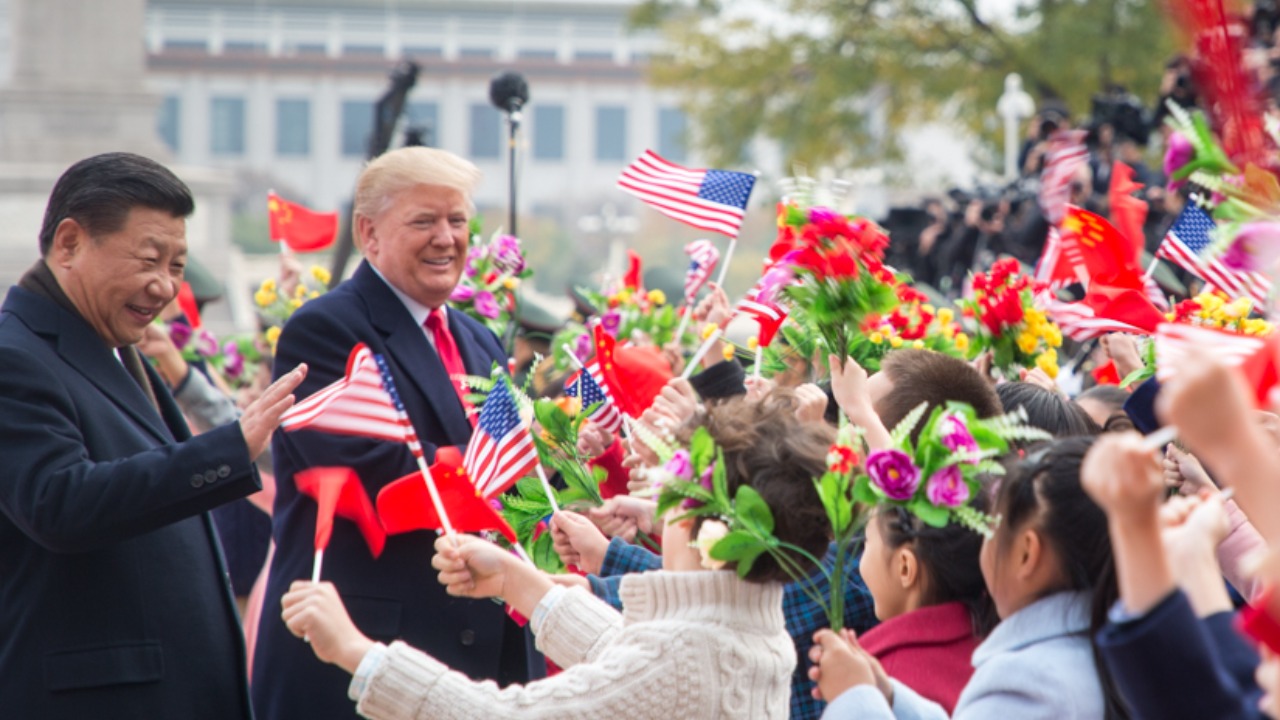
The survival of U.S.-China trade under 100% tariffs is uncertain, with Fortune reporting that bilateral trade volume could drop by 50% from current levels of $575 billion. This potential decline underscores the significant impact that such tariffs could have on global trade dynamics.
Retaliatory measures from China are also a concern, with the possibility of 100% tariffs on U.S. agricultural exports like soybeans, which are valued at $14 billion annually. The New York Times highlights these risks, noting that such actions could further strain U.S.-China relations and impact American farmers.
Additionally, the tariffs could have spillover effects on U.S. allies, such as Canada and Mexico. Under the USMCA, tariffs on these countries could compound costs, with a proposed 25% tariff potentially adding $2,000 per household annually, according to the New York Times. These broader implications highlight the complex and far-reaching consequences of the proposed tariff policy.

Grant Mercer covers market dynamics, business trends, and the economic forces driving growth across industries. His analysis connects macro movements with real-world implications for investors, entrepreneurs, and professionals. Through his work at The Daily Overview, Grant helps readers understand how markets function and where opportunities may emerge.

