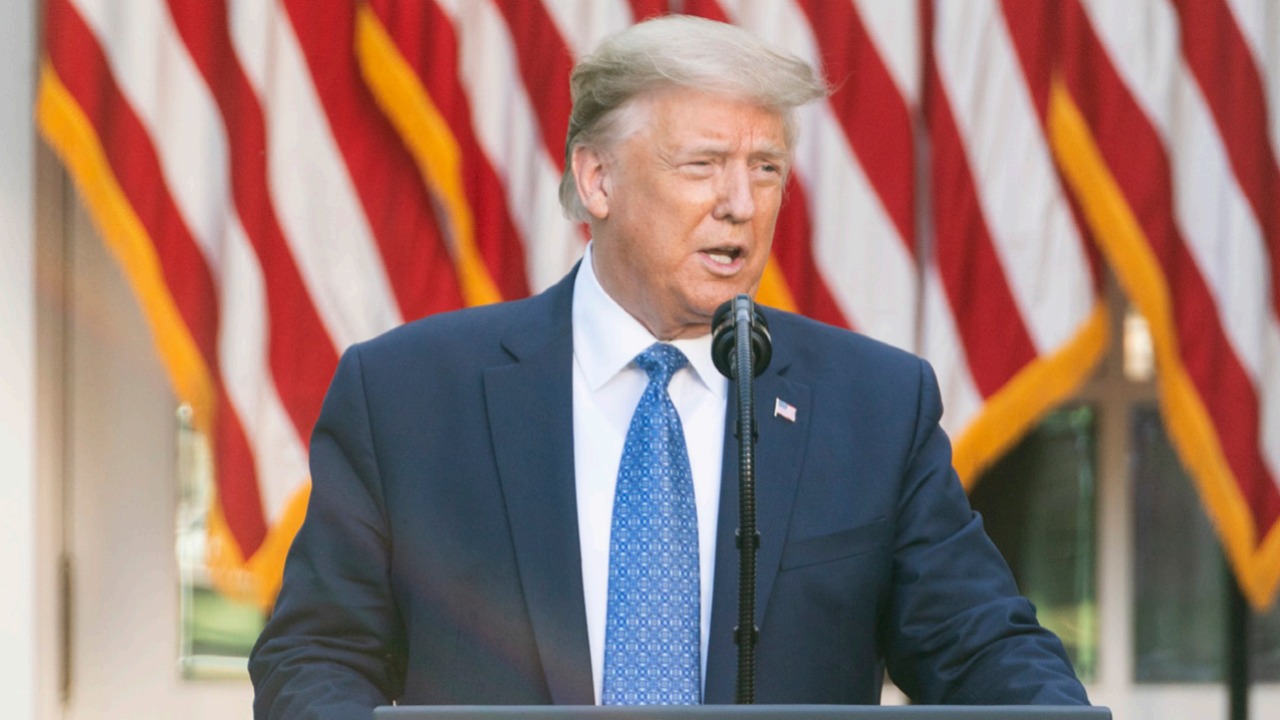
On November 16, 2025, President Donald Trump issued a threat targeting Chinese cooking oil, which sent shockwaves through global markets. This statement led to a staggering $450 billion erasure from the S&P 500’s value in mere minutes, according to a market watcher. Investors are now grappling with how political rhetoric can swiftly impact portfolios, underscoring the need for proactive risk management in an election-charged environment.
The Trigger: Trump’s Statement on Chinese Cooking Oil
During a public appearance, Trump made a statement that unexpectedly escalated trade tensions between the U.S. and China. His remarks specifically targeted Chinese cooking oil, a staple import, and revived fears of potential tariffs on everyday goods. The phrasing of his threat was direct and pointed, causing immediate concern among investors and market analysts. This unexpected move highlighted the fragile nature of U.S.-China relations, especially concerning trade policies that affect consumer goods.
The broader implications of Trump’s statement were significant. It not only stirred fears of a renewed trade war but also prompted swift reactions from Chinese officials and industry groups. These stakeholders expressed concern over the potential economic fallout, emphasizing the importance of stable trade relations. A market watcher attributed the market drop directly to this political jab, illustrating how sensitive the financial markets are to geopolitical tensions.
Immediate Market Fallout on the S&P 500
The S&P 500 experienced a dramatic $450 billion loss in value within minutes of Trump’s statement. This rapid sell-off was captured in tick-by-tick data, showcasing the velocity at which investors reacted to the political threat. The sectors hit hardest included consumer goods and agriculture, which are directly linked to trade with China. The market watcher noted that political risk amplification was a key factor in the decline, as investors scrambled to reassess their positions in light of the new threat.
Despite the initial shock, there were signs of a short-term recovery in the S&P 500 following the drop. Some sectors began to rebound, although the $450 billion figure remained a stark reminder of the impact political statements can have on the market. This incident underscored the importance of understanding and managing political risks, as even a brief statement can lead to significant financial consequences.
Navigating Political Risks in Your Portfolio
To buffer against sudden political shocks like the Chinese cooking oil threat, diversification is key. Investors should consider reallocating their portfolios away from trade-sensitive sectors, as demonstrated by the S&P 500’s vulnerability. This strategy can help mitigate the impact of unexpected political developments on investment returns.
Monitoring tools and alerts for real-time political news are essential for proactive risk management. The minutes-long $450 billion drop in the S&P 500 serves as a case study in why hedging strategies, such as options or international exposure, are crucial. By staying informed and prepared, investors can better navigate the uncertainties of political rhetoric.
Rebalancing portfolios after events like the November 16, 2025, incident is also important. The market watcher suggested viewing politics as a “grease” on portfolios that requires regular maintenance to avoid wipeouts. By taking these steps, investors can protect their assets from the volatile nature of political discourse and its impact on the financial markets.
More From TheDailyOverview
- Dave Ramsey says these two simple questions show whether you’re rich or poor
- Retired But Want To Work? Try These 18 Jobs for Seniors That Pay Weekly
- IRS raises capital gains thresholds for 2026 and what’s new
- 12 ways to make $5,000 fast that actually work

Grant Mercer covers market dynamics, business trends, and the economic forces driving growth across industries. His analysis connects macro movements with real-world implications for investors, entrepreneurs, and professionals. Through his work at The Daily Overview, Grant helps readers understand how markets function and where opportunities may emerge.

