
Recent economic policies, particularly those initiated during the Trump administration, have significantly impacted the automotive market. With tariffs and trade deals altering the cost structure for car production, consumers could soon face average vehicle prices exceeding $50,000. This development raises concerns about affordability and accessibility in the auto market, prompting a closer look at the factors driving these price increases and their potential effects on the market.
Impact of Tariffs on Car Manufacturing

Increased Production Costs
Tariffs on essential materials like steel and aluminum have placed a considerable financial burden on car manufacturers. These tariffs have raised production costs, forcing companies to pass these expenses onto consumers. As a result, the price tags on new vehicles continue to climb, contributing to the potential for average car prices to surpass $50,000.
Supply Chain Disruptions
Trade policies have disrupted the global supply chain, leading to delays and additional costs for manufacturers. These disruptions have compounded the financial challenges faced by the industry. Automakers are finding it necessary to reevaluate their supply chains, often at significant expense, to adapt to these policy changes. The result is a ripple effect through the industry, with consumers ultimately bearing the cost.
Manufacturer Responses
In response to these challenges, car manufacturers are adopting various strategies. Many are shifting production locations and seeking alternative supply chain solutions to mitigate the impact of tariffs. Some companies are even investing in domestic production facilities to reduce their reliance on imported materials. These strategic adjustments are crucial for maintaining competitive pricing in an increasingly challenging market.
Shifts in Consumer Preferences and Market Trends
Demand for Electric Vehicles (EVs)
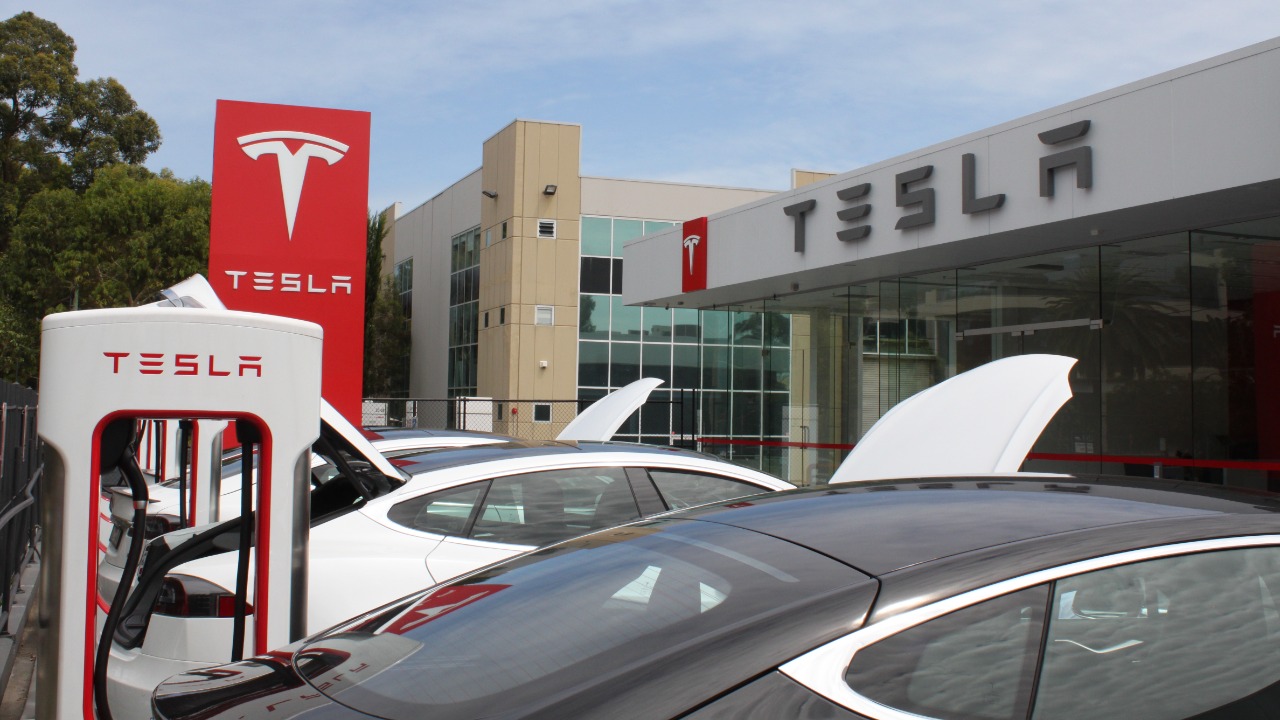
The imposition of tariffs has influenced not only traditional vehicles but also electric vehicles (EVs). As production costs for EVs rise, consumers may initially face higher prices. However, there is potential for EVs to become more affordable over time, driven by advances in technology and economies of scale. This evolving landscape could shape future consumer demand and purchasing decisions.
Luxury vs. Budget Segments
Rising car prices are altering consumer preferences. The market may experience a shift toward luxury vehicles as budget-conscious buyers find themselves priced out of the market. Automakers are responding by enhancing their premium offerings to capture this changing demand. Meanwhile, budget segments may struggle to maintain relevance in a landscape where affordability is increasingly elusive.
Leasing and Financing Trends
As vehicle prices rise, more consumers are turning to leasing and financing options to manage costs. Longer loan terms and creative financing arrangements are becoming more prevalent, allowing buyers to spread payments over extended periods. This trend reflects the broader economic pressures facing consumers and the need for flexible solutions in a challenging market environment.
Economic Implications and Future Outlook

Impact on Auto Industry Profits
The rising cost of vehicles has potential implications for the profitability of car manufacturers. While higher prices may initially boost revenue, there is a risk of decreased sales volume as consumers react to escalating costs. Companies must balance the need for profitability with the risk of alienating price-sensitive buyers.
Broader Economic Effects
The auto industry’s challenges extend beyond manufacturers, affecting related sectors such as auto parts suppliers and dealerships. The broader economy may experience a ripple effect, with potential consequences for employment and economic growth. Understanding these dynamics is crucial for stakeholders navigating this complex environment.
Policy Changes and Solutions
To address these challenges, policymakers and industry leaders must explore potential solutions. Adjustments to trade policies and innovative industry practices could help mitigate the impact of rising car prices. Ensuring affordability for consumers is essential to maintaining a healthy and competitive automotive market. As the industry evolves, stakeholders must remain agile in adapting to changing conditions and seizing opportunities for growth.

Grant Mercer covers market dynamics, business trends, and the economic forces driving growth across industries. His analysis connects macro movements with real-world implications for investors, entrepreneurs, and professionals. Through his work at The Daily Overview, Grant helps readers understand how markets function and where opportunities may emerge.

