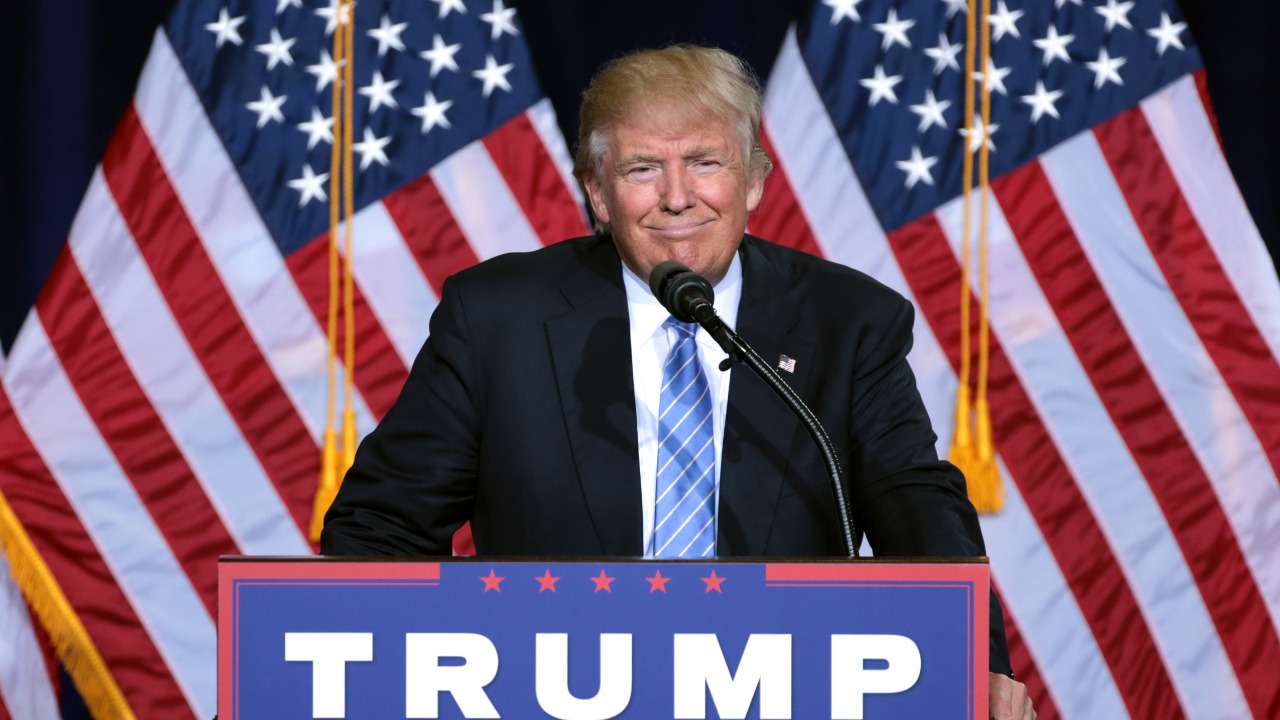
The art of leveraging debt is a skill that many billionaires, including Donald Trump, have mastered to build and sustain their wealth. By understanding how to use debt strategically, individuals can potentially unlock new opportunities for financial growth. Trump’s approach to debt provides valuable insights into how leverage can be used to enhance one’s financial portfolio without succumbing to its inherent risks.
The Power of Leverage

Leverage is the use of borrowed capital to increase the potential return on investment. It’s a double-edged sword that, when wielded skillfully, can amplify both gains and risks. The principle of leveraging is widely used in various domains, from real estate to stock markets, allowing investors to control a larger asset base than they could with only their own capital.
Real-world examples of successful leverage use abound. Consider the case of a real estate investor who uses a mortgage to purchase a property, then rents it out to cover the loan payments while benefiting from property appreciation. This strategy has been employed by numerous successful entrepreneurs. However, it’s crucial to understand that while leverage can multiply gains, it can also amplify losses, making risk management a vital component of any leveraged investment strategy.
Trump’s Philosophy on Debt
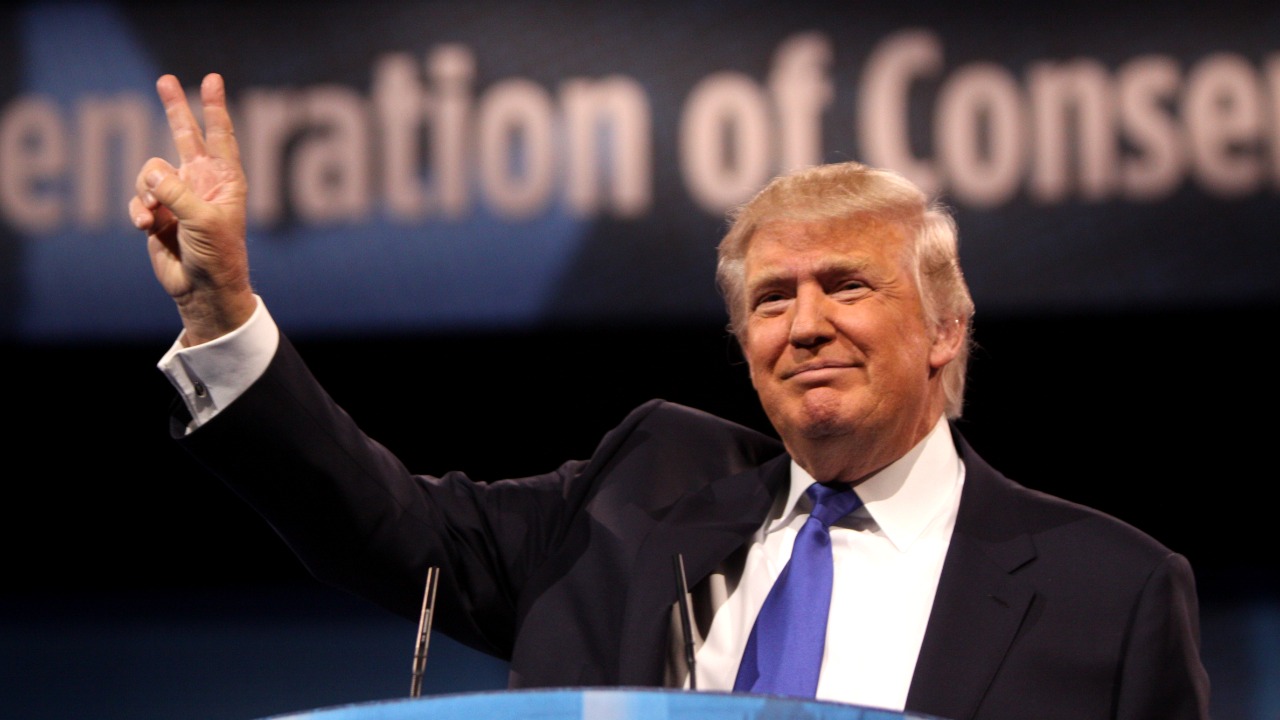
Donald Trump’s relationship with debt is both well-documented and somewhat unconventional. He has publicly stated that he views debt as a tool that can be used strategically rather than something to be feared. His approach often involves leveraging large amounts to finance business ventures, allowing him to expand his empire without tying up his capital.
Throughout his career, Trump has utilized debt in a variety of ways. For instance, his real estate ventures often involved substantial loans, which allowed him to acquire properties that would have been impossible to purchase outright. This philosophy contrasts with traditional financial advice, which typically advocates for minimizing debt and focusing on building savings. For Trump, the key was always in the management of debt rather than its avoidance.
Lessons from Trump’s Business Ventures
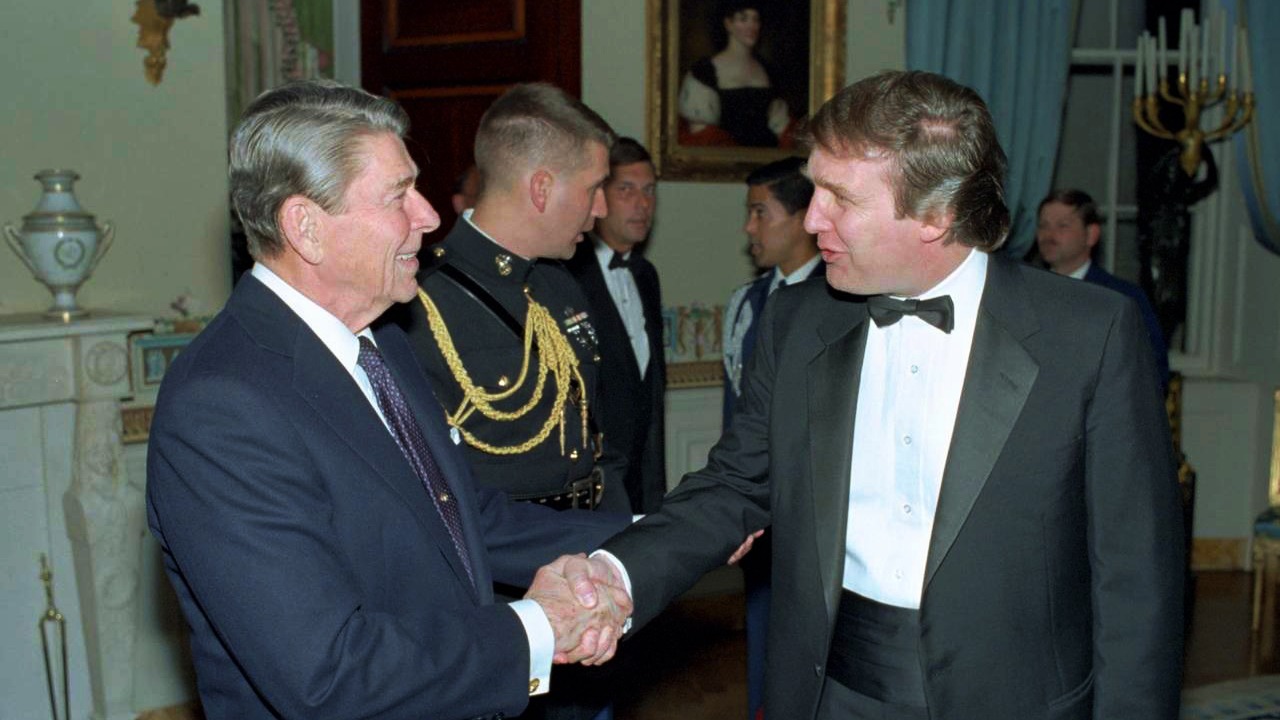
Trump’s business ventures offer valuable lessons in the strategic use of debt. One notable instance was during the early 1990s when he faced significant financial setbacks. By negotiating with lenders and restructuring his debts, Trump was able to recover and eventually thrive. His ability to leverage debt to navigate financial turmoil showcases both his resilience and strategic acumen.
The role of debt in Trump’s real estate investments and casino operations demonstrates a balance between risk management and aggressive leveraging. For instance, his acquisition of the Taj Mahal casino involved significant borrowing, highlighting his willingness to take calculated risks. Yet, these ventures also highlight the importance of having a robust plan for managing debt, as evidenced by the financial difficulties encountered during his career.
Applying Billionaire Strategies to Personal Finances
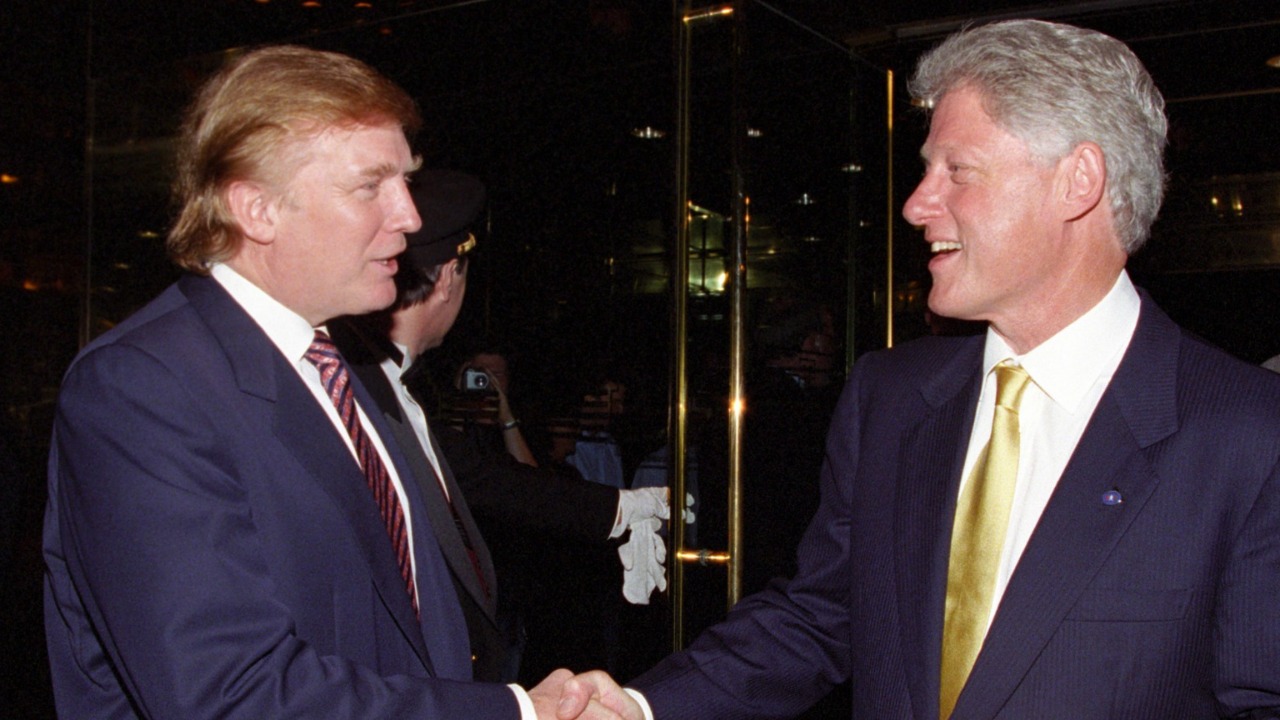
Individuals looking to apply billionaire strategies to their personal finances can take several cues from Trump’s use of leverage. One practical tip is to leverage in personal investments, such as real estate or stocks, where the potential for appreciation and income can justify the risks involved.
However, it’s critical to maintain creditworthiness to secure favorable borrowing terms. Building a solid financial foundation by maintaining a good credit score and a healthy debt-to-income ratio is essential when considering leveraging opportunities. At the same time, understanding the potential pitfalls of leveraging, such as over-leveraging and market volatility, can help prevent common mistakes and financial distress.
The Role of Economic Climate in Leveraging

The economic climate plays a significant role in the effectiveness of leveraging strategies. During periods of economic expansion, leveraging can be particularly beneficial, as asset values tend to rise, and interest rates may remain favorable. However, during downturns, the risks associated with leveraging increase, as asset values can decline, and borrowing costs may rise.
Billionaires like Trump adjust their leveraging tactics in response to market fluctuations. By staying informed about economic trends and indicators, investors can optimize their use of leverage to align with market conditions. This proactive approach can help mitigate risks and enhance potential rewards.
Ethical Considerations and Public Perception
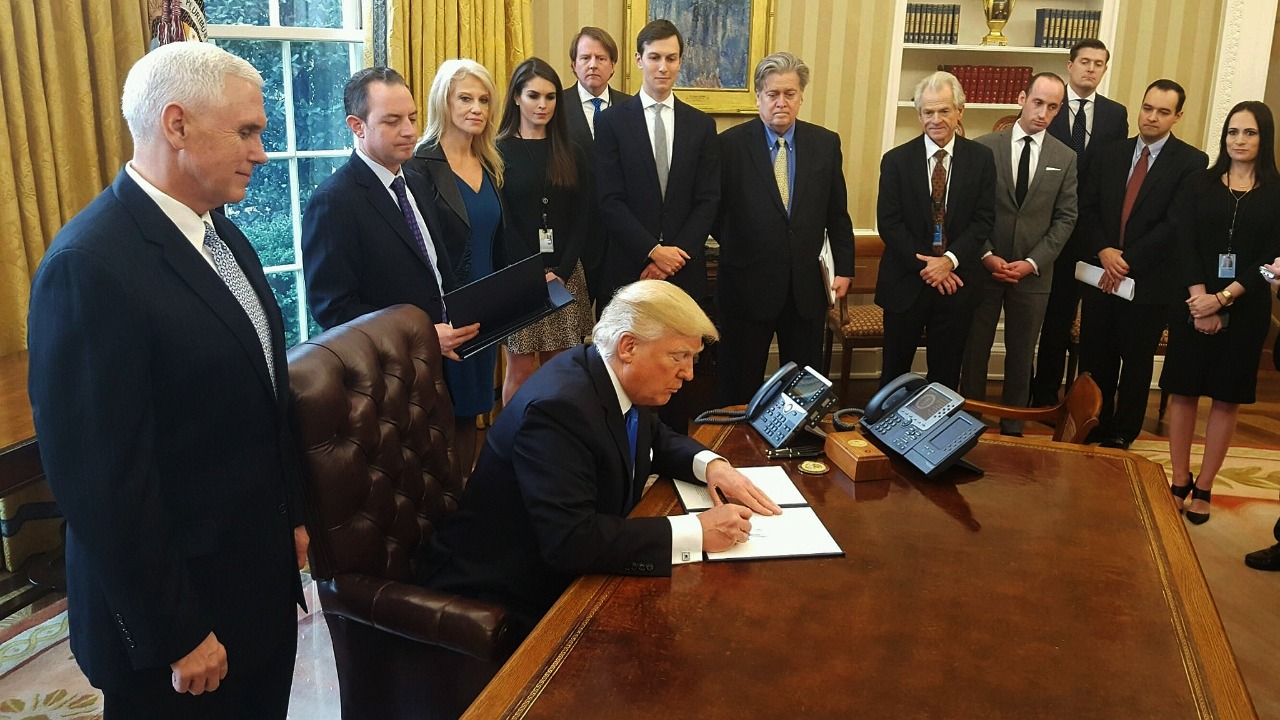
The use of debt and leverage in business raises ethical considerations, particularly when it comes to public perception. While leveraging can drive growth, it can also lead to financial instability and affect stakeholders if not managed responsibly. Business leaders must balance their growth ambitions with social responsibility to maintain their reputation and stakeholder trust.
Public perception of debt use can significantly impact a business leader’s reputation. As seen in Trump’s career, leveraging strategies can attract both admiration and criticism. Navigating this balance requires transparency and a commitment to ethical business practices, ensuring that leveraging is used as a tool for sustainable growth rather than short-term gains.
In conclusion, understanding and applying the principles of leveraging, as demonstrated by Donald Trump, can offer unique opportunities for financial growth. By strategically managing debt and aligning leveraging tactics with economic conditions, individuals can unlock the potential of leverage while maintaining ethical standards and public trust.

Cole Whitaker focuses on the fundamentals of money management, helping readers make smarter decisions around income, spending, saving, and long-term financial stability. His writing emphasizes clarity, discipline, and practical systems that work in real life. At The Daily Overview, Cole breaks down personal finance topics into straightforward guidance readers can apply immediately.
