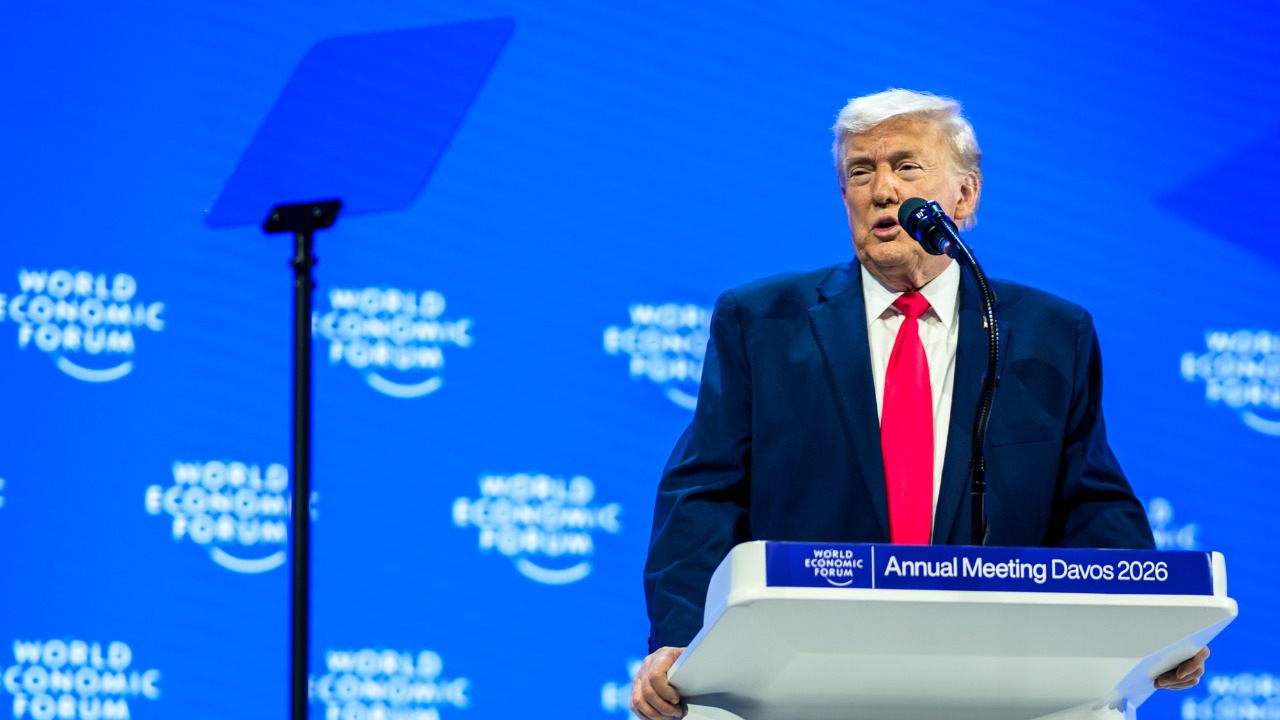
Across the country, small business owners are discovering that the promises of a boom under President Donald Trump have curdled into a grind of higher costs, unstable rules, and shrinking support. From tariffs that jack up input prices to cuts at the very agency meant to help entrepreneurs, the policy mix coming out of Washington is tilting the playing field toward the largest corporations. The result is a mounting crisis that is closing storefronts, stalling hiring, and draining optimism from the local economies that depend on these firms.
Instead of being treated as the backbone of American prosperity, small employers are increasingly being asked to absorb the fallout of trade fights, regulatory theatrics, and budget cuts. The damage is not abstract. It shows up in the restaurant that cannot afford new equipment, the contractor who delays hiring an apprentice, and the family-owned manufacturer that suddenly has to choose between paying a tariff bill or making payroll.
The emerging small business crisis
What is unfolding now is not a routine business cycle slowdown but a policy-driven squeeze that many owners say they have never seen before. One analysis warned that hundreds of thousands of firms are at risk of shutting their doors as higher costs and policy uncertainty pile up in sectors such as hospitality, construction, and agriculture, a trend that could turn into a longer term crisis if nothing changes. In that reporting, Jan described how “you could see this being a longer-term crisis” and added, “I can’t think of a time when the government at any level, federal, state, or local, has been this unhelpful to small business,” a stark assessment that captures how far conditions have deteriorated for entrepreneurs who lack the buffers of big corporations, as detailed in the account of Trump triggers small.
When I talk to owners, what stands out is not just the financial strain but the sense that policy is being made with little regard for how a typical shop or farm actually operates. Margins that were already thin are being eroded by higher import costs, while access to credit and technical help is being pulled back at the very moment it is most needed. The result is a widening gap between the rhetoric of championing entrepreneurs and the lived reality of those trying to keep their doors open.
Tariffs that hit the smallest hardest
The most visible pressure point is the tariff regime that President Donald Trump has turned into a centerpiece of his economic strategy. Large multinationals can rework supply chains or negotiate with lenders, but a neighborhood manufacturer or retailer has no such leverage and often has to swallow the full increase in costs. Reporting on how much these levies are costing entrepreneurs found that small firms are being “crushed” by Trump’s tariffs, with owners describing how they have had to delay investments, cut staff, or raise prices simply to stay afloat, a pattern laid out in detail in the analysis of how much Trump.
Lawmakers who have met directly with owners are hearing the same thing. Jan recounted conversations with shopkeepers and manufacturers who say that Trump’s “reckless tariffs” are hitting them precisely when they need support, not new obstacles, and pointed to a new survey showing that a majority of small business respondents reported higher costs and weaker outlooks even as they once expressed optimism about their local economies. That survey of struggling owners, cited in Jan’s warning about Trump’s reckless tariffs, underscores how quickly sentiment has soured as bills tied to trade policy come due.
“Liberation Day” that felt like “Obliteration Day”
Supporters of the administration often frame tariff escalations as patriotic economic warfare or a necessary reset of global trade. For many small employers, the reality has been closer to collateral damage. A detailed review of the past year under Trump’s trade policy described it as “An Unhappy Year for Small Businesses Under Trump’s Tariffs,” noting that these levies have imposed major new monthly costs on small firms that lack the cash reserves to absorb them, and that the burden has been especially heavy in import dependent sectors that rely on steady pricing to plan inventory, as documented in the assessment titled Unhappy Year for.
On what the White House branded “Liberation Day” for trade, some owners experienced the opposite. A briefing on “Small Businesses and Trump’s Tariffs” reported that for many entrepreneurs, Trump’s so-called “Liberation Day” felt more like “Obliteration Day,” because the new duties immediately raised their input costs and wiped out already narrow profit margins. That same document, focused on Small Businesses and, captured the bitter irony of a celebration in Washington that coincided with layoffs and canceled orders on Main Street.
Tariff whiplash and financial strain
Beyond the raw cost of tariffs, the constant shifts in policy have created what one expert called “tariff whiplash,” a kind of policy volatility that is especially punishing for smaller firms. Jacob Bennett, co founder of Crux Analytics, has warned that Trump’s trade war is not just raising prices but also making it nearly impossible for small companies to plan inventory, negotiate contracts, or secure credit to weather these changes. In his analysis of tariff whiplash, Bennett emphasized that while Fortune 500 companies can hire consultants and hedge their risks, the typical small supplier or retailer has no such cushion.
The financing side of the story is just as troubling. Interviews with lenders and owners have highlighted how banks can make a single million dollar loan to a large company and be done with it, while a portfolio of small business loans requires more work for less immediate payoff. When tariffs and uncertainty raise the perceived risk of these borrowers, credit tightens further. One survey of owners coping with Trump’s tariffs found that between 40 percent and 60 percent had already raised prices to cope with higher costs, a sign that the pain is being passed on to customers as well as workers, as described in the account of how Oct tariffs are squeezing small business owners.
Regulatory theater and a weakened SBA
While tariffs grab headlines, another quieter shift is unfolding inside the federal bureaucracy that is supposed to help entrepreneurs navigate red tape. The Small Business Administration has been presented as a champion of deregulation, with officials touting a new “strike force” to slash rules they say are driving up costs for working families and small firms in sectors ranging from housing to food production. According to one report, the Small Business Administration, described as a key Trump agency, was highlighted in a “FIRST ON FOX” story that framed the effort as “Seeking to tackle persistent cost pressures on American families and small firms,” language that underscores how the administration wants to be seen as cutting burdens even as other policies add new ones, as laid out in the coverage that began with FIRST ON FOX.
Yet behind the rhetoric of liberation from regulation, the capacity of the SBA itself has been sharply reduced. Soon after SBA Administrator Kelly Loeffler took charge, she announced that the agency would reduce its 6,500-person workforce by 43%, cutting roughly 2,700 positions that had provided counseling, loan processing, and disaster assistance to small firms. That decision, detailed in the account that begins “Soon after SBA Administrator Kelly Loeffler took charge,” shows how the very institution meant to level the playing field for entrepreneurs has been hollowed out, as described in the report on how Soon after SBA was reshaped.
A base turned into collateral damage
Politically, the most striking twist is that the people bearing the brunt of these choices include some of President Donald Trump’s most loyal supporters. Small business owners, long considered the core of his political base, are now increasingly feeling the impact of his policies in their balance sheets and payrolls. Economist Paul Krugman has argued that the country has moved rapidly toward “crony capitalism” in which connections and scale matter more than competition, and that small firms aligned with the “MAGA” movement are discovering that loyalty does not shield them from higher costs or weaker protections, a dynamic he described in his warning that Small business owners are being hurt by Trump’s policies.
On the ground, owners echo that sense of betrayal. Small business operators have told reporters that Trump (Donald Trump) has pursued trade and immigration policies that are hurting their companies, leading to fewer workers, disrupted supply chains, and higher costs tied directly to his trade tariffs. One account quoted owners who said that Trump (Donald Trump)’s trade tariffs had effectively turned their communities into sacrifice zones, where local shops and farms are treated as expendable in pursuit of a broader political agenda, as captured in the reporting that noted how Small business owners describe the impact of Trump (Donald Trump)’s trade tariffs.
What it will take to stop the damage
Reversing this trajectory will require more than slogans about loving small business or one off regulatory announcements. It will mean confronting the reality that tariffs function as taxes on import dependent firms, that policy whiplash is itself a cost, and that gutting the institutions designed to help entrepreneurs leaves them exposed when shocks hit. The evidence from Jan, Jacob Bennett, and the many owners who have spoken out points to a simple conclusion: unless the administration changes course on trade, restores capacity at the Small Business Administration, and treats small employers as partners rather than props, the closures and layoffs already underway will spread.
For now, the burden of adjustment is falling on the people with the least room to maneuver. The big box retailer can negotiate with suppliers and absorb a bad quarter. The family owned shop that has to pay a sudden tariff bill or cope with a vanished SBA counselor often cannot. If President Donald Trump continues down this path, the country risks trading a diverse, locally rooted economy for one dominated by a handful of giants, while the entrepreneurs who once formed his political backbone watch their life’s work eroded by decisions made in their name but against their interests.
More From The Daily Overview
*This article was researched with the help of AI, with human editors creating the final content.

Grant Mercer covers market dynamics, business trends, and the economic forces driving growth across industries. His analysis connects macro movements with real-world implications for investors, entrepreneurs, and professionals. Through his work at The Daily Overview, Grant helps readers understand how markets function and where opportunities may emerge.

