
President Trump’s new tax plan promises significant financial relief for seniors by introducing a $6,000 tax break. This initiative is part of a broader strategy aimed at addressing economic concerns among older Americans and ensuring their financial stability. The proposal has sparked discussions about its potential impact on the economy and the well-being of senior citizens.
Background of the Tax Plan

The new tax proposal introduced by President Trump aims to alleviate financial pressures experienced by senior citizens by offering a $6,000 tax deduction. This measure is designed to enhance disposable income and improve financial health among seniors, a demographic often reliant on fixed incomes such as pensions and Social Security. The tax plan is part of a broader economic strategy targeting key voter groups, with promises of bolstering economic support for the elderly.
Historically, tax policies for seniors have undergone numerous changes. In the past, initiatives have been introduced to provide tax relief to seniors, but few have been as significant as the current proposal. Comparing past policies reveals a mixed record of success, often hampered by political gridlock or economic constraints. The current proposal seeks to learn from these past attempts, offering a more substantial and streamlined approach to tax relief for seniors.
The legislative journey of this tax proposal has been complex. After being introduced in Congress, it has undergone various amendments and debates. The bill has garnered mixed reactions from lawmakers and is currently awaiting further discussions in the Senate. Its future hinges on bipartisan support and the ability to address concerns raised during congressional hearings.
Impact on Seniors

The proposed $6,000 tax break could have a transformative effect on the financial well-being of seniors. By increasing disposable income, seniors may find it easier to manage their expenses, from healthcare costs to daily living expenses. This tax break aims to offer immediate relief and long-term financial stability, allowing seniors to maintain a better quality of life.
Eligibility for the tax break is determined by specific criteria, targeting seniors who are most in need of financial support. Generally, it applies to individuals over the age of 65, with certain income thresholds and requirements in place. These criteria ensure that the benefits are directed towards those who would benefit most from financial relief.
Consider the case of John, a retiree living on a fixed income. With the additional $6,000 tax break, John could afford necessary medical treatments or invest in home modifications for better accessibility. Similarly, Mary, a widow relying on Social Security, could use the tax savings to cover rising utility bills or transportation costs. These examples illustrate the tangible benefits the tax break could offer to seniors.
Economic Implications
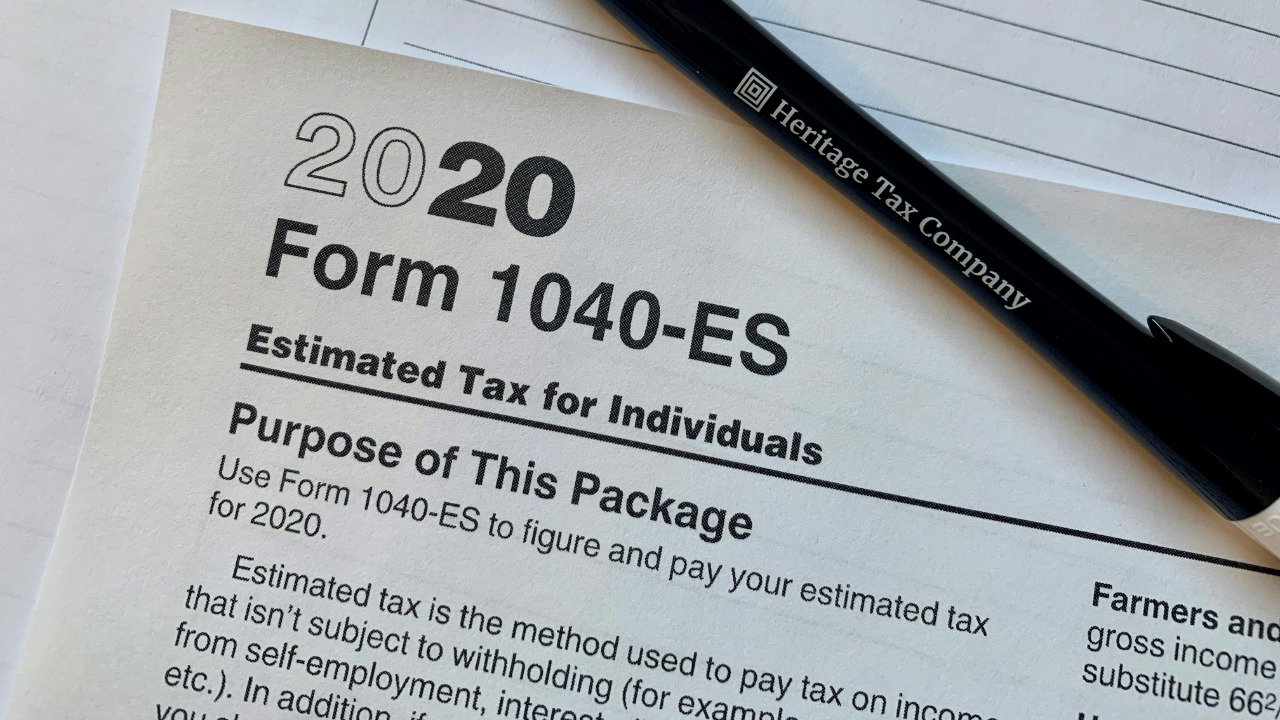
The implementation of this tax break could have significant implications for the national economy. While it provides relief to seniors, the broader economic impact hinges on various factors, including consumer spending and economic growth. By increasing the disposable income of seniors, the tax break could stimulate spending in local economies, potentially leading to increased demand for goods and services.
From a budgetary perspective, the introduction of the tax break raises questions about its impact on federal revenue and spending. While providing immediate relief, it could lead to reduced tax revenue, necessitating adjustments in federal budgeting and spending priorities. The balance between providing relief and maintaining fiscal responsibility remains a key consideration.
Economists and financial analysts have offered varied perspectives on the plan’s feasibility and effectiveness. Some experts argue that the tax break could provide necessary relief without significantly impacting the national budget, while others express concerns about long-term sustainability and fiscal implications. For a deeper analysis, explore policy notes that discuss similar tax initiatives.
Political Reactions and Debates

The tax plan has sparked a wide range of political reactions. Key political figures and groups have expressed both support and opposition. Proponents argue that the tax break is a necessary measure to support seniors, a vital voting demographic. However, critics question its timing and potential impact on the national deficit.
Public opinion on the proposed tax break is divided. While many seniors welcome the relief, concerns about the long-term economic implications and fairness persist among other demographics. The plan’s reception will likely play a role in shaping public opinion and influencing upcoming elections.
In terms of campaign implications, this tax plan could become a pivotal element of Trump’s political strategy. By positioning himself as an advocate for seniors, Trump aims to strengthen his support base. For more insights on the political dynamics, visit Spectrum News.
Comparison with Previous Policies

When compared to previous policies aimed at aiding seniors, this tax break stands out due to its magnitude and targeted approach. Similar initiatives in the past have offered relief, but often with limited reach or impact. By learning from past successes and failures, the current proposal seeks to provide a more comprehensive solution to the financial challenges faced by seniors.
Past initiatives have taught valuable lessons about the importance of clear eligibility criteria and the need for sustained support. The current proposal incorporates these lessons, aiming for a more effective and equitable distribution of benefits. However, careful monitoring and adjustment may be required to ensure its success.
Looking to the future, this policy could set a precedent for subsequent tax reforms targeting seniors. Its success or failure will likely influence the direction of future policies, shaping the landscape of financial support for the elderly. For an overview of how similar policies have evolved, consider reviewing historical tax analyses.
Potential Challenges and Criticisms

Implementing the tax break presents several logistical and administrative challenges. Ensuring that eligible seniors receive their benefits efficiently requires robust systems and processes. Additionally, addressing potential fraudulent claims and ensuring compliance will be crucial to the plan’s success.
Critiques from policymakers have focused on the sustainability and fairness of the proposal. Some argue that the tax break disproportionately benefits certain demographics, while others question its long-term viability given current economic constraints. These critiques highlight the need for careful consideration and potential revisions to address valid concerns.
Addressing these concerns may involve amending the proposal to enhance its fairness and sustainability. Policymakers could explore alternative funding mechanisms or adjust eligibility criteria to ensure the broadest possible benefit. For further discussion on the proposal’s potential impact, see the analysis on Yahoo Finance.

Julian Harrow specializes in taxation, IRS rules, and compliance strategy. His work helps readers navigate complex tax codes, deadlines, and reporting requirements while identifying opportunities for efficiency and risk reduction. At The Daily Overview, Julian breaks down tax-related topics with precision and clarity, making a traditionally dense subject easier to understand.