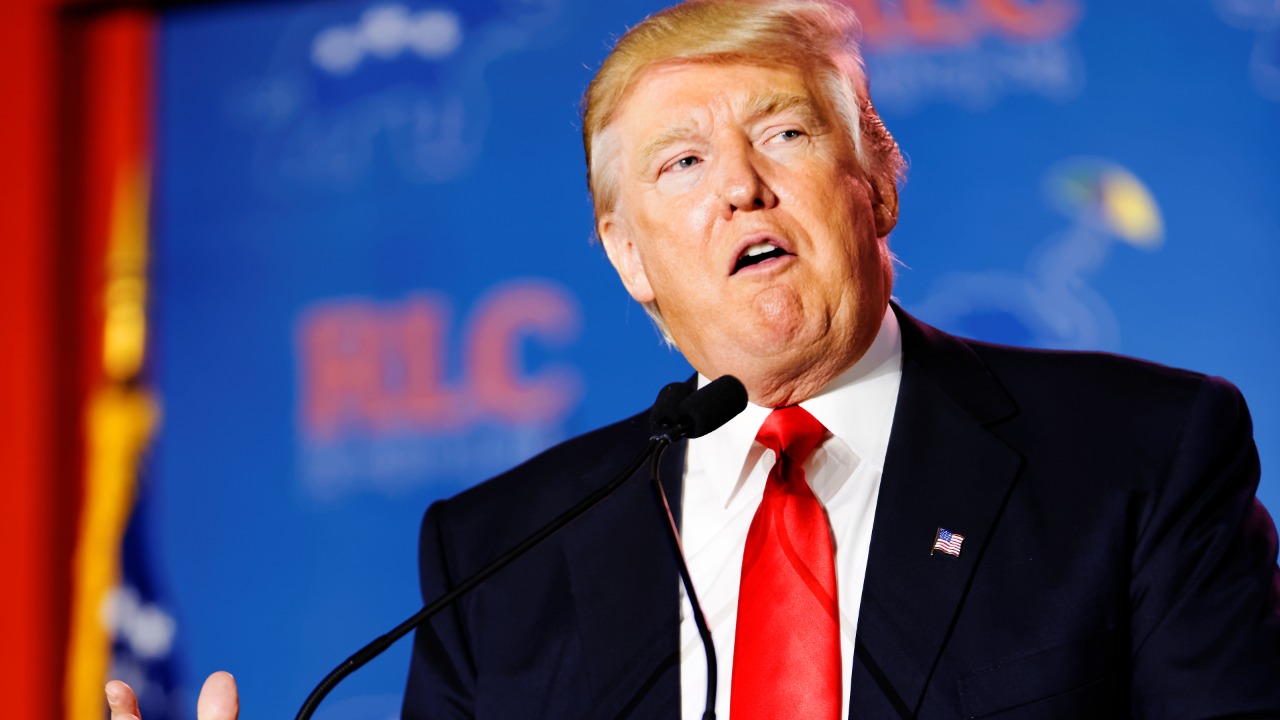
In Las Vegas, service workers are voicing their dissatisfaction with President Donald Trump’s ‘no tax on tips’ promise, which they argue has not provided the financial relief they anticipated. Despite the promise of alleviating tax burdens on gratuities, experts have criticized the law as ‘misleading’ due to its limited scope and the persistent economic pressures in the hospitality industry. This disconnect between campaign rhetoric and real-world outcomes underscores the challenges faced by tipped employees in late September 2025.
Trump’s ‘No Tax on Tips’ Proposal Origins
During his 2024 campaign rallies in Nevada, President Trump announced his ‘no tax on tips’ promise, aiming to win over voters in service-heavy states like Nevada. The proposal was designed to appeal to hospitality workers by exempting gratuities from federal income tax, although it notably excluded payroll taxes. This distinction was crucial, as it meant that while tips might be free from federal income tax, they were still subject to Social Security and Medicare deductions. The promise was a strategic part of Trump’s broader election efforts in battleground areas such as Las Vegas, where tipped income is a significant component of local wages.
The mechanics of the proposal were straightforward in theory but complex in practice. While the promise of tax-free tips was appealing, the exclusion of payroll taxes meant that the financial relief was not as substantial as many workers had hoped. This nuance was often lost in the campaign rhetoric, which focused on the potential benefits without fully addressing the limitations. As a result, the promise resonated with voters who were eager for economic relief but ultimately fell short of delivering meaningful change.
Las Vegas Workers’ On-the-Ground Disappointment
Las Vegas casino and restaurant servers have expressed disappointment with the implementation of the ‘no tax on tips’ promise. Many workers report that their take-home pay remains unchanged due to ongoing deductions for Social Security and Medicare. Despite the promise of tax relief, the reality is that tips still face indirect taxation burdens, leaving workers feeling let down. Employees from Strip venues have shared that their average weekly tip amounts have not seen the net gains they were led to expect, highlighting the gap between the promise and its practical impact.
The economic context in Las Vegas further exacerbates this frustration. While tourism has shown signs of recovery post-2024, it has not been enough to offset the rising cost of living. Inflation continues to strain workers’ budgets, making the unfulfilled promise of tax relief a significant grievance. For many in the hospitality industry, the promise of financial relief was a beacon of hope that has yet to materialize, leaving them to navigate the same economic challenges as before.
Expert Critiques Labeling It ‘Misleading’
Tax policy analysts have labeled the ‘no tax on tips’ law as ‘misleading’ due to its narrow focus on income tax while ignoring the 15.3% FICA contributions that tipped workers still owe on gratuities. Economists from institutions like the Urban-Brookings Tax Policy Center argue that the measure provides minimal savings, estimated at under $1,000 annually for most servers, compared to the overhyped benefits touted during the campaign. This discrepancy between expectation and reality has fueled criticism from experts who view the law as more symbolic than substantive.
Implementation flaws further complicate the situation. IRS reporting requirements pose challenges for small businesses in Las Vegas, making compliance difficult and costly. These hurdles undermine the intended benefits of the law, leading experts to question its effectiveness. The promise of tax relief has been overshadowed by the practical difficulties of implementation, leaving many workers and businesses struggling to navigate the new regulations.
Broader Implications for Tipped Labor
The shortcomings of the ‘no tax on tips’ law have broader implications for the national tipped workforce. Las Vegas serves as a microcosm of stalled wage growth despite the policy’s intent. The limited scope of the law has failed to address the core issues facing tipped employees, leaving many to question the effectiveness of such measures. As debates continue over the 2025 fiscal landscape, there are calls from labor groups for full payroll tax exemptions to provide meaningful relief to workers.
Politically, the unfulfilled promise has eroded trust among Nevada’s 300,000-plus hospitality employees. Many view the ‘no tax on tips’ promise as part of a pattern of unkept economic pledges, leading to skepticism about future policy proposals. The gap between campaign promises and real-world outcomes highlights the challenges of implementing effective tax relief measures for tipped workers, underscoring the need for comprehensive solutions that address the full scope of their financial burdens.
For more details on the reactions and expert critiques of Trump’s ‘no tax on tips’ promise, visit Yahoo Finance.
More From TheDailyOverview
- Dave Ramsey warns to stop 401(k) contributions
- 11 night jobs you can do from home (not exciting but steady)
- Small U.S. cities ready to boom next
- 19 things boomers should never sell no matter what

Julian Harrow specializes in taxation, IRS rules, and compliance strategy. His work helps readers navigate complex tax codes, deadlines, and reporting requirements while identifying opportunities for efficiency and risk reduction. At The Daily Overview, Julian breaks down tax-related topics with precision and clarity, making a traditionally dense subject easier to understand.