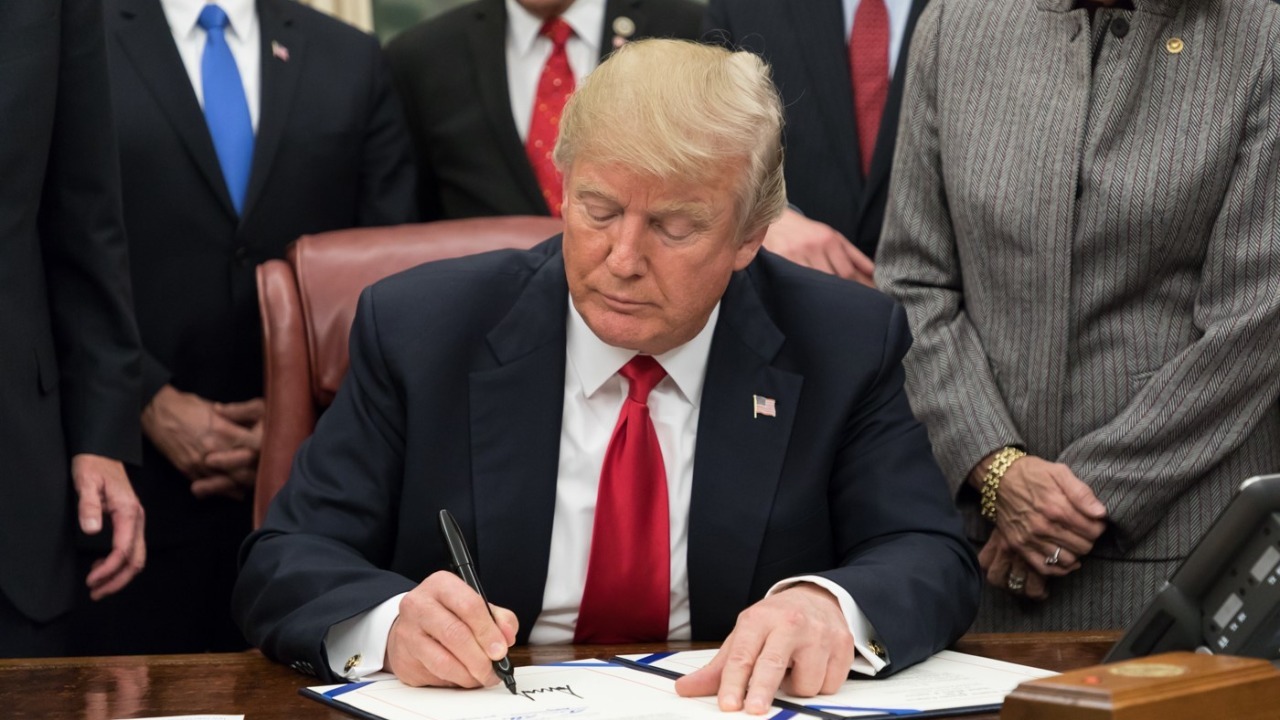
Millions of homeowners are sitting on 3 percent mortgages and feeling trapped in homes that no longer fit their lives. President Donald Trump is betting that a new “portable mortgage” option could unstick that market, letting people carry those ultra-low loans to a new address instead of giving them up. I see a plan that could either unlock badly needed inventory and affordability or inject fresh risk into a system that is still nursing scars from the last housing crisis.
The core idea is simple: instead of refinancing into today’s higher rates, you would move your existing mortgage, with its original interest rate and terms, onto a different property. In practice, the details of how lenders, investors and regulators handle that transfer will decide whether portable mortgages protect your 3 percent deal or quietly erode it over time.
How Trump’s portable mortgage would actually work
At its heart, a portable mortgage is a contract that follows you, not the house. Rather than paying off your old loan when you sell, you would transfer that same balance, interest rate and remaining term to the new property, subject to lender approval. The concept is already common in parts of Canada and the United Kingdom, where borrowers can move shorter term loans between homes, and Trump’s team is now trying to adapt that model to the United States, where 30-year fixed loans dominate and investors expect predictable cash flows on mortgage-backed securities, a structure that Dec reporting describes in detail.
Under the version the administration is floating, you would apply to “port” your loan when you go under contract on a new home. If the new place is cheaper, you would use sale proceeds to pay down the difference between the old balance and the new purchase price, keeping the same low rate on a smaller loan, a structure outlined in Nov guidance. If the new home is more expensive, you would stack an additional loan on top, likely at the current market rate, creating a blended cost of borrowing that could still beat taking out a single new mortgage at today’s higher rates.
The lock-in problem portable loans are trying to solve
The political urgency behind this idea starts with a brutal math problem. Persistently higher mortgage rates and significant increases in house prices have made ownership more expensive and pushed the market into a deep freeze, with existing owners reluctant to give up cheap loans and would-be buyers squeezed by monthly payments, a dynamic that Jan analysts describe as a drag on broader economic activity. The Trump administration has zeroed in on this “lock-in effect,” where people who refinanced into 2 to 3 percent mortgages during the pandemic era feel stuck because moving would mean trading that rate for something closer to 6 or 7 percent.
Over the last few months, President Trump has promised what he calls the most aggressive housing reform push of his tenure, signaling that portable mortgages will sit alongside other efforts to cool borrowing costs and free up inventory, a direction laid out in Dec coverage. After several years in a deep freeze, with high borrowing costs and soaring prices locking many Americans out of homeownership, the administration is under pressure to show that it can help Americans who feel priced out in 2026, a concern that the same Dec reporting ties directly to the portable mortgage debate.
Why economists think portability could help
Supporters see portable mortgages as a targeted way to attack the lock-in effect without waiting for interest rates to fall on their own. By letting people keep their existing low rate instead of forcing them into the current higher interest rate, the Trump administration hopes to coax more owners to list their homes, which could ease the inventory crunch and moderate price growth, a goal described in Nov analysis. Policy experts argue that portable mortgages would directly address the cause of the mortgage lock-in effect by removing the barrier of a new, higher rate when people move, a point made in Jan research on how homeowners are enticed to sell when they can carry their loans.
There is also a cost angle. Portable mortgages could reduce mortgage origination expenses for homeowners transferring an existing mortgage to a similarly priced property, since the lender is modifying a contract rather than underwriting a brand new loan, a potential savings highlighted in Jan commentary. For the broader economy, advocates say that freeing people to move for jobs, family or health reasons without sacrificing their low rate could ease some of the broader economic costs that come when housing markets seize up, a concern that the same Jan analysis links to reduced mobility and productivity when households feel trapped by their mortgages.
The big ways this could backfire
The catch is that portable mortgages do not magically create more cheap money, they redistribute who gets to keep it. Experts warn that letting existing borrowers hold on to 3 percent loans for longer could make it harder for new buyers to access low rates, since investors and lenders would have less incentive to offer fresh bargains if their old loans are not paying off and being replaced, a concern raised in Dec reporting that notes how other countries limit portability to shorter terms. The Trump Administration’s Portable Mortgage Push Could Let You Keep Your 3% Rate, but Experts Warn It May Backfire by locking in a two-tier market where older borrowers enjoy subsidized debt while younger families face permanently higher costs, a warning summarized in Nov analysis that also asks What Can Homeowners Do Now?
There are also financial stability questions. The Trump administration is actively evaluating how portable mortgages would affect the complex plumbing of mortgage-backed securities, where investors expect a certain pace of prepayments and refinancings, and any disruption could ripple through bond markets, a concern flagged when The Trump administration eyes mortgage portability and asks Could mortgage portability in the U.S. become a possibility in the future, as Nov coverage notes while tracking Adv support for such a measure. If lenders respond by tightening credit standards or charging higher fees to offset that uncertainty, the policy meant to help could end up making it harder for marginal borrowers to qualify, especially if it is paired with other experiments like 50-year mortgages for borrowers that are mentioned alongside portable loans in Dec reporting.
How this fits into Trump’s broader housing strategy
Portable mortgages are not the only lever the White House is pulling. The Government is Buying Mortgage Bonds to Lower Interest Rates as part of a broader effort President Trump has signaled to push borrowing costs down, instructing agencies to support cheaper financing for homebuyers, a strategy described in Jan reporting on how The Government is Buying Mortgage Bonds to Lower Interest Rates. As President Trump tackles housing affordability, the administration points to early signs of progress, including a dip in the average 30-year fixed mortgage rate to multi-year lows that has driven monthly housing payments to their most affordable levels in some time and helped more families achieve the dream of homeownership, according to a Jan update.
Inside the administration, officials describe portable mortgages as one piece of a larger affordability agenda that also includes zoning incentives, tax credits and direct support for new construction, although those details remain less defined in the public reporting. The Trump administration is actively evaluating portable mortgages as part of a wide variety of options to lower housing costs, with a spokesperson saying they are studying how such loans might work and Might affect both current owners and new buyers, a process outlined in The Trump briefing that also walks through What and How these products Might change the market. For consumers, the key is that portable mortgages would sit alongside, not replace, more familiar tools like assumable loans, where a buyer takes over the seller’s existing mortgage balance and rate under certain conditions, a distinction explained in Nov guidance that breaks down Here how Assumable options differ from portability.
More From TheDailyOverview
*This article was researched with the help of AI, with human editors creating the final content.

Elias Broderick specializes in residential and commercial real estate, with a focus on market cycles, property fundamentals, and investment strategy. His writing translates complex housing and development trends into clear insights for both new and experienced investors. At The Daily Overview, Elias explores how real estate fits into long-term wealth planning.

