
Former President Donald Trump recently proposed a significant shift in his approach to Social Security taxes, sparking a wave of reactions from retirees and policymakers alike. While his statements have created a buzz, the reality of the proposed changes remains complex and nuanced. Retirees and their financial futures stand at a crossroads as the implications of Trump’s U-turn on Social Security taxes unfold.
The Background of Trump’s Social Security Tax Proposal

The centerpiece of Trump’s proposed “Mega Bill” is a bold promise to eliminate taxes on Social Security benefits, a move that has captured widespread attention. The bill aims to reshape the financial landscape for retirees, presenting both opportunities and uncertainties. It includes various provisions designed to stimulate economic growth, but the spotlight remains on how it plans to handle Social Security taxes.
Historically, Trump’s stance on Social Security taxes has been more conservative, with previous policies maintaining the status quo. The shift in approach could be attributed to a combination of political strategy and economic considerations. However, understanding the motivations behind this reversal requires examining the broader legislative context and the factors driving this change.
Presently, the bill’s journey through Congress is fraught with challenges. The legislative process involves multiple stages, and the proposal must navigate a complex political landscape. Potential hurdles include partisan opposition and debates over the fiscal implications, making the outcome uncertain.
Implications for Retirees

The proposed changes could have substantial financial impacts for retirees. On the one hand, eliminating Social Security taxes might mean increased disposable income for seniors, offering financial relief. On the other, there are concerns about potential unintended consequences, such as new tax liabilities arising from restructured tax codes or shifts in benefit calculations.
Beyond immediate financial effects, the long-term sustainability of Social Security funds is a pressing concern. Critics argue that removing a key revenue stream without a clear replacement could jeopardize the program’s future. The debate over maintaining fiscal responsibility while providing relief to retirees underscores the complexity of the issue.
Retiree reactions have been mixed. Advocacy groups and individuals have voiced both support and apprehension. Some welcome the potential for increased income, while others express anxiety over the program’s future viability. Engaging with these diverse perspectives is crucial for understanding the broader societal impact.
Responses from Policymakers and Experts
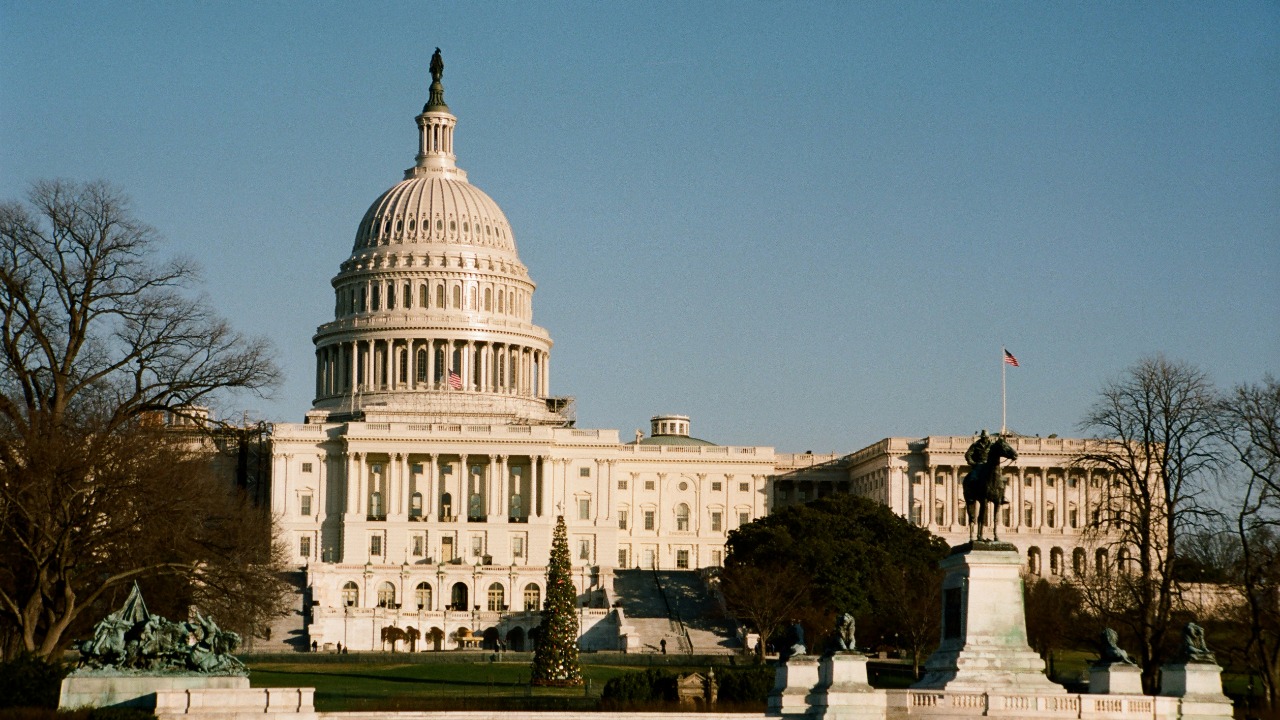
Political reactions to the proposed changes have been divided along party lines. Republicans generally support the initiative, citing potential economic benefits and increased financial freedom for retirees. Democrats, however, have raised concerns about the fiscal implications and potential risks to Social Security’s long-term stability.
Economists and Social Security experts have offered varied insights on the proposal’s feasibility. Some argue that the plan could stimulate economic activity by increasing consumer spending among retirees. Others caution that without careful planning, the changes could lead to budget deficits and strain public resources.
Public sentiment appears to be a blend of optimism and skepticism. While many future retirees view the proposal as a positive development, there is a prevailing sense of uncertainty. The need for transparent communication and detailed analyses is essential to address these concerns and foster informed decision-making.
Comparisons with Previous Policy Shifts

Trump’s approach to Social Security taxes is not his first policy reversal. During his presidency, he made notable shifts in response to the COVID-19 pandemic, such as altering social distancing guidelines. These policy shifts highlight the dynamic nature of governance and the influence of evolving circumstances on decision-making.
Lessons learned from past reversals emphasize the importance of adaptability and responsiveness to changing conditions. However, they also underscore the challenges of managing public perception and maintaining trust amid policy changes.
Partisan dynamics play a significant role in shaping policy shifts and their reception. The interplay between political ideologies and public opinion can either facilitate or hinder the implementation of new policies. Understanding these dynamics is crucial for navigating the complexities of governance and policy-making.
What Retirees Should Do Now

In light of the proposed changes, retirees should consider taking proactive steps to prepare for potential shifts in Social Security taxes. Staying informed about legislative developments is crucial, as the situation remains fluid. Monitoring reliable news sources and government announcements can provide valuable insights.
Financial planning becomes increasingly important amid uncertainty. Consulting with financial advisors can help retirees assess their current financial situation and explore strategies to safeguard their assets. Diversifying income sources and reassessing investment portfolios are practical steps to enhance financial resilience.
Ultimately, staying engaged and informed is the best approach for retirees navigating these changes. By remaining vigilant and seeking expert advice, retirees can make informed decisions that align with their long-term financial goals and adapt to evolving policy landscapes.

Nathaniel Cross focuses on retirement planning, employer benefits, and long-term income security. His writing covers pensions, social programs, investment vehicles, and strategies designed to protect financial independence later in life. At The Daily Overview, Nathaniel provides practical insight to help readers plan with confidence and foresight.

