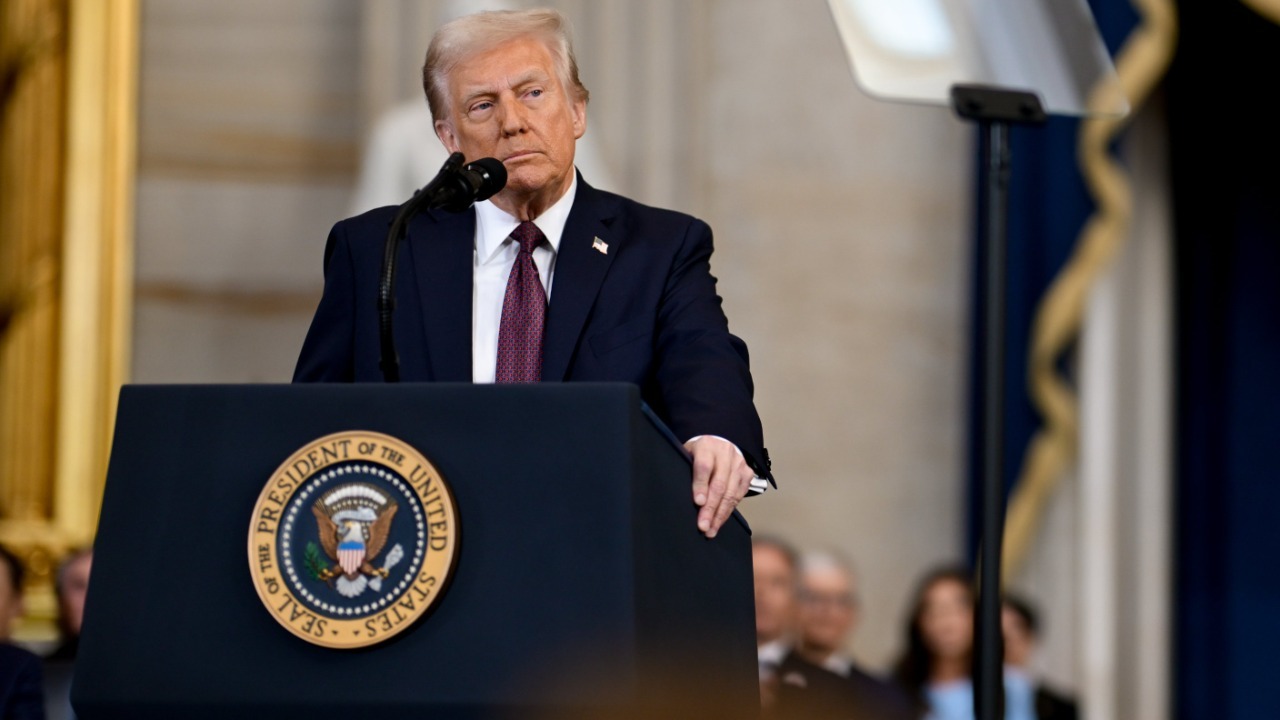
The imposition of a 17% tariff by the Trump administration on Mexican tomato imports has sent ripples through the agricultural sector, particularly affecting major exporters like the one discussed here. This decision has ramifications not only for the exporter but also for the broader economic and trade relations between the United States and Mexico.
Economic Impact on the Exporter
Increased Costs and Reduced Margins
The 17% tariff has directly impacted the financial ecosystem of major Mexican tomato exporters, significantly raising production costs and squeezing profit margins. For many exporters, including those with substantial market shares in the U.S., this tariff represents a substantial financial burden. Companies have been forced to reassess their pricing strategies to remain competitive while absorbing part of the additional cost. Some exporters have resorted to cost-cutting measures, such as optimizing logistics and reducing workforce hours, to mitigate the impact on their bottom line.
To counteract these challenges, exporters are exploring new strategies. These include diversifying their product lines and seeking alternative markets outside the U.S. Some are also investing in technology to improve efficiency and reduce costs. Despite these efforts, the immediate financial strain cannot be underestimated, with some companies reporting a decline in profits since the tariff’s implementation.
Supply Chain Disruptions
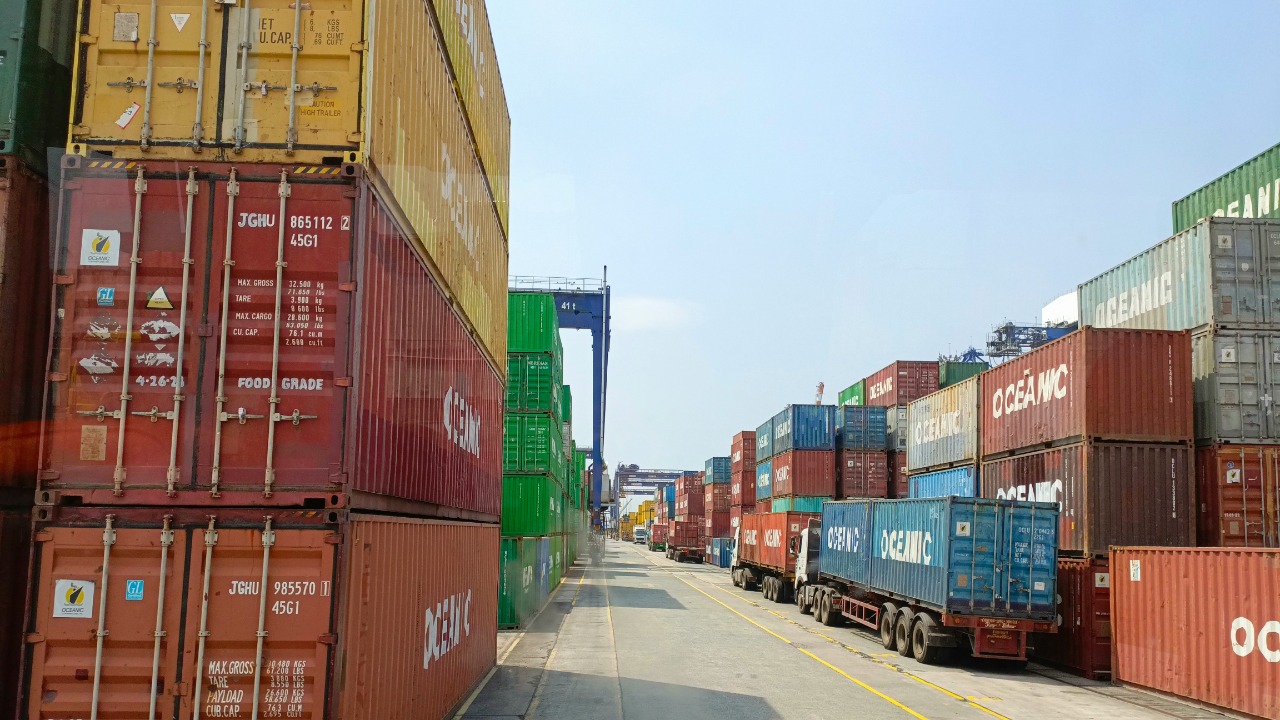
The tariff has also disrupted the intricate supply chains that facilitate tomato exports from Mexico to the U.S. Producers have reported increased logistical hurdles, from delays at border crossings to renegotiations with U.S.-based distributors and retailers. The added costs and complexities have strained long-standing relationships, leading some U.S. partners to seek alternative suppliers in other countries.
These disruptions have forced exporters to reconsider their distribution strategies. For instance, some have started forming direct partnerships with retailers to bypass traditional distribution channels. Others are exploring digital platforms to reach end consumers directly, although these efforts are still in nascent stages. The evolving landscape requires exporters to be agile and innovative in maintaining their market presence.
Broader Implications for Mexican Agriculture
Competitiveness in the Global Market
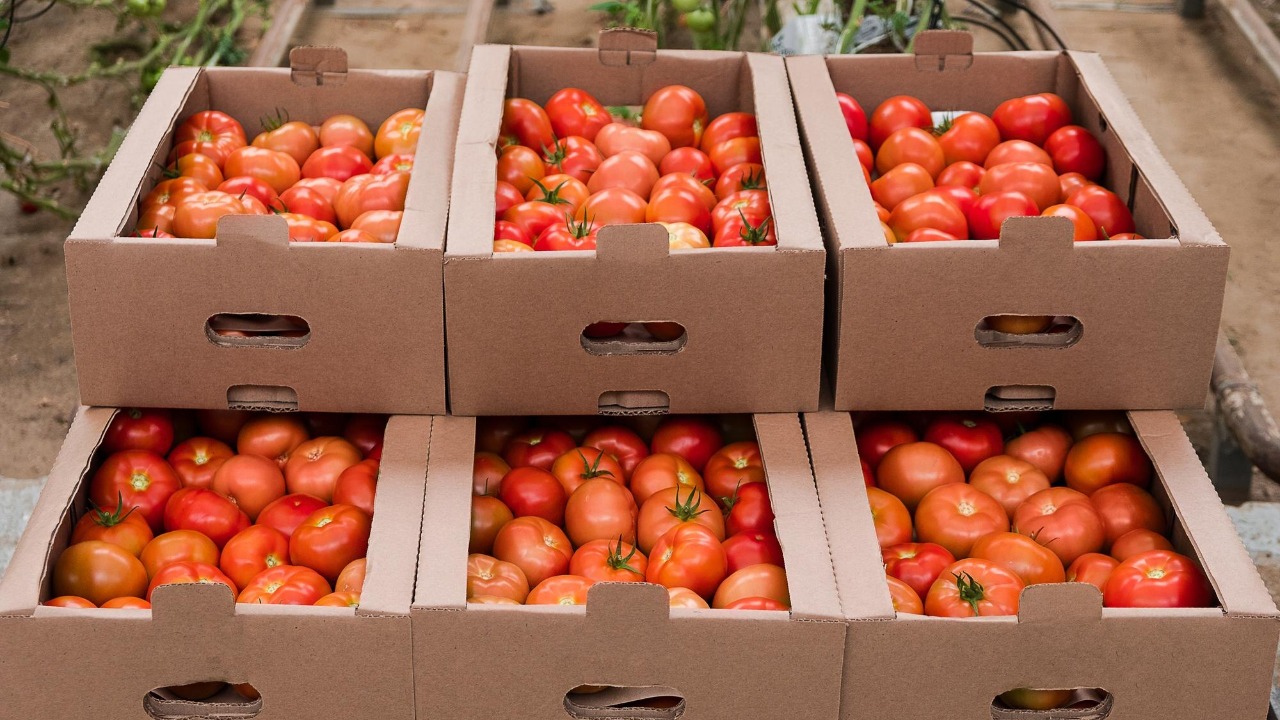
The imposition of the tariff has affected the competitiveness of Mexican tomatoes on the global stage. Countries such as Canada and the Netherlands, known for their own tomato exports, are increasingly vying for the U.S. market share. The tariff has made it more challenging for Mexican exporters to compete on price, prompting concerns about a long-term shift in trade dynamics.
Within the North American Free Trade Agreement (NAFTA) framework, there is growing apprehension that Mexico’s position could weaken if the tariff remains in place. Despite these challenges, Mexican exporters are exploring opportunities to enhance their value proposition through organic and specialty tomato varieties, which may offer a competitive edge in niche markets.
Effects on Employment and Rural Communities
The tariff’s impact extends beyond the immediate financial concerns of exporters, affecting employment and rural communities reliant on tomato farming. Many agricultural workers have faced reduced hours or job losses as companies grapple with the increased costs. This situation exacerbates existing economic challenges in rural areas, where tomato farming is a primary source of income.
Consequently, the social fabric of these communities is under pressure, with families struggling to make ends meet. Some regions have seen a rise in migration to urban areas in search of employment, leading to depopulation in rural zones. The ripple effects of the tariff underscore the interconnectedness of trade policies and local economies.
U.S.-Mexico Trade Relations

Historical Context and Policy Changes
The trade relationship between the U.S. and Mexico has long been a cornerstone of both nations’ agricultural sectors. Historically, agreements like NAFTA have facilitated the flow of goods, including tomatoes, across borders. However, the recent tariff signifies a shift in policy, introducing uncertainty into a previously stable relationship.
These changes have prompted discussions about the future of trade agreements and the need for updated policies that reflect the current economic landscape. Policymakers on both sides of the border are considering measures to address these challenges while maintaining the benefits of cross-border trade.
Political Reactions and Negotiations
In Mexico, the tariff has sparked significant political and industry response. Government officials and industry leaders have voiced their opposition, emphasizing the detrimental effects on the agricultural sector. Diplomatic efforts are underway to negotiate a resolution, with both countries exploring potential compromises that could alleviate the tariff’s impact.
These negotiations highlight the complexity of international trade and the need for balanced solutions that consider the interests of all stakeholders. As discussions continue, the hope is to find a mutually beneficial agreement that restores stability to U.S.-Mexico trade relations and supports the agricultural communities on both sides of the border.
Consumer and Market Reactions
Impact on U.S. Consumers
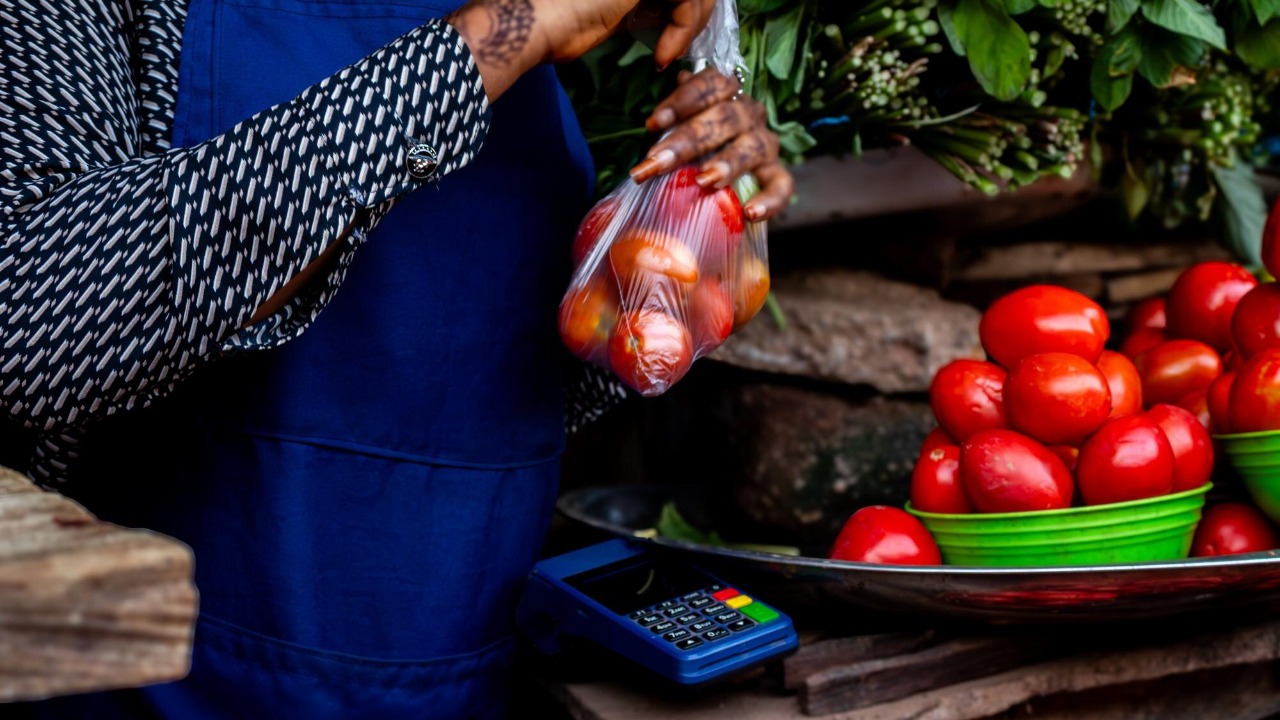
The 17% tariff has not gone unnoticed by U.S. consumers, who have seen changes in tomato prices and availability. Retailers have had to adjust pricing to reflect increased import costs, leading to higher prices for consumers. This has sparked varied reactions, with some consumers seeking alternative produce options or turning to locally grown tomatoes.
In some areas, the potential for shortages has become a concern, particularly during peak demand seasons. Consumer perceptions are shaped by these market changes, influencing purchasing decisions and loyalty. The situation underscores the interconnected nature of global supply chains and their direct impact on everyday consumer experiences.
Market Adaptations and Innovations
Despite the challenges, the market has shown resilience, with adaptations and innovations emerging in response to the tariff. Some Mexican exporters are exploring alternative trade routes and partnerships to bypass the tariff’s impact. Others are investing in technology and sustainability initiatives to enhance their competitiveness.
Organizations are also leveraging digital platforms and direct-to-consumer models to reach U.S. markets more effectively. These innovations reflect a broader trend of adaptation within the industry, as players seek creative solutions to navigate the new trade landscape. As these strategies evolve, they may pave the way for a more resilient and dynamic agricultural sector that can withstand future uncertainties.

Grant Mercer covers market dynamics, business trends, and the economic forces driving growth across industries. His analysis connects macro movements with real-world implications for investors, entrepreneurs, and professionals. Through his work at The Daily Overview, Grant helps readers understand how markets function and where opportunities may emerge.

