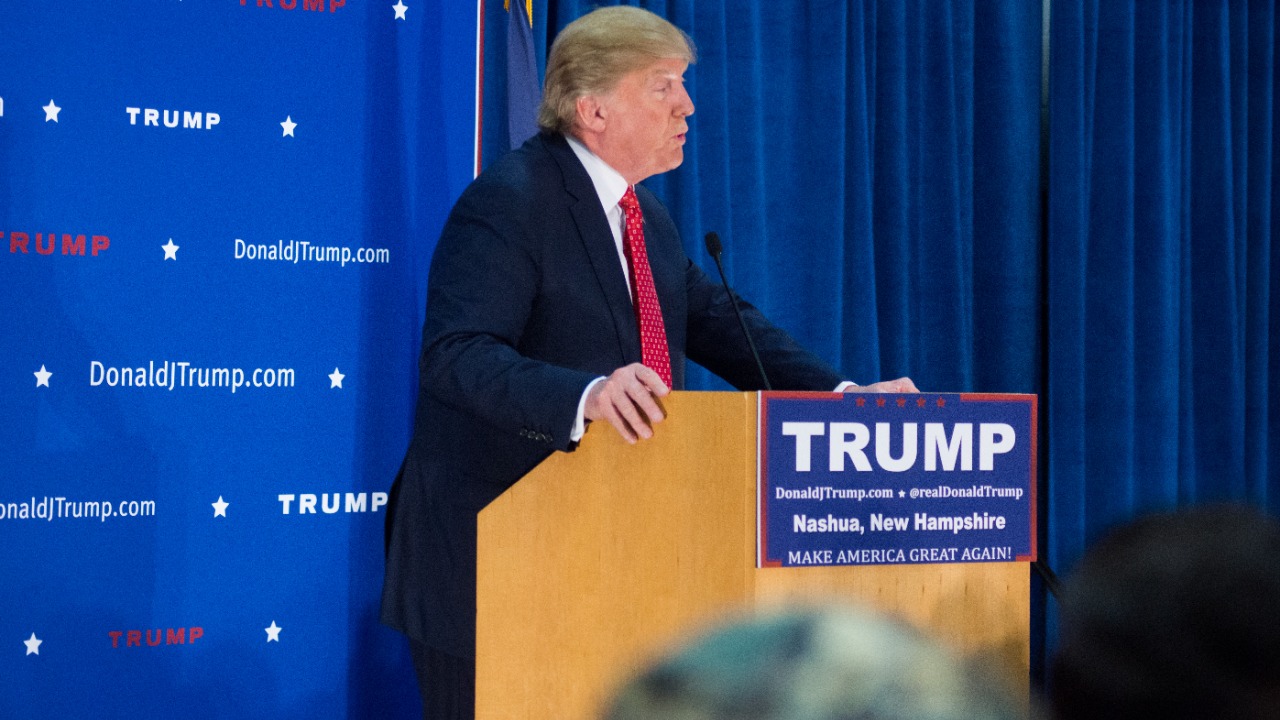
President Trump has recently implemented significant tariffs on various imports, including drugs, heavy trucks, and furniture. Among these, a 25% tariff on heavy truck imports is set to take effect on October 1. This move is part of a broader strategy to reshape trade dynamics, impacting major brands like Adidas, Walmart, and Home Depot. These companies have indicated that the tariffs are compelling them to raise prices across a range of products. Furniture companies, in particular, are feeling the heat as Trump has vowed to impose specific tariffs on their sector, leading to increased pressure to adjust prices on most items to manage the added costs.
Trump’s Recent Tariff Announcements Targeting Furniture
President Trump’s commitment to imposing tariffs on the furniture sector has sparked significant concern among industry stakeholders. The potential impact on consumer prices is substantial, as tariffs on timber, lumber, and furniture could lead to increased costs for manufacturers and, consequently, consumers. According to ABC News, Trump’s policy statements suggest a strategic focus on protecting domestic industries, but the ripple effects could mean higher prices for consumers.
In a recent update, Trump unveiled tariffs on timber, lumber, and furniture, while granting a reprieve to Pfizer, highlighting the selective nature of these trade measures. The Yahoo Finance report indicates that these tariffs are part of a broader strategy to bolster domestic production. However, the immediate consequence is likely to be an increase in the cost of goods, as companies pass on the additional expenses to consumers.
The steep tariffs on furniture, alongside those on drugs and heavy trucks, are set to reshape the market landscape. As reported by Reuters, these measures are designed to protect American jobs and industries, but they also pose challenges for businesses that rely on imported materials. The timeline for these tariffs is crucial, with the heavy truck tariffs taking effect on October 1, signaling a swift implementation of these policies.
Major Retailers Responding to Tariff Pressures
Adidas is among the major brands responding to the tariff pressures by raising prices. The company has announced that the tariffs are affecting their product lines, leading to increased costs that are being passed on to consumers. According to Business Insider, Adidas is adjusting its pricing strategy to manage the financial impact of the tariffs, which underscores the broader trend of price hikes across various sectors.
Walmart has also decided to increase prices in response to the tariffs. The retail giant has cited the tariffs as a primary reason for the price adjustments, affecting a wide range of goods. This move reflects the company’s need to balance cost management with consumer expectations. The rationale behind these increases is to offset the additional expenses incurred due to the tariffs, as highlighted in the Business Insider report.
Home Depot is another retailer feeling the impact of the tariffs, leading to price hikes on various products. The company has stated that the increased costs are being passed through to consumers, with specific examples of affected goods illustrating the direct impact of the tariffs. This strategy is part of a broader effort to maintain profitability while navigating the challenges posed by the new trade measures.
Broader Industry-Wide Price Adjustments
The ripple effect of Trump’s tariffs is evident across multiple industries, with companies raising prices to cope with the increased costs. As reported by CNN, the tariffs are prompting widespread price adjustments, affecting sectors beyond furniture. This pattern highlights the interconnected nature of global supply chains and the challenges businesses face in adapting to new trade policies.
For the furniture industry specifically, the implications of Trump’s tariff vows are significant. Companies are expected to increase prices on most products as they navigate the financial pressures of the tariffs. This trend is likely to continue as businesses seek to maintain their margins in the face of rising costs. The anticipated price increases underscore the broader economic impact of the tariffs, as companies adjust their strategies to remain competitive.
Other major brands are also joining the wave of price increases due to the tariffs. Each entity’s response is tailored to its specific circumstances, but the common thread is the need to manage the financial impact of the tariffs. This trend reflects a broader shift in the market, as companies across various sectors adapt to the new trade environment.
More From TheDailyOverview
- Dave Ramsey says these two simple questions show whether you’re rich or poor
- Retired But Want To Work? Try These 18 Jobs for Seniors That Pay Weekly
- IRS raises capital gains thresholds for 2026 and what’s new
- 12 ways to make $5,000 fast that actually work

Julian Harrow specializes in taxation, IRS rules, and compliance strategy. His work helps readers navigate complex tax codes, deadlines, and reporting requirements while identifying opportunities for efficiency and risk reduction. At The Daily Overview, Julian breaks down tax-related topics with precision and clarity, making a traditionally dense subject easier to understand.

