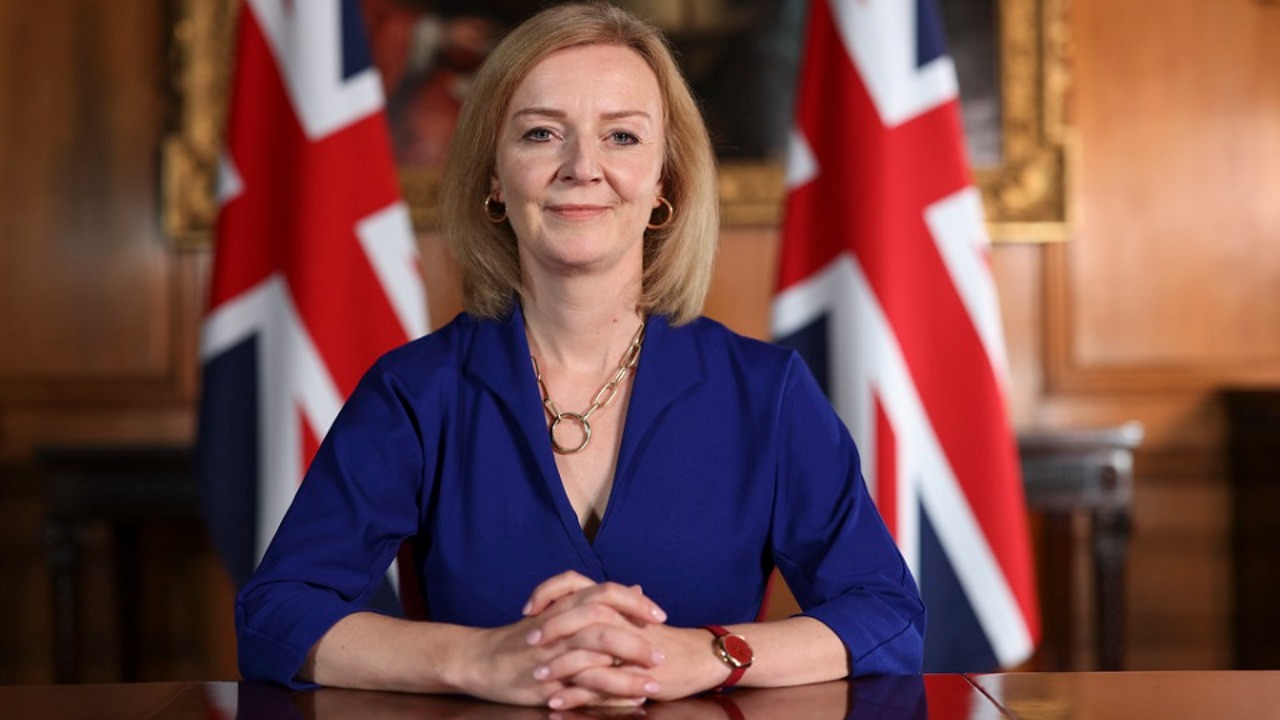
Liz Truss has re-emerged in public life not with a policy platform but with a pitch: an exclusive investment tied to a luxury workspace aimed squarely at the ultra-wealthy. Her new role fronting a high-end redevelopment of a former security service headquarters crystallises how a short, turbulent spell in office has given way to a different kind of influence, one rooted in access, capital and curated networks rather than votes.
As a former United Kingdom prime minister, Truss carries a political brand that still polarises, yet the project she is now championing suggests she sees opportunity in that notoriety. By aligning herself with a lavish co-working concept for the richest clients, she is testing whether the same connections that once powered a leadership bid can now be monetised in a more rarefied corner of the property and investment world.
The ex-MI5 HQ reborn as a club for capital
At the centre of Truss’s return is a plan to transform Mayfair’s Leconfield House, a building long associated with the United Kingdom’s security establishment, into a shared office and networking hub for the global elite. In a promotional video recorded on Nov 25, 2025, she outlines a vision in which the former MI5 base becomes a plush workspace where high net worth individuals can rent offices, hold meetings and cultivate deals in one of London’s most expensive postcodes, turning a symbol of state secrecy into a private enclave for wealth.
The project is being led by property investor Robert Tchenguiz, with Truss acting as the public face of the offer and helping to market the conversion of Mayfair’s Leconfield House to prospective backers. The pitch leans heavily on the cachet of the address and the building’s history, promising investors not just a stake in London real estate but a share in a members’ club-style environment designed for people used to private banks, family offices and discreet concierge services.
A tech-infused concierge for the ultra-rich
What sets this scheme apart from a conventional office redevelopment is the promise of technology that does more than manage lighting and security. Truss has promoted a model in which artificial intelligence is embedded in the building’s operations to monitor who is on site at any given time and to suggest introductions between occupants whose interests or portfolios might align. The idea is that the property itself becomes a matchmaking engine for capital, turning chance encounters in corridors into curated meetings driven by data.
According to the plan, this AI layer would track attendance and preferences so that when a particular investor or founder arrives, the system can recommend who they should meet or even which documents should be waiting on their desk, effectively turning Leconfield House into a kind of physical social network for money. The promise that Artificial intelligence will be built into the venture is central to the sales pitch, signalling that this is not just another serviced office but a data-driven environment designed to maximise deal flow for its wealthy clientele.
Robert Tchenguiz, political money and Truss’s new role
The choice of partner is as revealing as the project itself. Robert Tchenguiz has long been a prominent figure in London’s property and investment circles, and his decision to enlist a former prime minister as the face of his latest scheme underscores how politics and high finance continue to intersect. Truss is not simply endorsing a building; she is lending her profile and network to a venture that depends on attracting a very specific class of investor who values both exclusivity and proximity to power.
Financial ties between Tchenguiz and Truss’s political activity also run through the story. Reporting on the fundraising around her post-premiership platform notes that One person familiar with the matter said it’s likely further donations from Tchenguiz will be forthcoming. Truss, form, suggesting that the relationship is not confined to a single property deal. For investors weighing the Leconfield House opportunity, that overlap between political fundraising and commercial partnership is part of the context, raising questions about how Truss’s ongoing ambitions and alliances might shape the project’s trajectory.
Brand rehabilitation or a new business model?
For Truss, fronting a luxury workspace for the ultra-wealthy is also a test of whether she can reposition herself after leaving office. Rather than retreating from public view, she is using her visibility to sell an asset that trades on scarcity and status, effectively turning her political notoriety into a marketing tool. The promotional material casts her as a guide to a rarefied London, someone who can introduce investors to a building and a network that would otherwise be out of reach.
That strategy is evident in the way the project is being showcased to potential backers, including through online posts that highlight how she’s fronting a plan by Robert Tchenguiz to turn the ex MI5 HQ into a co-working space for the ultra-rich. By leaning into that narrative, Truss is not only selling square footage; she is selling the idea that her own experience at the top of government gives her unique insight into how and where the global rich want to work, meet and invest.
What this says about London’s elite ecosystem
The Leconfield House project also offers a snapshot of how London continues to market itself to global wealth. Turning a former security service headquarters into a private club for investors fits a broader pattern in which historic or institutional buildings are repurposed as luxury assets, from hotels in converted courthouses to apartments in ex-government offices. In this case, the symbolism is particularly sharp: a site once dedicated to national security is being reimagined as a secure, AI-enabled playground for capital.
That transformation is part of a wider ecosystem of high-end developments and private clubs clustered in and around Mayfair, where addresses carry as much weight as amenities. The decision to anchor this venture in a building that can be located through its long-standing place in the city’s geography underlines how much of the value lies in the postcode itself. By stepping into this world as a pitchwoman for an investment tailored to the ultra-rich, Truss is aligning herself with a version of London that is less about public service and more about private opportunity, a shift that may define the next chapter of her career as much as any future speech or policy intervention.
More From TheDailyOverview
- Dave Ramsey warns to stop 401(k) contributions
- 11 night jobs you can do from home (not exciting but steady)
- Small U.S. cities ready to boom next
- 19 things boomers should never sell no matter what

Grant Mercer covers market dynamics, business trends, and the economic forces driving growth across industries. His analysis connects macro movements with real-world implications for investors, entrepreneurs, and professionals. Through his work at The Daily Overview, Grant helps readers understand how markets function and where opportunities may emerge.

