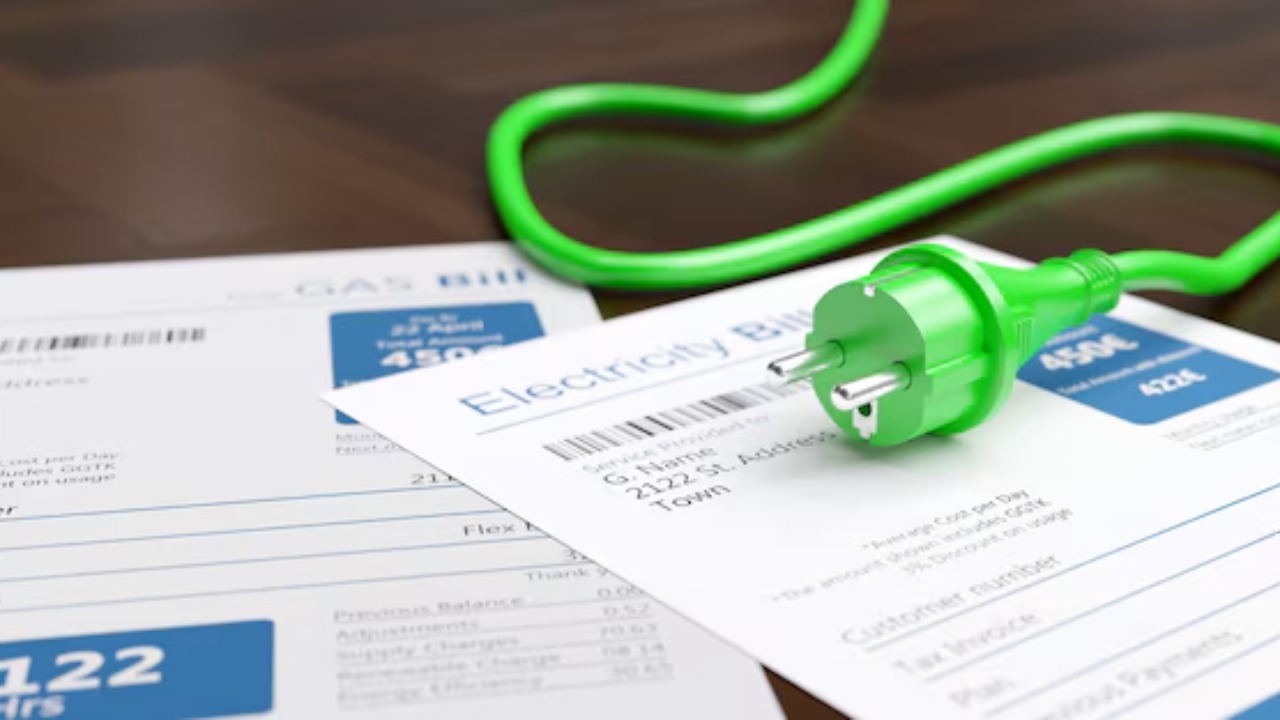
Electricity bills are climbing faster than many household budgets, but cutting them does not always require expensive upgrades or complicated tech. One simple habit change, applied consistently, can trim your monthly costs while also easing strain on the wider power grid. I focus on a single, practical move: shifting when and how you use your biggest appliances so you draw less power during the most expensive hours of the day.
That timing tweak, often called “load shifting,” is already built into how utilities price power and how modern devices are designed to run. By leaning into those features, I can reduce my own peak-time demand, take advantage of cheaper off-peak rates where they exist, and help stabilize a system that is under growing pressure from extreme weather and rising air-conditioning use.
Why timing your power use matters more than ever
The core idea is straightforward: electricity is usually most expensive when demand is highest, typically in the late afternoon and early evening when people get home, turn on lights, cook, and cool their homes. Utilities have to keep enough generation ready for those spikes, and that capacity is costly. When I move energy-hungry tasks like laundry, dishwashing, or electric-vehicle charging out of those peak windows, I am not just lowering my own bill, I am also helping reduce the need for the most expensive and polluting power plants that kick in during surges in demand. Many utilities now structure their pricing around this pattern, using time-of-use plans that charge more during peak hours and less overnight or midday, which makes the timing of my usage as important as the total amount.
This shift in focus from “how much” to “when” is becoming more important as heat waves and cold snaps push grids to their limits. Grid operators have warned that extreme temperatures can drive record demand, especially from air conditioning, at the same time that some power plants or transmission lines are stressed. In those conditions, even modest reductions in peak demand can help avoid outages and reduce the need for emergency measures. Time-of-use pricing, demand response programs, and smart meters are all tools utilities use to nudge customers toward off-peak consumption, and they work best when people consciously schedule their high-load activities to match those incentives.
The simple move: shift big appliances off-peak
The most effective single move I can make is to run my largest appliances outside the most expensive hours. That means setting the dishwasher to start late at night, doing laundry early in the morning or later in the evening, and avoiding electric-oven marathons right when the grid is under the most strain. Many modern dishwashers and washing machines include delay-start functions that make this easy: I can load them after dinner, set a timer, and let them run while I sleep. If my utility offers time-of-use rates, those cycles can fall into the cheapest price periods, turning a small habit change into a recurring monthly saving.
Electric-vehicle charging is another major lever. Instead of plugging in as soon as I get home, I can schedule my car to charge after midnight or during designated off-peak windows, which some utilities price significantly lower than evening hours. Many EVs and home chargers allow me to set a charging schedule directly in the car’s settings or through a companion app, so I can “set it and forget it” while still ensuring the battery is full by morning. By moving both EV charging and other large loads like electric dryers out of the early evening, I reduce my contribution to the daily demand spike that drives higher system costs and, in many regions, higher emissions.
How to find your peak hours and price signals
To make this timing strategy work, I first need to know when my electricity is actually most expensive. Utilities that use time-of-use pricing usually publish clear schedules that break the day into peak, shoulder, and off-peak periods, sometimes with different patterns for weekdays and weekends. I can typically find those details on my online account dashboard or in the rate-plan section of the utility’s website. Smart meters, where they are installed, often come with online tools or mobile apps that show my hourly usage, which helps me see exactly when my consumption spikes and how much I could save by shifting it.
Even if I am on a flat-rate plan, utilities and regional grid operators often issue public guidance during high-demand events, asking customers to reduce usage during specific hours. Those alerts are a strong signal that the grid is under stress and that shifting my usage can have an outsized impact, even if my own rate does not change. Some companies also offer demand response programs that pay customers small credits to let the utility briefly adjust smart thermostats or other connected devices during peak events. By enrolling in those programs and aligning my appliance use with the published peak and off-peak windows, I can turn the same simple timing move into both bill savings and direct incentives.
Use built-in tech to automate the habit
Once I know my peak hours, the next step is to automate as much of the timing shift as possible so it becomes a background habit rather than a daily chore. Many dishwashers, washing machines, and dryers sold in recent years include delay-start or programmable cycles that let me choose a start time several hours in the future. I can load the machine after dinner, set it to begin after the peak window ends, and wake up to clean dishes or laundry without having to remember to press start at midnight. Some smart appliances go further, connecting to home Wi-Fi and allowing scheduling through apps that can be adjusted from my phone.
Smart plugs and connected power strips extend this automation to devices that do not have built-in timers. By plugging a dehumidifier, window air conditioner, or even a space heater into a programmable smart plug, I can set it to run only during off-peak hours or to cycle more gently during the most expensive periods. Many smart plugs integrate with platforms like Google Home or Amazon Alexa, which means I can create routines that, for example, turn off nonessential devices at the start of a peak window and turn them back on later. For EVs, most major models and home chargers support scheduled charging, so I can align my car’s charging window with my utility’s cheapest rate period without manual intervention each night.
Pair timing with small efficiency tweaks for bigger gains
Shifting appliance use out of peak hours delivers savings on its own, but combining that timing move with basic efficiency steps amplifies the effect. If I run my dishwasher only when it is full, wash clothes in cold water when possible, and use energy-saving cycles, I reduce the total amount of electricity those off-peak runs consume. That means I am not just moving demand around the clock, I am also shrinking it. Simple habits like air-drying clothes when weather allows, using lids on pots to cook faster, and turning off lights in empty rooms all cut consumption without sacrificing comfort.
Heating and cooling are often the largest line items on a home’s electricity use, so modest thermostat adjustments can be powerful when timed strategically. In summer, I can pre-cool my home slightly before the peak window begins, then let the temperature drift up a degree or two while rates are highest, relying on ceiling fans to stay comfortable. In winter, pre-heating before peak hours and allowing a small setback during the most expensive period can have a similar effect. Smart thermostats make this easier by letting me program schedules that match my utility’s rate structure and by learning my preferences over time. When I combine those thermostat schedules with off-peak appliance use, I create a layered approach that trims both the intensity and the timing of my demand.
Track your progress and adjust over time
The final piece of making this simple move stick is tracking how it affects my bill and adjusting as needed. Many utilities provide monthly or even weekly usage summaries that break down my consumption by time of day, sometimes with comparisons to similar homes. By reviewing those charts, I can see whether my peak-period usage is actually dropping and how much of my total consumption has shifted into cheaper hours. If my utility offers bill forecasting tools, I can experiment with different schedules and see how they might change my costs before I commit to new routines.
Over time, I can refine my approach based on what delivers the most savings with the least disruption. If I notice that running the dryer at night is noisy, I might move that task to early morning instead while still staying outside the peak window. If a new rate plan becomes available, such as a more aggressive time-of-use option or an EV-specific tariff, I can compare it to my current plan using my actual usage patterns. The key is that once I have shifted my biggest loads out of the most expensive hours and automated that behavior where possible, the ongoing effort is minimal. The combination of smarter timing, modest efficiency tweaks, and periodic check-ins with my usage data turns one simple move into a durable strategy for keeping electricity costs in check.
More From TheDailyOverview
- Dave Ramsey warns to stop 401(k) contributions
- 11 night jobs you can do from home (not exciting but steady)
- Small U.S. cities ready to boom next
- 19 things boomers should never sell no matter what

Cole Whitaker focuses on the fundamentals of money management, helping readers make smarter decisions around income, spending, saving, and long-term financial stability. His writing emphasizes clarity, discipline, and practical systems that work in real life. At The Daily Overview, Cole breaks down personal finance topics into straightforward guidance readers can apply immediately.
