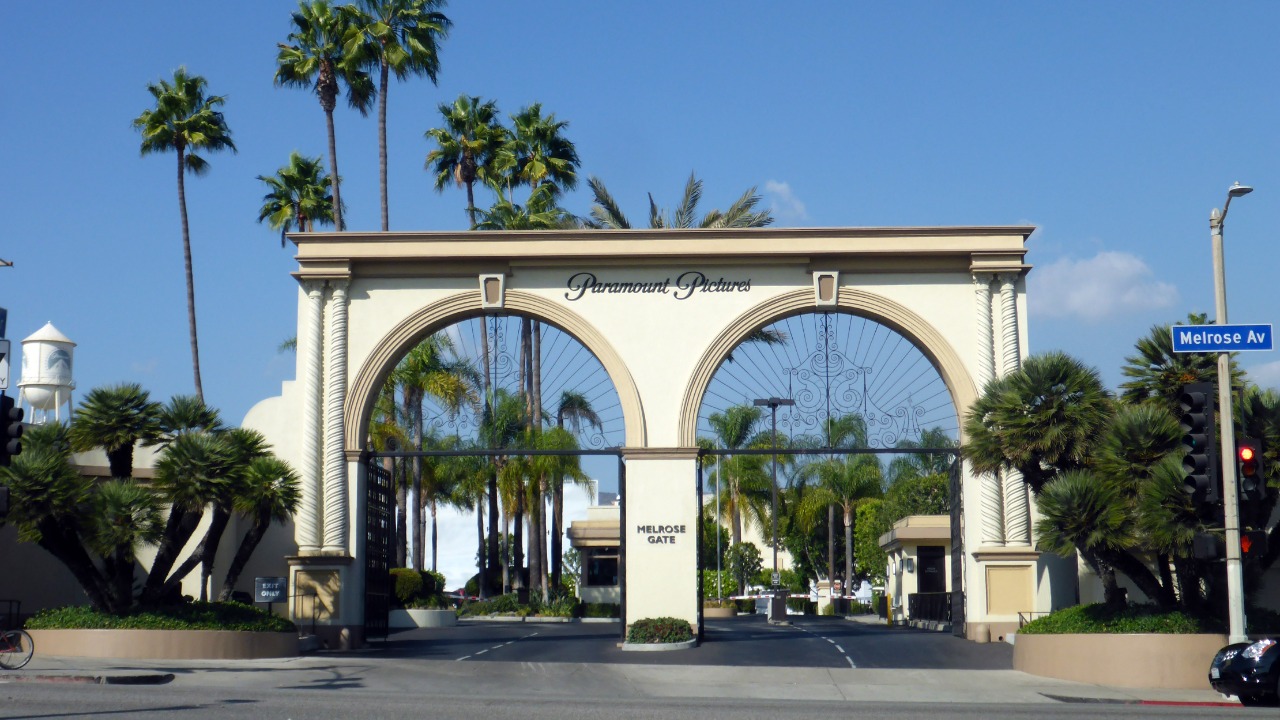
Two of Paramount’s signature lots in Los Angeles and New York went quiet after hundreds of staffers walked off the job rather than accept a stricter return-to-office mandate, freezing productions and postproduction work that usually hum around the clock. The coordinated action, centered on rank-and-file creative and corporate workers, turned a long-simmering dispute over hybrid work into a very public stress test of the newly merged studio’s strategy.
What unfolded on those darkened lots was not an isolated flare-up but the culmination of months of tension over where and how people in Hollywood’s corporate backbone are expected to work, and what they are willing to give up to keep that flexibility.
The September walkout that shut down two hubs
When hundreds of staffers streamed out of Paramount’s Los Angeles and New York hubs earlier this September, the immediate effect was visible on the ground: soundstages went quiet, office lights dimmed, and key support teams simply were not at their desks. Reporting on the disruption describes how about 600 people left their posts in protest, a scale large enough that the company’s two largest hubs effectively stalled. The action, framed internally as a last resort, was aimed squarely at a new in-person requirement that many employees saw as out of step with how their jobs had evolved during years of remote and hybrid work.
The walkout was not limited to a single department or prestige tier, which is why the impact rippled so quickly across the lots. Staff at the vice president level and below in Los Angeles and New York were described as “offered” a stark choice between complying with the new schedule or exiting, and many chose to demonstrate their leverage by walking out together. That collective move turned what might have been a quiet wave of resignations into a visible shutdown of two of the most recognizable pieces of real estate in the entertainment business.
From walkout to mass exits and a $185 million hit
The September show of force quickly evolved into something more permanent, as hundreds of those same workers decided they would rather leave than return under the new rules. Company filings and subsequent coverage describe how 600 Paramount Skydance employees ultimately quit instead of coming back to the office, a wave of departures that hit just as leadership was trying to stabilize the merged company. In its accounting, the studio acknowledged that the decision to let people walk rather than soften the mandate carried a price tag of Paramount Loses $185 in related costs, a figure that underscores how expensive it can be when a workforce calls management’s bluff.
Other accounts of the same internal reckoning describe the exodus in similar terms, noting that Paramount Torches $185 as Employees Reject Return an Office Offer and that The RTO policy “hit like a tidal wave” inside the company. In that telling, the walkout and subsequent resignations were not a surprise so much as the inevitable result of a mandate that collided with a workforce that had already reorganized its life around hybrid norms.
Ellison’s mandate, severance offers, and the next 1,600 jobs
Behind the scenes, the push that darkened the lots traces back to leadership decisions made after the merger that created the current studio structure. Coverage of those moves notes that Ellison tied a new RTO mandate to a severance program that allowed 600 Paramount Employees Took a Severance Offer Instead of returning, effectively turning the policy into a filter for who would stay in the building. That structure gave workers a clear off-ramp but also signaled that leadership was willing to absorb significant short term pain to reset the culture around in-person work. The walkout on the lots was, in many ways, the visible expression of that internal sorting process.
The stakes extend beyond those who have already left. Another analysis of the fallout reports that 600 Workers Quit Paramount After Harsh Return to the Office Mandate, with Another 1,600 Jobs on the Line as part of the same internal shake up. That looming second wave means the darkened lots in Los Angeles and New York may be only the first visible sign of a deeper restructuring of how, and by whom, Paramount’s core business is run.
More From TheDailyOverview
- Dave Ramsey says these two simple questions show whether you’re rich or poor
- Retired But Want To Work? Try These 18 Jobs for Seniors That Pay Weekly
- IRS raises capital gains thresholds for 2026 and what’s new
- 12 ways to make $5,000 fast that actually work

Grant Mercer covers market dynamics, business trends, and the economic forces driving growth across industries. His analysis connects macro movements with real-world implications for investors, entrepreneurs, and professionals. Through his work at The Daily Overview, Grant helps readers understand how markets function and where opportunities may emerge.

