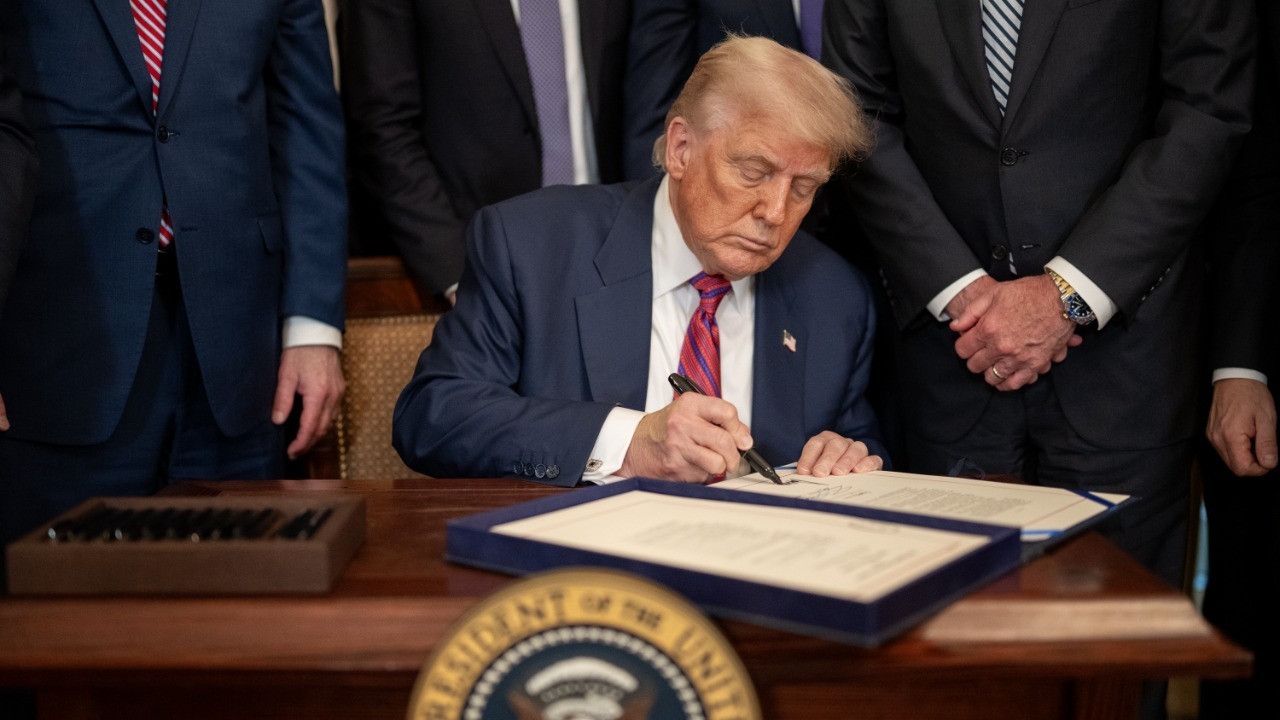
The United States and Australia have taken a significant step in securing their critical minerals supply by signing an agreement that establishes an $8.5 billion project pipeline. This initiative, led by President Donald Trump and Prime Minister Anthony Albanese, aims to ensure a steady supply of rare earths and other essential resources. The agreement also includes a separate $3 billion critical minerals deal focused on joint development, with each government contributing $1 billion to the broader initiative. This marks the first summit between the leaders to address the security of rare earths.
Background on Critical Minerals Cooperation
Critical minerals, such as rare earths, play a vital role in global supply chains, particularly in the production of high-tech devices, electric vehicles, and defense systems. The U.S. and Australia have recognized the strategic importance of these resources and are working to reduce their dependence on dominant suppliers like China. This partnership is a continuation of efforts to build resilient supply chains, ensuring that both nations can maintain technological and industrial competitiveness. The recent summit between Trump and Albanese highlighted rare earths security as a key discussion point, underscoring the urgency of diversifying supply sources.
The U.S.-Australia alliance in minerals has been strengthening over recent years, with both countries investing in infrastructure and technology to support the extraction and processing of critical minerals. This collaboration is not only about securing resources but also about fostering innovation and economic growth. By working together, the U.S. and Australia aim to create a more balanced and secure global supply chain for these essential materials.
Details of the $8.5 Billion Project Pipeline
The $8.5 billion project pipeline agreement is structured to secure a long-term supply of critical minerals for both the United States and Australia. Each government will contribute $1 billion to this initiative, demonstrating their commitment to enhancing their mineral supply chains. The pipeline will focus on joint investments in mining, processing, and refining projects, ensuring that both countries can meet their domestic and international demands.
This agreement is a significant step forward in securing the future of critical minerals supply. By investing in these projects, the U.S. and Australia are not only safeguarding their own industries but also setting a precedent for other nations to follow. The collaboration between these two countries serves as a model for how strategic partnerships can address global challenges and create sustainable solutions.
The $3 Billion Critical Minerals Deal
The specific $3 billion critical minerals deal signed between the U.S. and Australia is a foundational element of the larger $8.5 billion agreement. This commitment targets immediate advancements in mineral extraction and technology sharing, providing a framework for enhanced bilateral cooperation. By integrating this deal into the overall framework, both countries are poised to make significant strides in securing their critical minerals supply.
This $3 billion deal is particularly focused on accelerating the development of new technologies and processes for mineral extraction. By sharing expertise and resources, the U.S. and Australia can achieve greater efficiency and sustainability in their mining operations. This collaboration not only benefits the two nations involved but also contributes to the global effort to secure critical minerals for future generations.
Strategic Aims to Counter China
The agreement between the U.S. and Australia is also strategically aimed at countering China’s dominance in the critical minerals and rare earths markets. By strengthening their supply chain security, both countries are reducing their vulnerability to geopolitical risks associated with reliance on Chinese resources. This move is part of a broader strategy to diversify sourcing and support domestic industries in both nations.
The implications of this agreement extend beyond the immediate benefits for the U.S. and Australia. By challenging China’s market dominance, this partnership could lead to more competitive pricing and increased availability of critical minerals on the global market. This diversification is crucial for industries that rely heavily on these resources, ensuring that they can continue to innovate and grow without being constrained by supply chain disruptions.
Overall, the U.S.-Australia critical minerals agreement represents a significant milestone in the effort to secure essential resources for the future. By investing in joint projects and fostering international cooperation, both countries are taking proactive steps to address the challenges of the modern global economy. This partnership not only strengthens their own industries but also sets a new standard for how nations can work together to achieve common goals.

Grant Mercer covers market dynamics, business trends, and the economic forces driving growth across industries. His analysis connects macro movements with real-world implications for investors, entrepreneurs, and professionals. Through his work at The Daily Overview, Grant helps readers understand how markets function and where opportunities may emerge.

