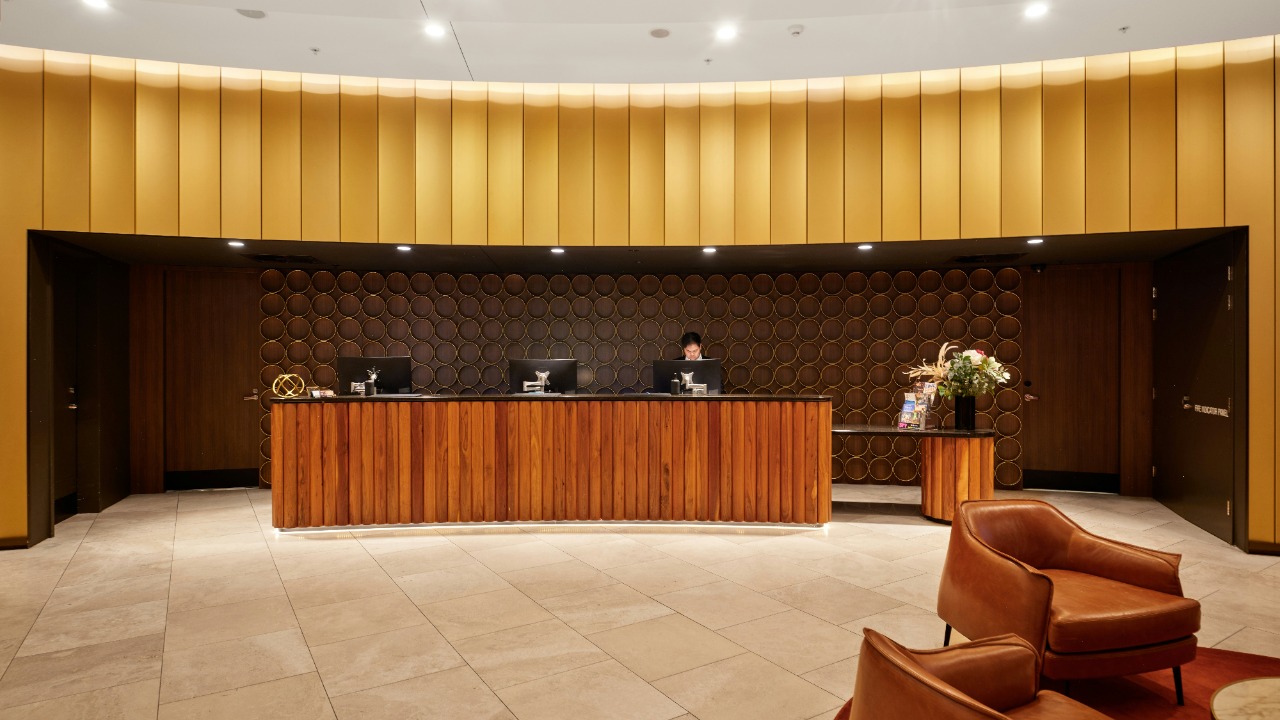
The ongoing U.S. government shutdown is wreaking havoc on the hospitality sector, leaving hotels across the nation with empty rooms and significant revenue losses. This financial strain highlights the broader economic impact of federal disruptions, as businesses reliant on travel and tourism face unique vulnerabilities. Unlike similar situations abroad, such as France’s 2019 strikes that left hotels vacant, the current U.S. scenario underscores the critical dependency of American hotels on government stability.
Shutdown’s Direct Hit on Hotel Occupancy
Major U.S. hotel chains are experiencing a sharp decline in bookings due to the 2025 government shutdown, with rooms sitting empty and revenue plummeting. In key locations like Washington, D.C., where federal workers are a significant customer base, furloughs have led to widespread cancellations. According to Business Insider, the financial impact is staggering, with millions of dollars in lost revenue as hotels struggle to fill their rooms. Operators report that the shutdown has resulted in a pattern of unoccupied properties, exacerbating the financial strain on an already vulnerable industry.
The situation is particularly dire in tourist hubs that rely heavily on government-related travel. Hotel operators in these areas have expressed concerns over the significant revenue shortfalls, with some reporting losses in the millions. This downturn not only affects the bottom line but also threatens the viability of many establishments that depend on consistent occupancy rates to remain operational. The shutdown has highlighted the precarious nature of the hospitality industry, which is highly sensitive to disruptions in government operations.
Economic Ripple Effects Beyond Hotels
The impact of the shutdown extends beyond empty hotel rooms, affecting a range of ancillary services. Demand for event spaces and catering within hotels has plummeted, leading to further economic repercussions. This mirrors international examples, such as the 2019 strikes in France, where supply chain disruptions left goods like salmon stuck in traffic, halting broader economic activity. The current U.S. shutdown similarly disrupts hotel operations, as reduced bookings lead to decreased demand for related services.
Job impacts are also significant, with hotel staff facing furloughs and hiring freezes. The shutdown has forced many hotels to cut back on staffing, exacerbating the financial strain on workers who rely on these jobs for their livelihood. According to reports, the ripple effects of the shutdown are felt across the hospitality sector, with employees bearing the brunt of the economic downturn. This situation underscores the broader implications of government shutdowns on employment and economic stability.
Longer-Term Recovery Challenges
Looking ahead, the hotel industry faces significant challenges in recovering from the shutdown. Analysts predict a slow rebound, with sustained trends of empty rooms posing a long-term threat to the sector’s viability. Proposed policy responses and potential bailouts for affected businesses are under discussion, but the path to recovery remains uncertain. The shutdown’s ongoing impact highlights the need for strategic planning and resilience-building measures to mitigate future disruptions.
Lessons from past disruptions, such as the economic aftermath of France’s 2019 strikes, offer valuable insights for U.S. strategies. During the French strikes, hotels faced similar challenges, with empty rooms and economic losses prompting a reevaluation of industry practices. By examining these international examples, U.S. businesses can develop more robust strategies to withstand future shocks. The current situation serves as a stark reminder of the interconnectedness of government operations and the hospitality sector, emphasizing the need for proactive measures to safeguard against future disruptions.
More From TheDailyOverview
- Dave Ramsey says these two simple questions show whether you’re rich or poor
- Retired But Want To Work? Try These 18 Jobs for Seniors That Pay Weekly
- IRS raises capital gains thresholds for 2026 and what’s new
- 12 ways to make $5,000 fast that actually work

Elias Broderick specializes in residential and commercial real estate, with a focus on market cycles, property fundamentals, and investment strategy. His writing translates complex housing and development trends into clear insights for both new and experienced investors. At The Daily Overview, Elias explores how real estate fits into long-term wealth planning.

