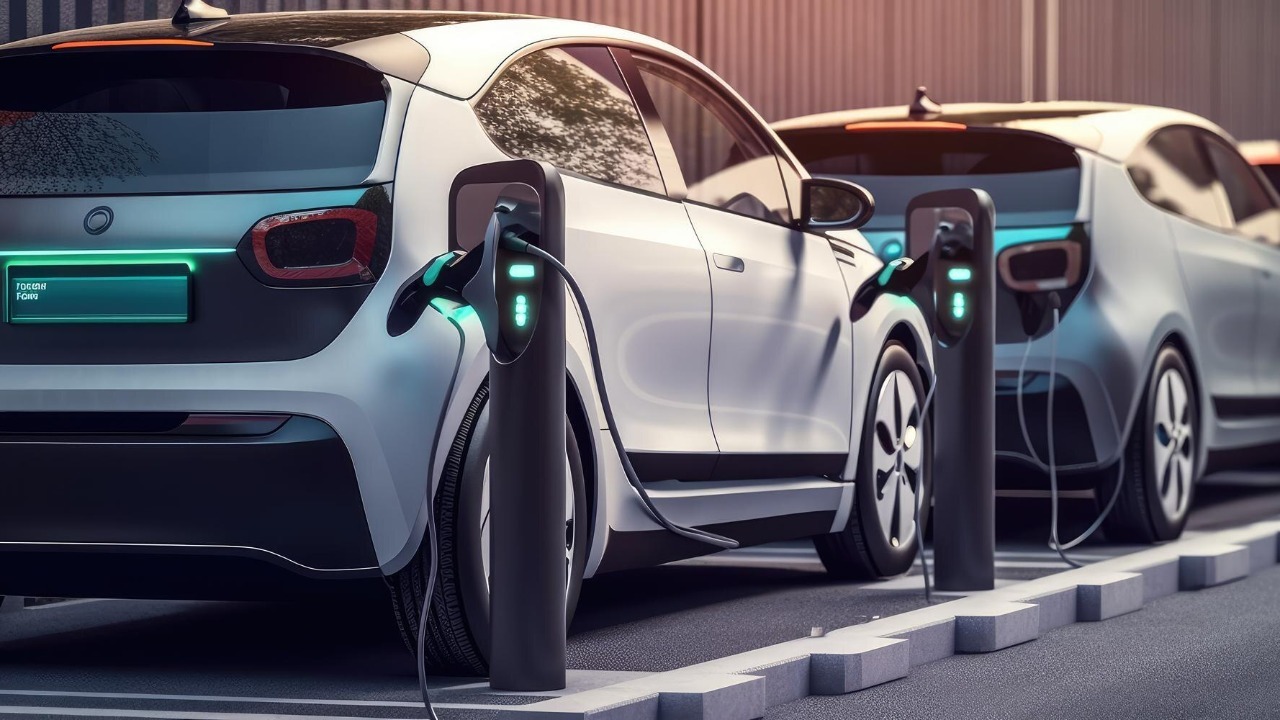
The UK government has scrapped a £950 million electric vehicle rapid charging fund originally announced by the Conservatives, replacing it with £400 million spread over five years. The decision comes as industry groups warn that planning bottlenecks at British ports are delaying infrastructure needed to meet net zero targets. Taken together, the reduced funding and slow consenting could make it harder for ports and other transport hubs to expand EV charging and wider electrification plans.
A £550 Million Shortfall in EV Charging Support
Labour’s decision to cancel the Rapid Charging Fund, reported by environment correspondents, removes a significant source of capital that ports, motorway service areas, and local authorities had expected to draw on for high-powered charger installations. The replacement commitment of £400 million over five years represents a cut of more than half from the original pledge, and the reduced figure must now cover the same sprawling national charging gap. For operators that had been modelling investments around the larger sum, the change forces a rapid recalculation of which projects can still proceed.
For ports specifically, the funding squeeze arrives at the worst possible time. Ports handle the import of electric vehicles, batteries, and offshore wind components, all of which require electrified logistics chains on site. Fewer public pounds flowing into rapid chargers means port operators face a harder calculation: invest their own capital in charging infrastructure with uncertain returns, or defer those plans and focus on core cargo operations. The practical result is that EV charging at freight and passenger port facilities risks falling to the bottom of the priority list, even as national climate policy assumes that these hubs will electrify quickly.
Planning Delays Already Strangling Port Infrastructure
Even before the funding cut, British ports were struggling to build the green infrastructure the country needs. Industry bodies have warned that serious consenting delays at UK ports are threatening the transition to net zero. Projects that should take months to approve can become stuck in regulatory queues for developments ranging from quayside upgrades to energy storage facilities. For time-sensitive investments tied to global supply chains, industry groups say those delays can be enough to push projects to competing ports in Europe.
The problem is structural rather than isolated. Ports operate under a patchwork of local planning authorities, marine licensing bodies, and environmental regulators, each with its own timeline and requirements. A single charger installation at a major freight terminal can require permissions from several agencies, and any one of them can introduce delays that ripple across the entire project schedule. When those delays coincide with shrinking public funding, the commercial case for port-side EV charging weakens further, pushing operators toward inaction and leaving critical infrastructure stuck on the drawing board.
Why Ports Are the Hidden Bottleneck for Net Zero
Most public discussion of EV charging focuses on motorways, urban car parks, and residential streets. Ports rarely feature in that conversation, yet they sit at a critical junction in the UK’s decarbonisation effort. Electric vehicles arriving by ship need charged transport links to reach dealerships. Offshore wind turbine components need electrified handling equipment to move from vessel to shore. And the heavy goods vehicles that carry freight inland are themselves shifting toward battery power, which means they will need high-capacity charging points at the port gate and in adjacent logistics parks.
When port infrastructure stalls, the effects cascade. Delays to quayside power connections slow the adoption of shore power for docked vessels, a key measure for cutting shipping emissions. Delays to on-site charger networks discourage haulage firms from investing in electric trucks, because drivers cannot top up during mandatory rest periods at port. And delays to grid upgrades at port boundaries limit the total electrical capacity available for any green technology, whether that is a charger, a battery store, or an electrified crane. The net zero target does not move, but the infrastructure needed to reach it keeps falling behind, turning ports into a hidden bottleneck in the wider transition.
Industry Warnings and the Gap Between Policy and Delivery
Port industry representatives have been vocal about the disconnect between government ambition and on-the-ground reality. Citing planning delays and grid constraints, industry bodies have argued ports cannot deliver net zero outcomes without faster decisions and reliable public co-investment. The £400 million replacement fund, while not zero, may signal a slower pace of charger deployment than the original £950 million commitment implied. For an industry that works on investment cycles measured in decades, that signal can shape decisions being made now about where to allocate scarce capital.
That signal matters because private investors watch public spending closely. Port operators may co-fund infrastructure alongside government grants, and a smaller public pot can reduce the leverage available to attract private capital. If a port authority expects less matching support, it may be less likely to commit its own balance sheet to a project. Industry groups warn this can widen the gap between policy rhetoric and delivery capacity on the ground.
What Comes Next for UK Port Electrification
The tension between net zero targets and real-world delivery is not new, but the combination of a funding cut and persistent planning delays sharpens it considerably. Ports now face a dual constraint: less money and more red tape. Without reform to the consenting process, even willing investors will struggle to break ground on charger projects before the end of the decade. And without a funding mechanism that matches the scale of the original Conservative pledge, the commercial incentive to act quickly simply is not there, particularly for risk-averse authorities whose core mandate is to keep trade flowing rather than to experiment with new technology.
One area where the government could act without new spending is regulatory streamlining. Creating clearer guidance for planners, standardising assessment criteria, and coordinating decisions between marine and terrestrial regulators could all help reduce the time it takes to approve port electrification projects. Port operators, for their part, are likely to keep pressing their case through trade bodies and specialist media. How quickly the UK can reconcile its funding choices with its climate goals may depend on whether those constituencies can turn mounting warnings from the port sector into sustained political pressure for change.
More From The Daily Overview
*This article was researched with the help of AI, with human editors creating the final content.

Grant Mercer covers market dynamics, business trends, and the economic forces driving growth across industries. His analysis connects macro movements with real-world implications for investors, entrepreneurs, and professionals. Through his work at The Daily Overview, Grant helps readers understand how markets function and where opportunities may emerge.