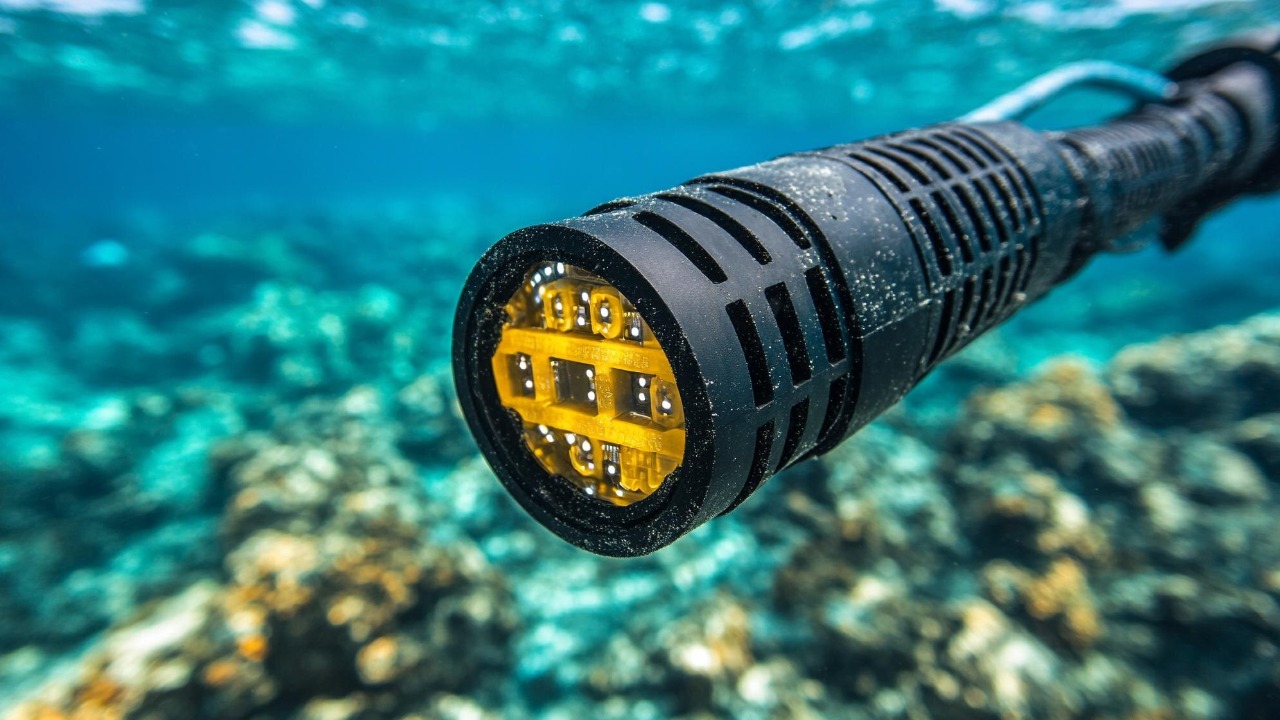
Underwater cables are the unsung heroes of the digital age, forming the backbone of the global internet and supporting the burgeoning demands of artificial intelligence (AI) infrastructure. As AI applications become increasingly data-intensive, the need for robust and expansive undersea networks has never been more critical. Major tech companies like Meta, Google, and Amazon are fiercely competing for dominance in this domain, driving a surge in investment to enhance these vital conduits.
The Essential Role of Underwater Cables in Modern Connectivity
Underwater cables are the primary conduits for global internet traffic, carrying over 99% of international data flows. This vast network of cables enables seamless data transmission across continents, which is essential for the functioning of AI systems that require real-time processing and massive data center interconnections. These cables are not just relics of the past but are integral to the future of AI, as they support the infrastructure needed to power machine learning models and other advanced technologies.
Despite their critical role, underwater cables face vulnerabilities that necessitate ongoing investment. Natural disasters, such as earthquakes and tsunamis, can damage these cables, leading to significant disruptions in global connectivity. Therefore, ensuring the durability and reliability of these cables is crucial for maintaining uninterrupted service. This need for resilience underscores the importance of continued investment in undersea infrastructure to safeguard against potential disruptions and to support the ever-growing demands of AI and internet connectivity.
Surging Investments Fueling the Underwater Cable Expansion
The investment in underwater cables is booming, driven by the escalating demands of AI infrastructure. Reports confirm that this surge in investment is a direct response to the need for enhanced connectivity to support AI applications. The scale of investment is substantial, with funds being directed towards new cable installations and upgrades to existing networks. This influx of capital is essential to meet the growing demands of AI, which require high-speed, reliable data transmission across vast distances.
Economic drivers also play a significant role in this investment boom. The cost efficiencies gained from bundling AI and internet traffic justify the significant capital being poured into subsea infrastructure. As AI technologies continue to evolve and expand, the need for robust and efficient data transmission networks becomes even more critical. This trend highlights the strategic importance of underwater cables in supporting the next generation of technological advancements.
Big Tech’s Strategic Competition for Undersea Dominance
In the race for undersea supremacy, major tech companies are making strategic investments in underwater cables to secure their positions in the digital landscape. Meta is actively investing in cable networks to establish direct routes for its social media and AI data, ensuring efficient and reliable connectivity. This strategic move is part of Meta’s broader effort to enhance its global data transmission capabilities.
Similarly, Google has adopted an aggressive cable ownership strategy, acquiring key transatlantic and transpacific lines to bolster its search and AI services. By owning these critical infrastructure components, Google can ensure optimal performance and reliability for its services, further solidifying its position as a leader in the tech industry.
Amazon, through its AWS division, is also making significant strides in the undersea network arena. By controlling bandwidth for its cloud-based AI services, Amazon aims to enhance its competitive edge in the cloud computing market. This strategic push into undersea networks is part of a broader rivalry among tech giants to dominate the digital infrastructure landscape.
Implications of the AI-Driven Cable Boom
The surge in investment in underwater cables positions them as a vital component of the AI buildout, linking enhanced capacity to faster AI innovation cycles. This investment boom is not just about expanding infrastructure but also about enabling new possibilities for AI development and deployment. As reported by CNBC, the enhanced capacity provided by these cables is crucial for supporting the rapid growth of AI technologies.
Geopolitical considerations also play a role in the expansion of undersea networks. Diversifying cable routes can reduce reliance on single nations, promoting global AI equity and ensuring more balanced access to digital resources. This diversification is essential for maintaining a stable and resilient global internet infrastructure, capable of supporting the diverse needs of AI applications worldwide.
Looking forward, sustainability challenges must be addressed to align underwater cable technology with AI’s environmental footprint. Developing energy-efficient cable technologies is crucial to minimizing the environmental impact of expanding digital infrastructure. As the demand for AI and internet connectivity continues to grow, finding sustainable solutions will be key to ensuring the long-term viability of underwater cable networks.
More From TheDailyOverview
- Dave Ramsey says these two simple questions show whether you’re rich or poor
- Retired But Want To Work? Try These 18 Jobs for Seniors That Pay Weekly
- IRS raises capital gains thresholds for 2026 and what’s new
- 12 ways to make $5,000 fast that actually work

Grant Mercer covers market dynamics, business trends, and the economic forces driving growth across industries. His analysis connects macro movements with real-world implications for investors, entrepreneurs, and professionals. Through his work at The Daily Overview, Grant helps readers understand how markets function and where opportunities may emerge.