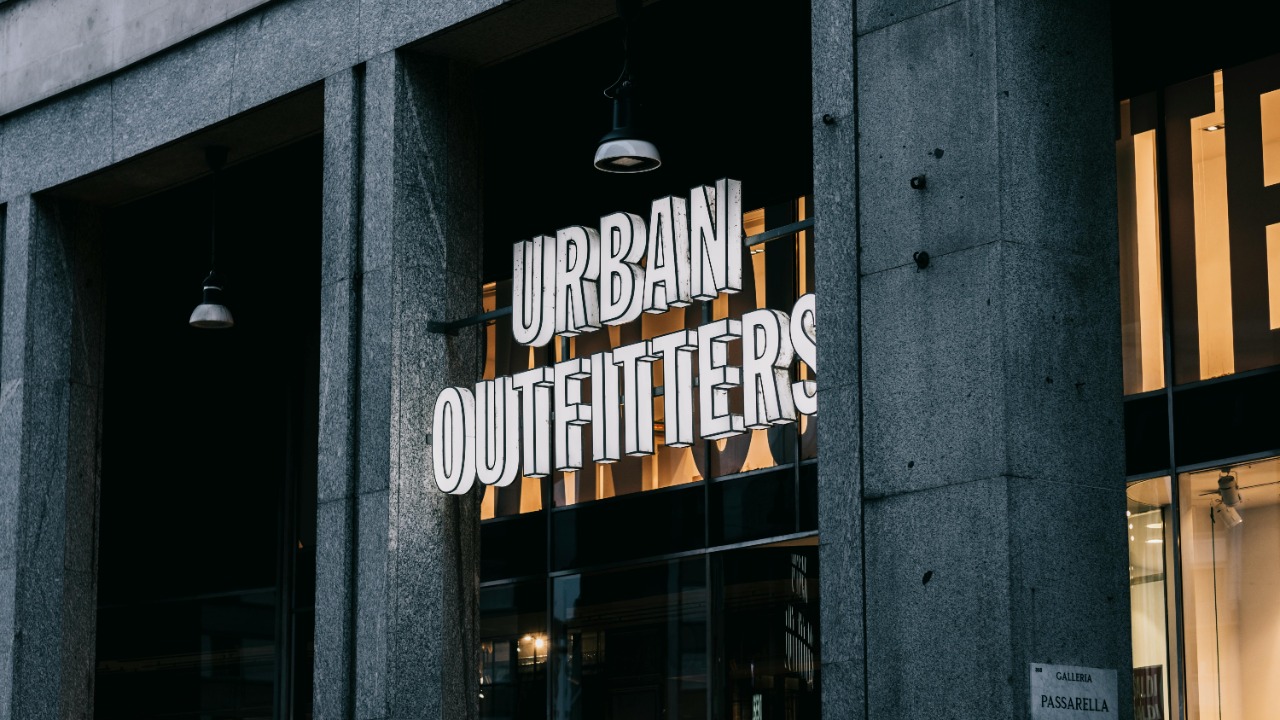
Urban Outfitters is learning that shoppers will tolerate higher prices, but only on their own schedule. Customers are stretching out the time between purchases and waiting for promotions, yet the retailer has not seen the kind of broad price revolt that might force a full reset of its strategy.
That tension, between delayed buying and surprisingly resilient pricing power, is shaping how the company thinks about everything from fashion bets to inventory planning. I see a retailer trying to protect margins while acknowledging that its core customer is more selective, more patient and more willing to walk away from anything that does not feel like a justified splurge.
Shoppers are pausing, not abandoning, discretionary fashion
Urban Outfitters’ recent results suggest that its young, style-driven customer has not disappeared, but is taking longer to commit to big-ticket fashion. Management has described a consumer who is still engaged with newness, yet more likely to wait for a sale or a clearer reason to buy before checking out. That pattern fits a broader retail backdrop in which apparel and home shoppers are trading spontaneity for deliberation, stretching out replacement cycles and prioritizing standout pieces over impulse hauls, a shift that shows up in slower traffic and more uneven demand across categories, according to company commentary and sector peers.
I read that behavior less as a collapse in demand and more as a recalibration of what feels “worth it” in an inflation-adjusted world. Urban Outfitters has pointed to softer trends in some discretionary lines, including more fashion-forward apparel and certain home items, even as beauty, accessories and core basics hold up better, a mix that mirrors what other specialty chains have reported in recent quarters in their earnings materials. The result is a customer who still wants the Urban aesthetic, but is willing to wait weeks for a promotion or a paycheck before committing, which lengthens selling cycles and makes it harder to read demand in real time.
Price increases stick, helped by brand strength and mix
Despite that more cautious mindset, Urban Outfitters has managed to hold on to much of its recent pricing, with limited evidence of outright pushback. The company has highlighted stable or improved merchandise margins at banners like Anthropologie and Free People, crediting both disciplined markdowns and a product mix that leans into higher perceived value, according to its latest quarterly update. In practice, that means more premium dresses, occasion wear and distinctive home pieces that can command higher tickets without triggering mass defections to cheaper rivals.
Where I see the trade-off is in volume rather than price. Urban Outfitters has acknowledged that some customers are buying fewer items per trip, even as average unit retail remains elevated, a pattern consistent with the modest traffic and basket trends described in its investor presentations. That suggests shoppers are accepting higher prices on select pieces that feel special or versatile, while cutting back on filler items that used to pad out a cart. The absence of a broad price backlash gives Urban Outfitters room to protect profitability, but it also raises the stakes for getting each fashion bet right, since there is less appetite for trial-and-error purchases at full price.
Promotions, inventory discipline and the risk of misreading patience
To navigate this slower, choosier demand, Urban Outfitters is leaning on tighter inventory control and more targeted promotions rather than blanket discounting. Executives have emphasized lower on-hand units and faster reaction times, arguing that a leaner inventory position reduces the need for deep markdowns and supports full-price sell-through, a strategy laid out in recent conference call remarks. When the company does promote, it is more likely to focus on specific categories or short windows, training shoppers to wait for targeted deals rather than expecting a constant sale environment.
The risk, as I see it, is that patience can be misread as loyalty. If Urban Outfitters assumes that customers will always come back once a promotion hits, it may underestimate how quickly a frustrated shopper can pivot to competitors that offer similar aesthetics at lower everyday prices, a dynamic visible in the share gains reported by value-focused chains in the same consumer spending snapshots. For now, the company’s ability to keep prices elevated without a broad revolt suggests its brands still carry real weight. The challenge over the next few seasons will be to keep that trust intact while acknowledging that a shopper who is willing to wait is also one who is willing to walk away.
More From TheDailyOverview
- Dave Ramsey warns to stop 401(k) contributions
- 11 night jobs you can do from home (not exciting but steady)
- Small U.S. cities ready to boom next
- 19 things boomers should never sell no matter what

Silas Redman writes about the structure of modern banking, financial regulations, and the rules that govern money movement. His work examines how institutions, policies, and compliance frameworks affect individuals and businesses alike. At The Daily Overview, Silas aims to help readers better understand the systems operating behind everyday financial decisions.

