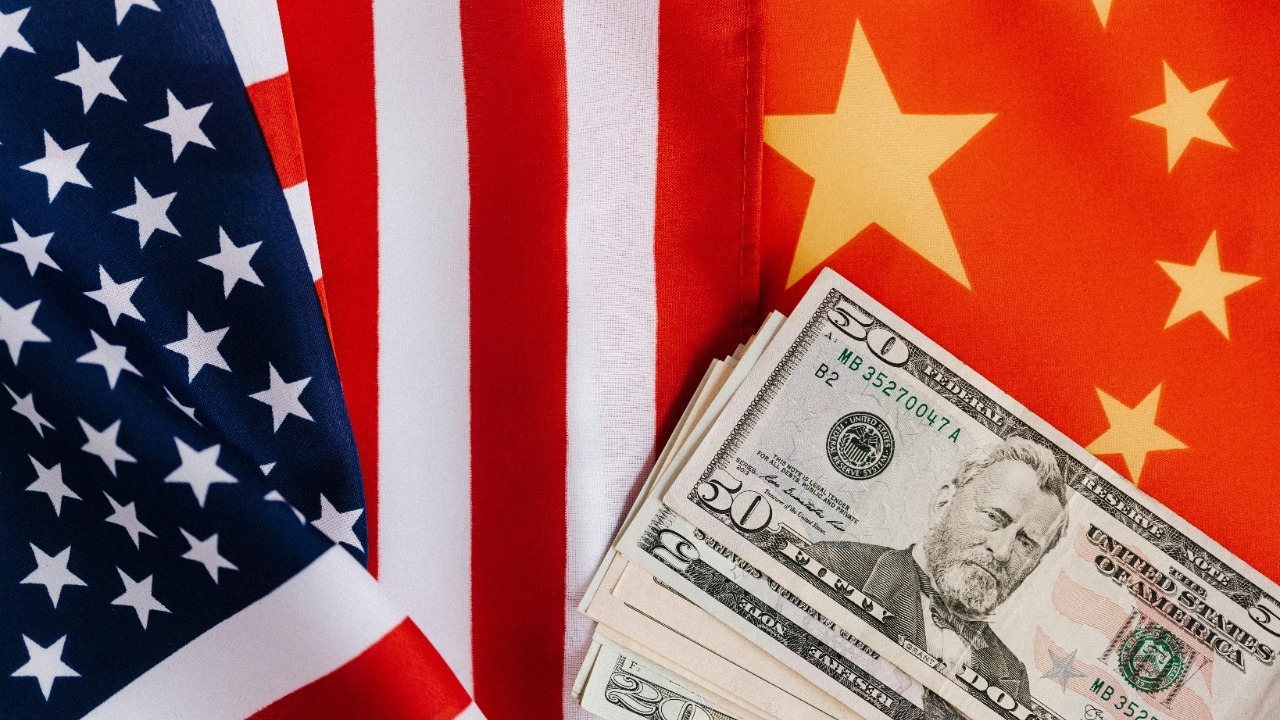
Top Chinese and U.S. economic officials have crafted a framework for a trade deal that could pause the escalation of tariffs and rare earth export controls. This framework, which also includes provisions for soybeans, is set for review by U.S. President Donald Trump and Chinese President Xi Jinping later this week. USTR Greer confirmed that the talks are progressing toward an agreement for the leaders’ consideration, marking a potential de-escalation in ongoing trade tensions.
Framework of the Trade Deal
The framework for the trade deal was hashed out by top Chinese and U.S. economic officials on Sunday. This agreement aims to pause the implementation of 100 percent tariffs, a significant step back from the brink of further economic conflict. The negotiations, as reported, have been a critical move towards stabilizing the economic relationship between the two nations. The inclusion of rare earth export controls in this framework is particularly noteworthy, as both countries have reached an agreement to pause these controls, which had been a point of contention. This shift from escalation to a temporary halt is a strategic move to ease tensions and foster a more cooperative economic environment.
Additionally, the framework encompasses agricultural elements, specifically soybeans, which have been a significant point of negotiation. The U.S. and China have agreed on this aspect, providing a concrete example of broader agricultural concessions. This inclusion is expected to benefit U.S. farmers by potentially increasing soybean exports to China, thereby altering market dynamics that had been negatively impacted by previous tariff measures.
Key Negotiations and Stakeholder Roles
USTR Greer has played a pivotal role in these negotiations, stating that trade talks with China are moving toward an agreement for leaders’ review. Her involvement has been crucial in sketching out the details of the rare earths and tariff pause, which are central to the current framework. The decision-making process now rests with President Trump and President Xi, who will consider the full framework later this week. This step is a significant departure from previous stalemates, indicating a willingness from both sides to find common ground.
The pause on Chinese rare earth export controls is a direct response to U.S. pressures, reflecting the strategic importance of these materials to major stakeholders, including the tech and manufacturing sectors. By agreeing to this pause, both nations are addressing critical supply chain concerns that have been exacerbated by the threat of full restrictions. This development is expected to stabilize supply chains and provide relief to industries heavily reliant on these materials.
Next Steps and Potential Impacts
The timeline for final approval of this framework is set for later this week, when President Trump and President Xi will review the agreement. This rapid progression from initial talks to potential implementation highlights the urgency and importance of resolving these trade tensions. For U.S. businesses reliant on rare earths, the pause in export controls could stabilize supply chains, offering a reprieve from the uncertainty that has loomed over these industries.
In the agricultural sector, the inclusion of soybeans in the trade framework is poised to boost U.S. exports to China. This development could significantly alter market dynamics, reversing some of the declines caused by earlier tariff-induced disruptions. The potential increase in soybean exports represents a tangible benefit for U.S. farmers, who have been adversely affected by the ongoing trade tensions.
Overall, the framework represents a critical step toward de-escalating trade tensions between the U.S. and China. By addressing key issues such as tariffs, rare earths, and agricultural exports, the agreement lays the groundwork for a more stable and cooperative economic relationship between the two nations.
More From TheDailyOverview
- Dave Ramsey warns to stop 401(k) contributions
- 11 night jobs you can do from home (not exciting but steady)
- Small U.S. cities ready to boom next
- 19 things boomers should never sell no matter what

Grant Mercer covers market dynamics, business trends, and the economic forces driving growth across industries. His analysis connects macro movements with real-world implications for investors, entrepreneurs, and professionals. Through his work at The Daily Overview, Grant helps readers understand how markets function and where opportunities may emerge.

