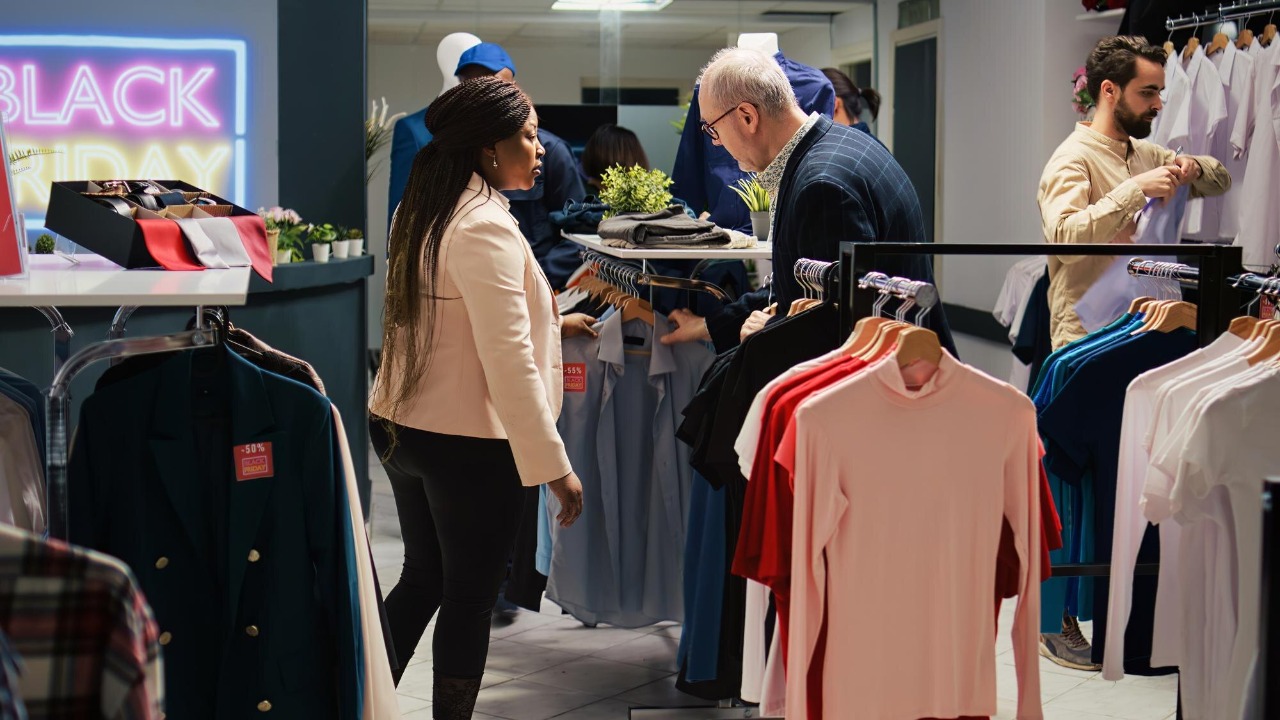
US consumers are heading into the peak shopping season with noticeably weaker confidence, a shift that raises fresh questions about how resilient household spending will be as the year closes. After months of mixed signals from the job market, inflation data, and credit conditions, sentiment has turned sharply lower, suggesting that many families are feeling less secure about both their current finances and the economic outlook.
I see that drop in confidence as more than a passing mood swing. It reflects a growing tension between solid headline numbers, such as low unemployment, and the day-to-day reality of higher prices, rising borrowing costs, and thinning savings that are now shaping how people plan for the holidays and beyond.
Confidence gauges flash a warning ahead of peak spending
The clearest sign of this shift is the latest reading from major sentiment surveys, which show a pronounced decline in how Americans rate both present conditions and future expectations. The Conference Board’s consumer confidence index, which had been relatively stable earlier in the year, has fallen as more respondents report worries about job prospects, business conditions, and their own income trajectory. That deterioration in expectations is particularly important because it tends to lead changes in actual spending, and it now points to a more cautious consumer heading into the final weeks of the year, as reflected in recent survey data.
Other measures tell a similar story, reinforcing the idea that this is a broad-based softening rather than a statistical blip. The University of Michigan’s sentiment index has also shown renewed weakness, with respondents citing persistent price pressures and concerns about real income growth. When I look across these indicators, the pattern is consistent: households are less upbeat than they were earlier in the year, and the share of people expecting their finances to improve has slipped. That aligns with recent sentiment readings that highlight a clear pullback in optimism even as headline economic growth remains positive.
Inflation fatigue and higher rates are squeezing holiday budgets
Behind the softer confidence numbers is a simple reality that many shoppers feel every time they open a grocery app or walk into a store: prices are still high, even if inflation has cooled from its peak. Food, rent, and services costs have risen enough over the past few years that, for many households, paychecks do not stretch as far as they used to. Recent inflation reports show that while the pace of price increases has moderated, core services and shelter remain sticky, leaving consumers with the sense that the cost of living reset higher and never really came back down, a dynamic underscored in recent inflation expectations surveys.
At the same time, higher borrowing costs are making it more expensive to finance holiday purchases or big-ticket items. Credit card interest rates have climbed alongside the Federal Reserve’s tightening cycle, and auto loans and personal loans have followed suit. For families that leaned on credit to get through earlier price spikes, that means a growing share of income is now going toward servicing debt rather than new spending. Recent data on rising credit card balances and delinquency rates, highlighted in household debt reports, reinforces the idea that consumers are hitting a financial wall just as retailers are counting on a year-end surge.
Labor market resilience is no longer enough to offset anxiety
For much of the past two years, a strong labor market helped offset the drag from higher prices, giving consumers confidence that they could find or keep a job even as their budgets tightened. That cushion now looks thinner. Payroll growth has slowed from its earlier pace, job openings have come down, and some sectors, including technology and finance, have seen more frequent layoff announcements. While the unemployment rate remains relatively low by historical standards, the perception of job security has weakened, which is a key driver of how freely people spend. Recent labor market data show a clear cooling trend that helps explain why confidence has slipped even without a spike in joblessness.
Wage growth has also lost some momentum, which matters because it shapes whether households feel they are keeping up with inflation. Earlier in the recovery, pay increases outpaced price gains for many workers, especially in lower-wage service jobs, creating a sense of progress despite higher costs. Now, as wage growth moderates and inflation remains elevated in key categories, more people report that their real incomes are stagnating or falling. That shift is visible in recent earnings and claims figures, which show fewer layoffs but also less robust pay gains, a combination that tends to dampen enthusiasm rather than spark new spending.
Spending patterns show a tilt toward essentials and discounts
The change in mood is already showing up in how and where people spend, particularly as retailers roll out holiday promotions. I see a clear tilt toward essentials and value-focused shopping, with consumers prioritizing groceries, household staples, and lower-priced gifts while cutting back on discretionary categories like high-end electronics or luxury apparel. Retail sales data indicate that spending growth has slowed in areas such as furniture and home goods, while discount chains and warehouse clubs are capturing a larger share of traffic. Recent retail reports highlight modest overall gains that mask a deeper shift toward budget-conscious choices.
Online behavior tells a similar story, with shoppers leaning heavily on promotions, coupon codes, and buy-now-pay-later options to stretch their budgets. E-commerce platforms have reported strong interest in early-season deals, but average order values are under pressure as customers trade down to cheaper brands or smaller sizes. That pattern is consistent with recent e-commerce and holiday outlooks, which point to slower growth in big-ticket categories and a greater emphasis on affordability. The result is a holiday season that may look busy on the surface, with plenty of browsing and deal-hunting, but delivers less revenue growth than retailers had hoped.
What weaker confidence means for the broader economy
A sharp drop in consumer confidence heading into the holidays matters because household spending is the backbone of US economic growth. When people feel less secure, they are more likely to delay major purchases, build up precautionary savings, or pay down debt, all of which can slow the overall pace of activity. Economists watch the expectations component of confidence surveys closely for that reason, and the latest readings suggest a higher risk that consumption will cool in the months ahead. Recent GDP figures show that consumer spending has been a key driver of recent growth, so any sustained pullback would have ripple effects across sectors from manufacturing to services.
For policymakers, the combination of softer sentiment, sticky inflation, and a cooling labor market presents a delicate balancing act. The Federal Reserve has signaled that it is watching consumer data closely as it weighs the timing and pace of any future rate cuts, aware that tightening financial conditions too far could tip cautious households into outright retrenchment. At the same time, officials are wary of easing too quickly if inflation expectations remain elevated. Recent policy commentary underscores that tension, highlighting the risk that a fragile consumer could turn a controlled slowdown into something more abrupt if confidence continues to erode.
More From TheDailyOverview
- Tennessee loses $2.6B megafactory and faces major layoffs
- Retired But Want To Work? Try These 18 Jobs for Seniors That Pay Weekly
- What to do with your pennies after the U.S. stops minting them
- Home Depot CEO warns of a troubling customer trend in stores

Grant Mercer covers market dynamics, business trends, and the economic forces driving growth across industries. His analysis connects macro movements with real-world implications for investors, entrepreneurs, and professionals. Through his work at The Daily Overview, Grant helps readers understand how markets function and where opportunities may emerge.

