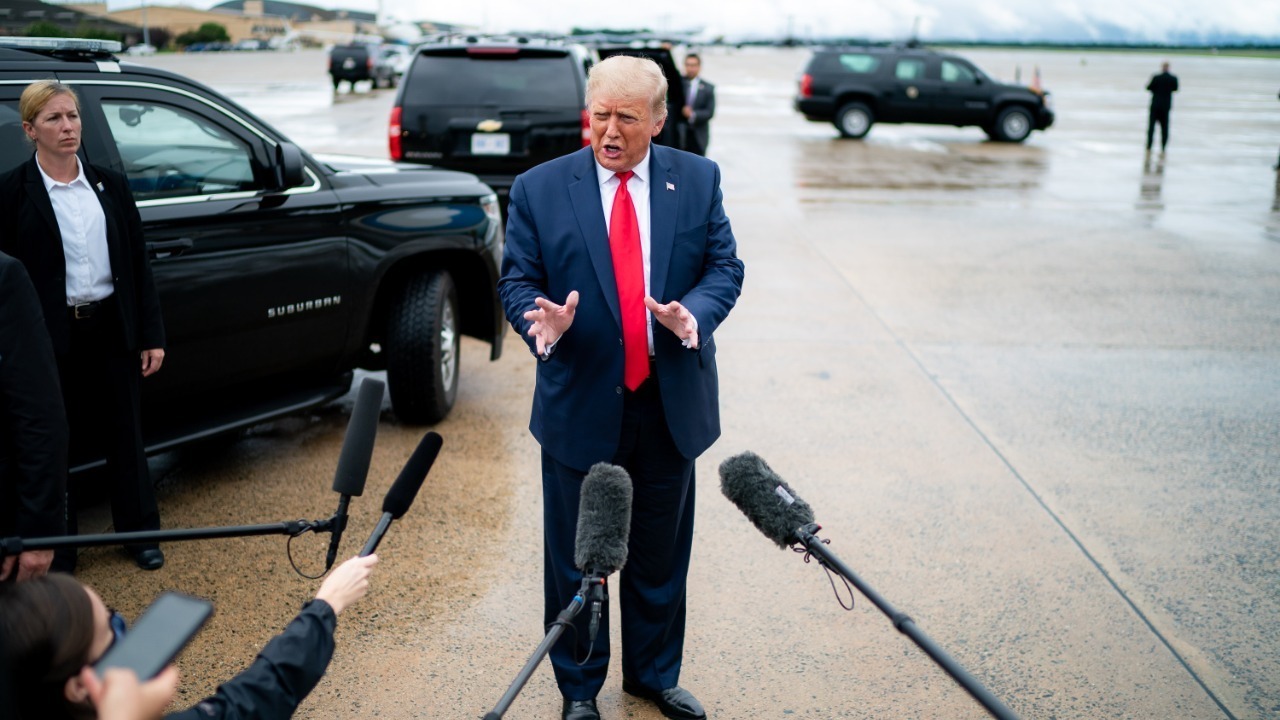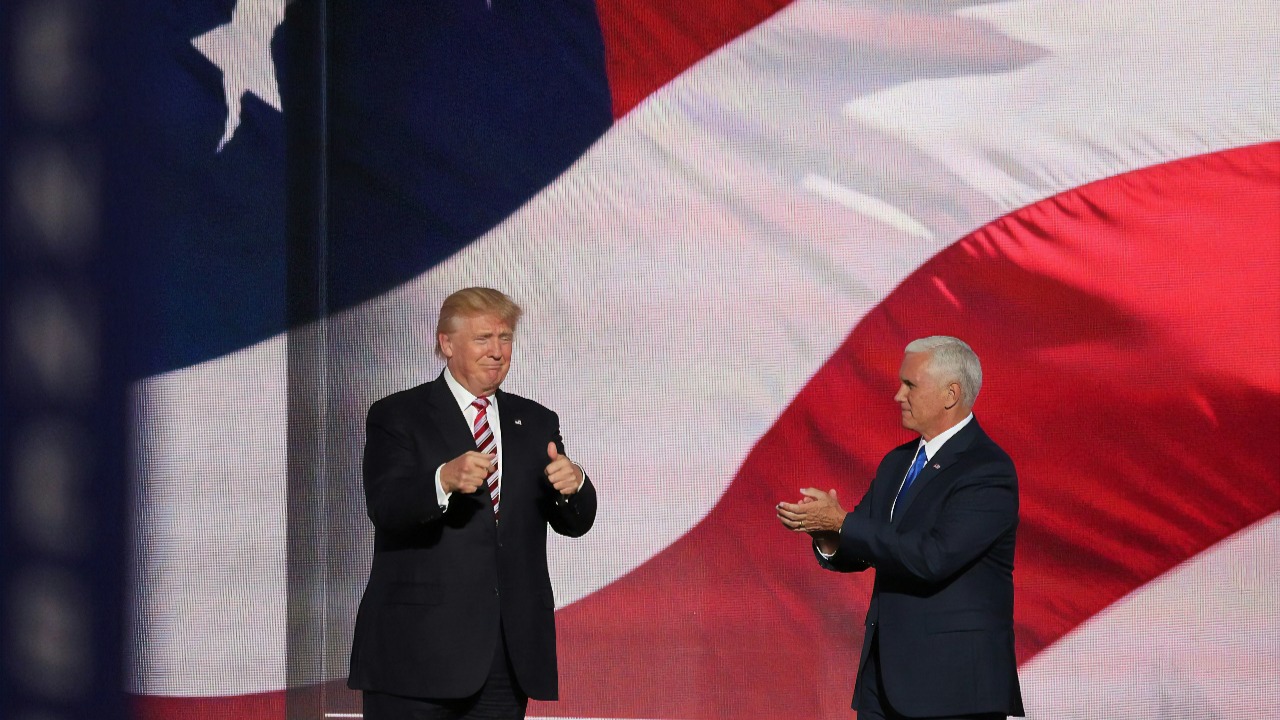
The US economy is experiencing its fastest growth in nearly two years, a development the White House has described as “explosive growth.” This surge is largely attributed to a significant increase in consumer spending. As the economy rebounds, discussions continue about the extent to which President Trump’s policies have contributed to this momentum. While economic indicators suggest a robust recovery, questions remain about whether these gains represent a true victory for the administration.
White House Assessment of Economic Surge
The White House has characterized the current economic growth as “explosive,” attributing it to a resurgence in consumer confidence and spending. Officials have pointed to policy measures implemented under President Trump, such as tax reforms and deregulation efforts, as key drivers of this rapid expansion. These policies are credited with creating a favorable environment for businesses and consumers, leading to increased economic activity. The administration has linked this momentum to broader recovery efforts following the pandemic, emphasizing the role of strategic policy decisions in fostering economic resilience.
White House officials argue that the pace of growth, the fastest in nearly two years, is a direct result of these policy initiatives. They highlight the impact of tax cuts and regulatory rollbacks in stimulating investment and consumer spending. The administration’s narrative suggests that these measures have laid the groundwork for sustained economic growth, positioning the US economy for continued expansion. However, this optimistic assessment is not without its critics, who question the long-term sustainability of such growth and the potential risks associated with these policies.
Key Drivers Behind the Growth Pace
Consumer spending has emerged as the primary engine driving the current economic expansion. Retail sales and service sector activity have shown marked increases, reflecting a renewed willingness among consumers to spend. This surge in spending has contributed significantly to the overall growth of the economy, with GDP figures indicating the fastest expansion in nearly two years. The quarterly growth rates have outpaced previous periods, underscoring the strength of the current recovery.
In addition to consumer spending, sectors such as manufacturing and housing have also played a crucial role in the economic resurgence. Investment in these areas has accelerated, contributing to the broader growth narrative. The manufacturing sector, in particular, has benefited from increased demand and investment, while the housing market has seen a boost from favorable interest rates and strong consumer confidence. These factors have combined to create a robust economic environment, driving growth across multiple sectors.
Trump’s Policy Influence on Recovery
Supporters of President Trump credit specific initiatives, such as infrastructure spending and trade deals, with bolstering the economy’s current trajectory. These policies are seen as instrumental in creating jobs and stimulating economic activity, contributing to the overall growth narrative. The administration’s focus on infrastructure investment is viewed as a key driver of economic expansion, with projects aimed at improving the nation’s transportation and energy systems.
However, some economists have raised concerns about the sustainability of this growth, citing potential inflationary pressures tied to the administration’s fiscal strategies. Critics argue that while the current growth is impressive, it may not be sustainable in the long term without addressing underlying structural issues. Additionally, polling and public perception data suggest that while the economic gains are significant, they have not necessarily translated into increased approval ratings for President Trump. The public remains divided on whether these economic wins are directly attributable to the administration’s policies.
Challenges and Future Outlook
Despite the strong start, several challenges could temper the “explosive growth” narrative. Supply chain disruptions, for instance, pose a significant risk to sustained economic expansion. These disruptions have the potential to impact production and distribution, affecting the availability of goods and services. Addressing these challenges will be crucial to maintaining the current growth trajectory and ensuring long-term economic stability.
The outlook for employment and wages is another critical factor in assessing the future of the US economy. Building on the spending rebound, there is potential for significant job creation under President Trump’s administration. However, the extent to which this translates into long-term employment gains remains to be seen. Additionally, global factors, such as international trade dynamics, will continue to influence the US economy’s growth pace. Navigating these complexities will be essential for sustaining the near-two-year high in economic expansion.
For more detailed insights, you can read the full report on MSN.
More From TheDailyOverview
- Dave Ramsey says these two simple questions show whether you’re rich or poor
- Retired But Want To Work? Try These 18 Jobs for Seniors That Pay Weekly
- IRS raises capital gains thresholds for 2026 and what’s new
- 12 ways to make $5,000 fast that actually work

Grant Mercer covers market dynamics, business trends, and the economic forces driving growth across industries. His analysis connects macro movements with real-world implications for investors, entrepreneurs, and professionals. Through his work at The Daily Overview, Grant helps readers understand how markets function and where opportunities may emerge.