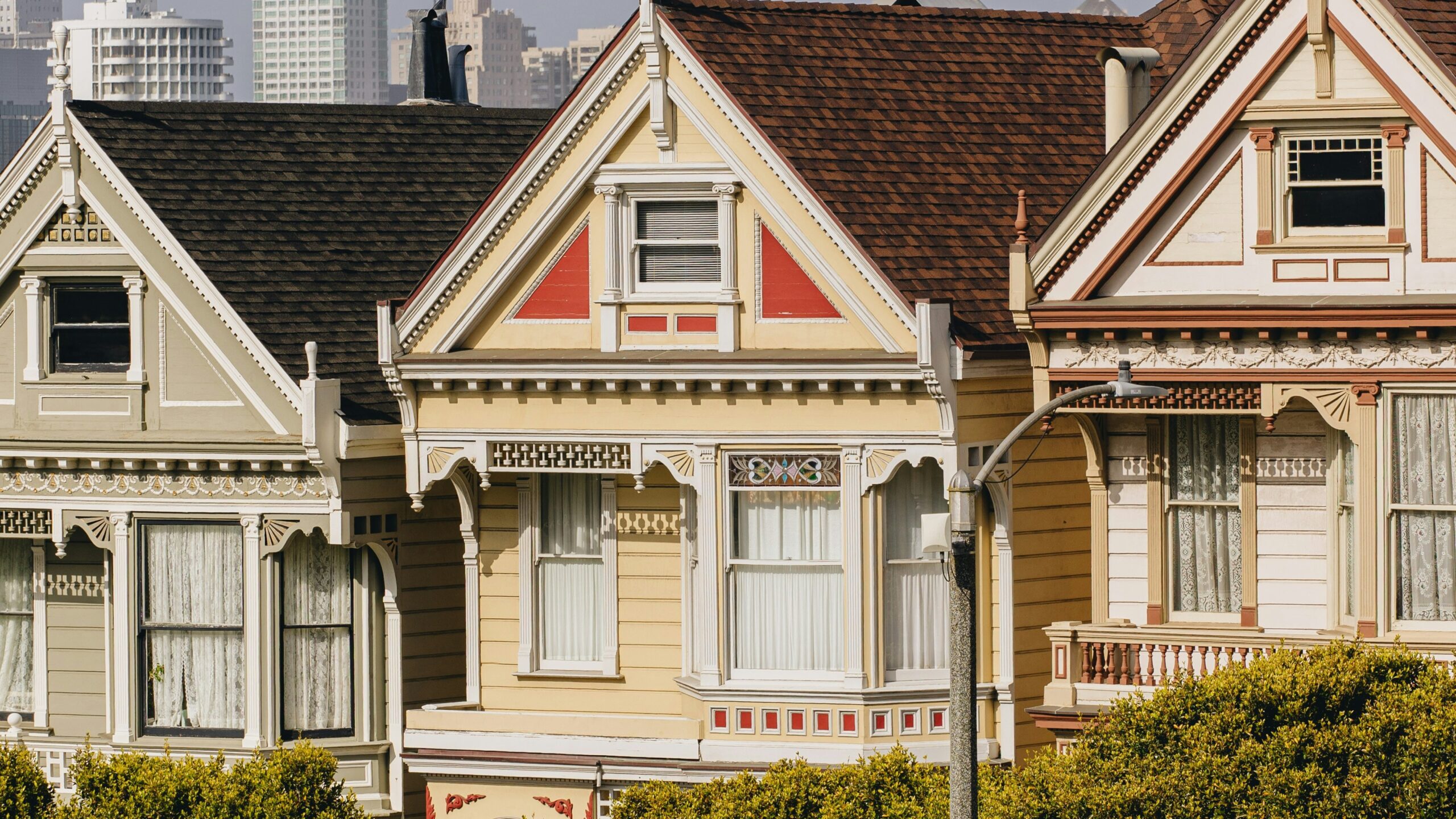
U.S. home prices have finally dipped into the red after two years of relentless gains, reviving memories of the last time the market cracked in spectacular fashion. The shift has stirred fresh talk of a 2008-style collapse, but the data and expert forecasts point to a very different kind of downturn. I see a market that is cooling, rebalancing and, in some places, correcting, but not one that is flashing the same systemic alarms that preceded the Great Recession.
Prices can fall without the entire financial system following them down, and that is the key distinction in the current cycle. The early signs of weakness are real, and they matter for homeowners, buyers and investors, yet the underlying credit picture and policy backdrop look far sturdier than they did in the mid-2000s. The question now is not whether the boom is over, but whether the reset ahead will stay orderly.
What “negative” home prices really mean
The latest national figures show that Home prices are down 1.4% from a year earlier, the first annual decline in more than two years. That reversal follows a period when limited inventory and pandemic-era demand pushed values far beyond what local incomes could comfortably support. As affordability hit a wall, buyers pulled back, and the market finally lost the pricing power that had seemed unshakeable.
Researchers tracking real-time transactions in America point to several overlapping forces behind the shift, including higher mortgage rates, stretched buyers and a modest increase in listings. The move into negative territory is psychologically important, because it breaks the assumption that prices only go one way, but in economic terms it is closer to a pressure valve releasing than a structural break. A 1.4% drop is a far cry from the double-digit plunges that defined the last crash.
Why this cycle is not 2008
To understand whether a 2008-style collapse is likely, I start with the plumbing of the financial system. During the last crisis, exotic mortgages, lax underwriting and securitization excesses left households and banks dangerously exposed. Today, regulators and lenders have spent more than a decade tightening standards, and a detailed review notes that, Historically, the current situation shares only superficial similarities with 2008 because mortgage underwriting standards and homeowner equity are much healthier.
That equity cushion is already visible in performance data. A recent “First Look” at mortgage performance shows that Early-stage delinquencies have improved, with the national delinquency rate falling to 3.68% in December, down 16 basis points from the prior month and 9% from a year earlier. Separate research on Consumer credit finds that mortgage delinquencies remain historically low, even as some other forms of debt, such as auto loans, show more strain. That is not the profile of a market on the verge of mass foreclosures.
The “Great Housing Reset,” not a free fall
Most professional forecasters are not calling for a crash, but for what one major brokerage has dubbed Great Housing Reset. In that view, 2026 will bring the first real relief for U.S. homebuyers since the Great Recession era, as slightly lower borrowing costs and more inventory gradually restore balance. The same outlook expects demand to thaw from the deep freeze of the past two years, but not to the point of reigniting the kind of bidding wars that drove prices to unsustainable heights.
Other analysts describe a similar pattern, with Home price growth expected to stay mostly flat in 2026, marking a second year of near-zero appreciation as wage growth rises at a faster rate. A broad Real Estate Outlook that surveys What Leading Housing Economists Are Watching frames this as a welcome development for affordability, not a calamity. In that scenario, the market cools enough to let incomes catch up, which is painful for some sellers but far less destructive than a cascade of forced sales.
Competing forecasts: modest gains versus crash calls
Even within this reset narrative, there is a wide spread of views on where prices go next. One prominent forecast for 2026 projects that Home Sales To in Low Gear as Balance Holds, with national prices still climbing, but not at the breakneck pace of the pandemic years. The same research expects an 8.9% increase in existing-home transactions as borrowing costs ease and pent-up demand returns, a view echoed in a companion forecast that Home Sales To constrained but gradually improving as buyer purchasing power recovers.
Other models are even more restrained. A major bank’s 2026 outlook expects House prices to stall at roughly 0% this year, with home sales also subdued, while a separate forecast from Zillow says Home values are likely to rise 1.2% in 2026, with more major markets seeing modest gains rather than declines. Mortgage executive Shant Banosian has highlighted in a Post Every major housing analyst is aligned on the expectation that prices will rise in 2026, with all the major national forecasts pointing to moderate appreciation, not a decline. That consensus stands in sharp contrast to more sensational warnings that the market is poised to crash worse than 2008, with one high-profile critic predicting a 50% plunge and urging households to Protect their Money.
Local cracks, leverage shifts and the risk that remains
Even if a national meltdown looks unlikely, I do not dismiss the risk of sharp local corrections. A detailed 2026 outlook notes that, Dec data show Overall home prices have mostly leveled off over the past two years as new construction has picked up, but in some markets builders have overshot demand, setting up price declines in 2026. Another industry survey finds that Forecasters see 2026 as a patchwork of prices and conditions, with buyers gaining leverage in some metros while others remain tight, and Economists emphasizing that homeowners still held near-record equity as of mid-2025. That mix means some investors who bought late in the cycle with high leverage could face real losses even if the national averages look tame.
There is also a live debate over how far prices must adjust to reflect higher borrowing costs. Veteran market bear Schiff, who correctly warned about the 2008 housing crisis, argues that prices will “eventually” fall enough to match today’s higher rates, a painful process that could be delayed but not avoided as long as mortgage costs stay elevated. At the same time, voices like Home Depot co-founder Ken Langone have suggested that inflation is no longer the main threat and that lower rates could be on the horizon, with one widely shared clip noting that Next year may mark a turning point for housing After several years in a deep freeze. If borrowing costs ease meaningfully, the adjustment Schiff anticipates could be milder and more drawn out than his critics fear.
More From TheDailyOverview
This article was researched with the help of AI, with editors refining and creating the final content.

Elias Broderick specializes in residential and commercial real estate, with a focus on market cycles, property fundamentals, and investment strategy. His writing translates complex housing and development trends into clear insights for both new and experienced investors. At The Daily Overview, Elias explores how real estate fits into long-term wealth planning.

