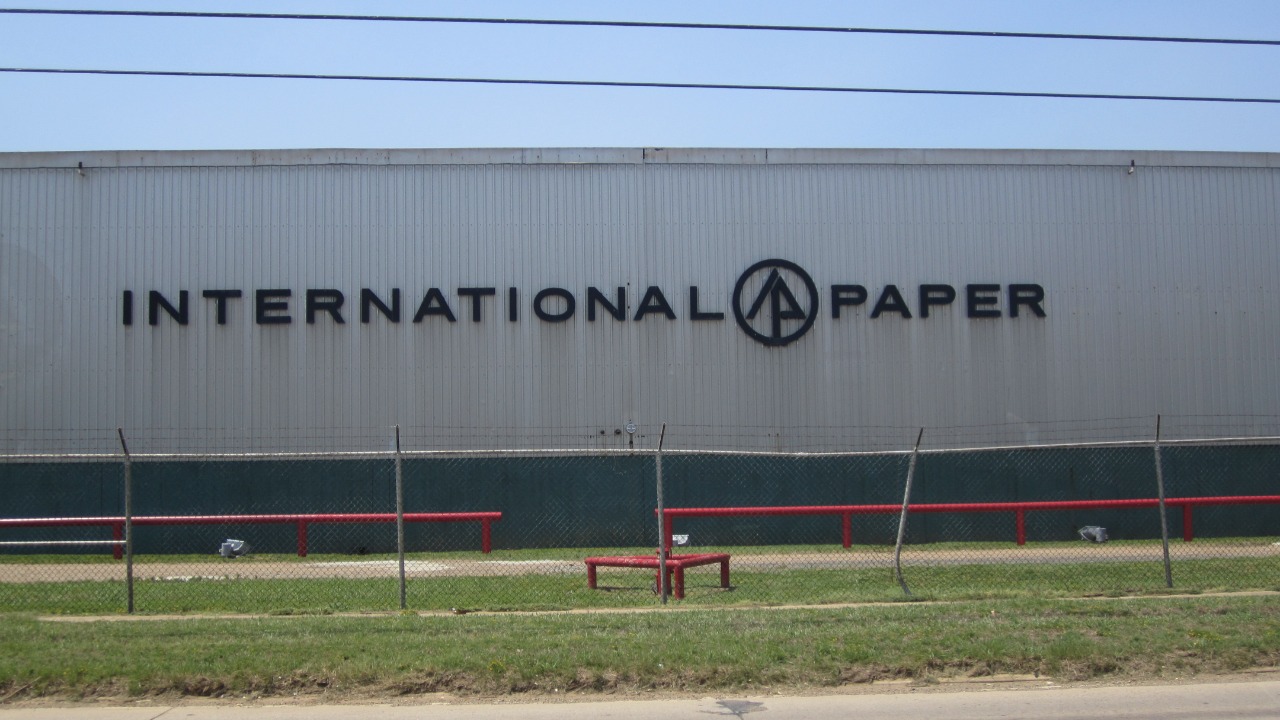
International Paper is shutting two U.S. packaging plants, cutting more than two hundred jobs and tightening its manufacturing footprint as demand for boxes and shipping materials cools. The closures in California and Kentucky pull a major employer out of two long-established industrial neighborhoods and signal how even market leaders are recalibrating for slower growth.
The company is eliminating 218 positions as it winds down operations at its facilities in Compton and Louisville, a move executives are presenting as part of a broader strategic shift rather than a one-off retrenchment. For workers and local officials, however, the immediate reality is a wave of layoffs that will test already strained regional labor markets.
What International Paper is closing, and where the cuts fall
The decision centers on two packaging plants that have long served customers on opposite sides of the country, one in the city of Compton in Southern California and another in Louisville, Kentucky. International Paper has told stakeholders that both locations are packaging facilities, not mills, which means they focus on converting paper into boxes and related products rather than producing pulp or containerboard. By targeting these two sites together, the company is effectively trimming capacity in both a major West Coast logistics hub and a central corridor that serves the Midwest and Southeast.
International Paper said on Nov 14, 2025 that it would close its Compton, California and Louisville, Kentucky packaging facilities as part of what it described as a strategic growth initiative, a plan that includes shutting the plants and supporting employees through the transition according to its own announcement, titled International Paper Announces Closures of Compton, California and Louisville, Kentucky Packaging Facilities as Part of. A separate industry report on Nov 17, 2025 reiterated that International Paper would close packaging plants in Compton, California and Louisville, Kent, underscoring that the two facilities are being treated as a linked pair in the company’s restructuring plans and that the closures are expected to affect a combined 218 jobs across the two states, according to coverage of International Paper, Compton, California, Louisville, Kent.
Why the packaging giant is pulling back capacity
From the company’s perspective, shutting two plants at once is less about abandoning markets and more about matching production to a cooler demand environment. International Paper has been candid that demand for packaging has slowed, particularly after the pandemic-era surge in e-commerce and shipping volumes, and that it needs to align its network of converting plants with current order books rather than the peak levels of a few years ago. Rationalizing capacity in this way allows the company to concentrate volume in fewer, more efficient sites while trimming fixed costs tied to underutilized facilities.
International Paper To Shut Two U.S. Packaging Plants As Demand Slows is how one corporate news report framed the move on Nov 14, 2025, noting that International Paper said it will close the two U.S. packaging plants as demand slows and that the company’s shares traded 0.96% lower on the NYSE after the announcement, according to coverage of International Paper To Shut Two, Packaging Plants As Demand Slows, International Paper. In parallel, the company has described the closures as part of a strategic growth initiative, signaling that it intends to reinvest savings from the shutdowns into higher return projects or more modern facilities rather than simply shrinking for its own sake, a framing that aligns with its statement that optimizing its footprint is a critical step in its long term plan.
How 218 job losses will hit Compton and Louisville
The 218 jobs tied to these plants represent more than just a statistic, particularly in communities where industrial work has long provided a path to middle class stability. In Compton, a city with deep manufacturing roots and a dense network of warehouses and logistics operations, the loss of a packaging facility means fewer union scale jobs and a potential ripple effect on nearby suppliers and service businesses that depend on plant traffic. Workers who have spent years or decades at the site now face the prospect of retraining or commuting farther for similar roles, at a time when many Southern California employers are also automating or consolidating operations.
Louisville, Kent faces a similar shock, though the local economy is more diversified, with health care, logistics and bourbon production all playing major roles. International Paper’s decision to close its Louisville packaging facility removes a long standing employer from the city’s industrial base and could leave some specialized machine operators and maintenance staff scrambling to find comparable work. Industry coverage has emphasized that International Paper announced the closure of its packaging plants located in Compton, California and Louisville, Kent and that the company is recognized as a leader in sustainable packaging solutions, a reminder that even sector leaders are not immune to cyclical downturns, according to reporting on International Paper announced the closure.
Inside the company’s “strategic growth initiative” narrative
International Paper is not presenting these closures as a retreat from packaging, but rather as a recalibration meant to support future growth. By labeling the move part of a strategic growth initiative, the company is signaling to investors that it intends to use the shutdowns to sharpen its portfolio, possibly by shifting volume to newer plants, investing in automation, or focusing on higher margin segments of the packaging market. That framing also helps management argue that the pain of job losses today is tied to a longer term plan to keep the company competitive as customer needs evolve.
In its own language, International Paper Announces Closures of Compton, California and Louisville, Kentucky Packaging Facilities as Part of a strategic growth initiative and has stressed that it will be supporting them through this transition, a reference to the affected employees, according to the company statement titled International Paper Announces Closures of Compton, California and Louisville, Kentucky Packaging Facilities, Part of. At the same time, external coverage has highlighted that optimizing its footprint is a critical step in the company’s strategy, suggesting that management sees more value in consolidating production than in maintaining a sprawling network of smaller, potentially less efficient plants.
What the closures signal for the broader packaging sector
For the wider packaging industry, International Paper’s move is a clear signal that the post pandemic normalization in shipping and consumer spending is still working its way through the system. When a company of this scale decides to close two U.S. packaging plants at once, it suggests that slower demand is not a blip but a trend that requires structural adjustments. Other producers of corrugated boxes and related products may follow with their own capacity cuts, particularly in regions where older facilities face high operating costs or where overlapping plants serve the same customer base.
Industry analysts have noted that International Paper announced Friday it plans to close a facility in Compton and another in Kentucky and that the company has framed optimizing its footprint as a critical step in its broader strategy, according to reporting that cited International Paper, Friday, Compton. The fact that the closures touch both the West Coast and a central logistics hub in Louisville underscores how demand shifts are national in scope, not confined to any one region, and that even as e-commerce remains strong compared with pre pandemic levels, it is no longer buoyant enough to keep every legacy packaging plant running at full tilt.
More From TheDailyOverview
- Dave Ramsey says these two simple questions show whether you’re rich or poor
- Retired But Want To Work? Try These 18 Jobs for Seniors That Pay Weekly
- IRS raises capital gains thresholds for 2026 and what’s new
- 12 ways to make $5,000 fast that actually work

Grant Mercer covers market dynamics, business trends, and the economic forces driving growth across industries. His analysis connects macro movements with real-world implications for investors, entrepreneurs, and professionals. Through his work at The Daily Overview, Grant helps readers understand how markets function and where opportunities may emerge.

