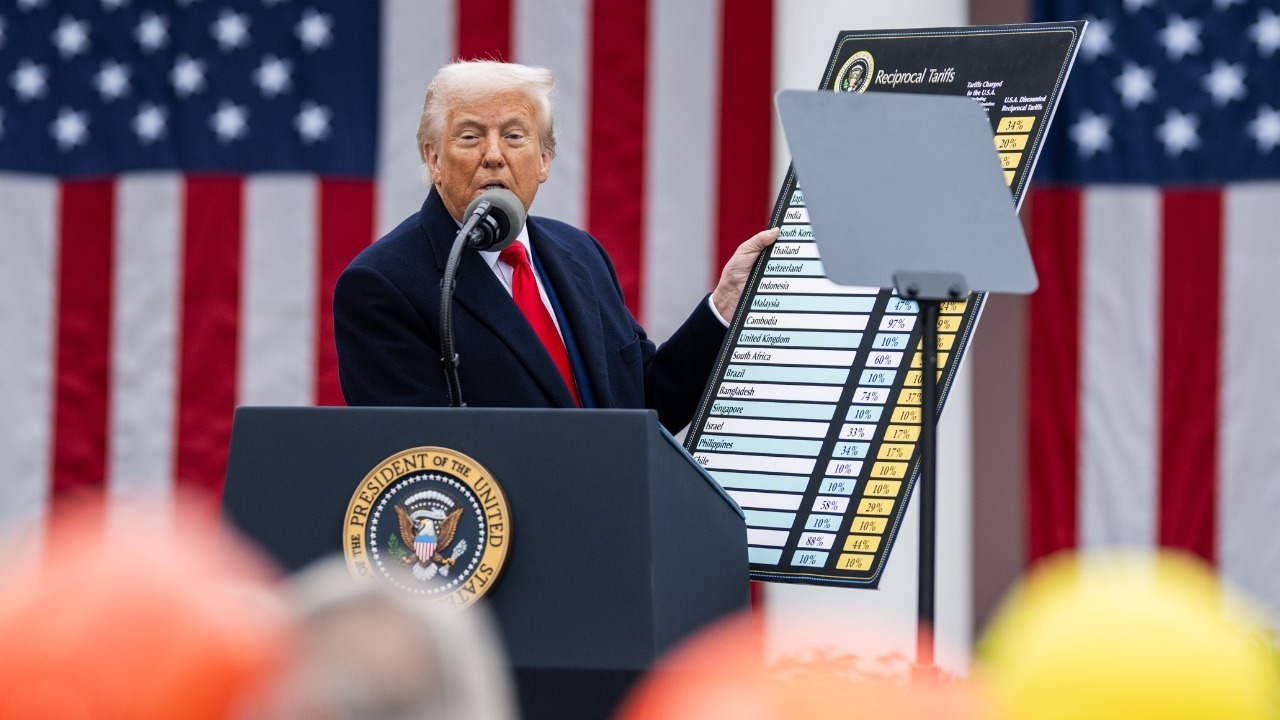
The United States has quietly rolled back tariffs on certain products that cannot be grown, mined, or naturally produced domestically, signaling a potential shift in trade policy under the current administration. This move, reported on November 6, 2025, has been interpreted by observers as President Donald Trump “lowkey” folding on his aggressive trade stance. The rollback targets specific imports essential to U.S. industries, highlighting tensions between protectionism and economic realities.
Background on U.S. Tariff Policies
During President Trump’s first term, the U.S. imposed a series of tariffs aimed at protecting American manufacturing. These tariffs primarily targeted imports from China and other nations, with significant duties such as the 25% tariffs on steel and aluminum introduced in 2018. These measures were justified under Section 232 and Section 301 of U.S. trade laws, which allow for tariffs to protect national security and address unfair trade practices, respectively.
Exemptions were made for products deemed unavailable in the U.S., allowing certain imports to bypass these tariffs. Over the years, the tariff policies saw expansions and modifications, maintaining a protective stance while occasionally adjusting to economic pressures. These pre-2025 updates set the stage for the recent quiet adjustments, reflecting a nuanced approach to trade that balances protectionism with economic necessity.
Details of the Recent Tariff Rollback
The recent rollback specifically affects products that “cannot be grown, mined, or naturally produced” in America, such as rare earth minerals and certain pharmaceuticals. This decision was announced on November 6, 2025, as a low-profile action by the Trump administration to ease transitions for businesses reliant on these imports. The timing suggests a strategic move to support industries critical to the U.S. economy.
Industries such as electronics and automotive, which heavily depend on these imports, stand to benefit significantly from reduced costs. The rollback provides immediate relief by lowering expenses for U.S. companies, potentially enhancing their competitiveness in the global market. This adjustment reflects a pragmatic approach to addressing the realities of global supply chains.
Implications for Trump’s Trade Agenda
This rollback contrasts with Trump’s campaign promises of broader tariffs, including proposed 10-20% universal duties. The decision suggests a pragmatic “folding” on unfeasible protections, acknowledging the limitations of domestic production capabilities. Stakeholders, including business groups like the U.S. Chamber of Commerce, have welcomed the change, viewing it as a necessary step to avoid supply chain disruptions.
Looking ahead, potential future adjustments under Trump could include selective reinstatements of tariffs, based on the need to balance trade deficits with domestic production limits. This nuanced approach indicates a willingness to adapt trade policies to the evolving economic landscape, ensuring that U.S. industries remain competitive while addressing trade imbalances.
Broader Economic and Global Impacts
The tariff rollback is expected to have positive effects on U.S. consumers and exporters. Lower prices for imported essentials could benefit consumers, while reduced retaliation risks from trading partners like the EU and Canada could stabilize international trade relations. This policy shift plays a crucial role in ongoing U.S.-China trade tensions, where exemptions could prevent further escalation.
By deviating from the tariff escalations seen in 2024, this rollback potentially stabilizes markets ahead of Trump’s term. It signals a move towards more balanced trade policies that consider both domestic economic needs and international trade dynamics. As the global economy continues to evolve, such adjustments are vital in maintaining the U.S.’s competitive edge.
For more details, visit the original report.
More From TheDailyOverview
- Dave Ramsey warns to stop 401(k) contributions
- 11 night jobs you can do from home (not exciting but steady)
- Small U.S. cities ready to boom next
- 19 things boomers should never sell no matter what

Julian Harrow specializes in taxation, IRS rules, and compliance strategy. His work helps readers navigate complex tax codes, deadlines, and reporting requirements while identifying opportunities for efficiency and risk reduction. At The Daily Overview, Julian breaks down tax-related topics with precision and clarity, making a traditionally dense subject easier to understand.

